Optimizing pre-anesthesia fasting
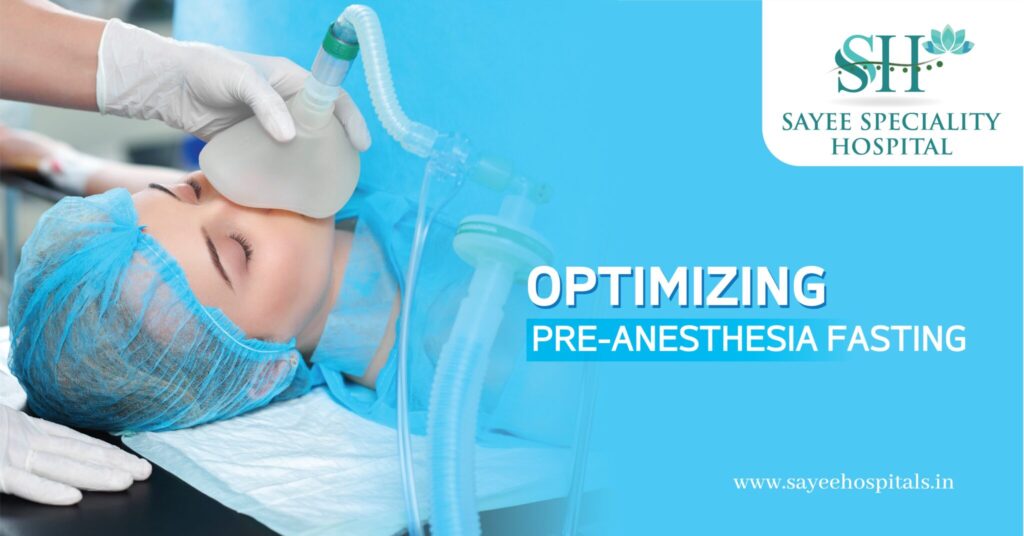
When preparing for surgery or a medical procedure that requires anesthesia or sedation, it’s common practice to fast beforehand. But do you know why? The primary goal of fasting is to reduce the risk of perioperative regurgitation, which can lead to aspiration syndrome. This condition can result in chemical pneumonitis, bacterial pneumonia, or even airway obstruction, depending on whether foreign materials like food or gastrointestinal fluids, such as gastric acid and bile, end up in the lungs. In severe cases, patients may require treatment in critical care units.
Here are some recommendations to guide your fasting:
- For adults undergoing elective procedures, limited solid food is permissible up to six hours before anesthesia, while clear fluids such as water, pulp-free fruit juice and coconut water can be consumed up to two hours before anesthesia.
- Children over six months old can have limited solid food or formula up to six hours before anesthesia, breast milk up to four hours before, and clear fluids up to one hour before anesthesia.
- Infants under six months old can be given formula up to four hours before anesthesia, breast milk up to three hours before, and clear fluids up to one hour before anesthesia.
- Prescribed medications may be taken with a sip of water less than six hours before anesthesia, unless otherwise directed.
- If you’re currently prescribed medications for conditions like high blood pressure, diabetes or heart disease, take these medications only and only after consulting your anesthetist.
- If you use asthma inhalers, there’s no need to change your routine; continue using them as usual.
- If you take medications for heartburn or ulcers, unless directed otherwise by your healthcare provider, keep taking them.
Patients at increased risk of gastric regurgitation will be administered medications like H2 antagonists, proton pump inhibitors, or other agents that decrease gastric secretion and acidity.
It’s important to note that this fasting guideline may not apply to certain patient groups at higher risk of perioperative regurgitation or vomiting. This includes patients undergoing emergency procedures, those with known or suspected delayed gastric emptying or esophageal motility disorders, and obstetric patients in labor. Patients who have undergone bariatric surgery, especially those with adjustable gastric bands, should also be cautious.
Ultimately, your healthcare provider will exercise discretion to determine the best fasting approach based on your individual circumstances, weighing fasting times against the risk of aspiration. In some cases, they may opt to delay the procedure or use airway protective measures to further minimize the risk of regurgitation.