Almost everyone deals with lower back pain at some point – it’s one of the most common reasons people end up seeing a doctor, and one of the leading causes of missed work and limited mobility worldwide. Sometimes it shows up after a weekend of gardening or an awkward lift; other times it creeps in gradually, with no obvious trigger at all. Either way, it can range from a dull ache that’s annoying but manageable to pain sharp enough to make walking, sitting, or sleeping genuinely difficult.
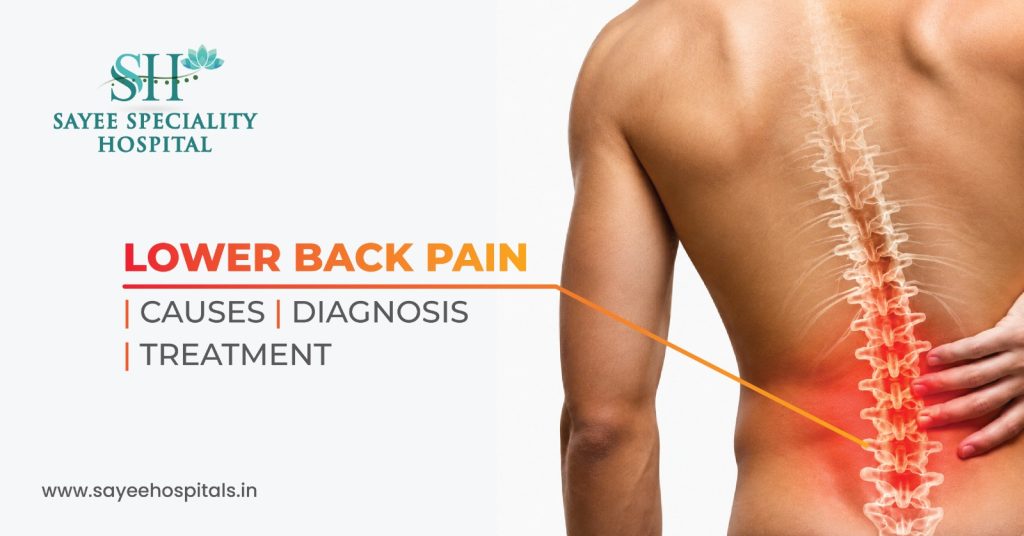
The lumbar spine – the lower section of the back – does a lot of heavy lifting, literally. It supports most of your upper body weight, helps maintain balance, and absorbs a fair amount of everyday stress from bending, twisting, and sitting. That constant workload is exactly why it’s so prone to strain, and why lower back pain is something almost everyone experiences at least once.
What Lower Back Pain Actually Feels Like
Symptoms can come on suddenly – a sharp twinge after lifting something the wrong way – or build up slowly over weeks. Common signs include a dull ache or sharp pain in the lower back, stiffness that makes it hard to bend or twist, muscle spasms, and a noticeably reduced range of motion. In some cases, the pain doesn’t stay put – it radiates down into the buttocks or legs, a pattern known as sciatica, which usually points to a nerve being compressed or irritated somewhere along its path.
What’s Actually Causing It
Because the lumbar spine carries so much of the body’s weight and movement, there’s a fairly long list of things that can go wrong with it. The most common by far is a simple muscle strain or ligament sprain – the kind of injury that happens from improper lifting technique, a sudden twist, or even something as ordinary as a hard cough or sneeze at the wrong moment.
Disc-related issues are another major category. The discs that cushion the vertebrae can bulge, herniate, or simply degenerate with age, and when they do, they can press against nearby spinal nerves – which is often what’s behind that radiating leg pain people describe as sciatica.
Beyond soft tissue and discs, there are structural and bone-related conditions to consider: spinal stenosis (narrowing of the spinal canal), scoliosis, spondylolisthesis (where one vertebra slips forward over another), spinal fractures, and osteoarthritis affecting the joints of the spine. These tend to develop more gradually and are more common as people get older.
It’s also worth remembering that not every case of lower back pain has a structural cause. Menstrual cramps, pregnancy, and back labor can all produce genuine lower back discomfort that has nothing to do with the spine’s structure and everything to do with what the body is going through at that particular time.
A handful of factors make some people more prone to back pain than others: being over 30, carrying excess body weight, having weak core muscles, living a largely sedentary lifestyle, smoking, and working in a job that involves regular heavy lifting all raise the odds of developing lower back pain at some point.
How Doctors Figure Out What’s Going On
Diagnosis usually starts with the basics – a physical exam and a detailed history of when the pain started, what makes it better or worse, and whether it’s spreading anywhere else. From there, depending on what the initial exam suggests, a doctor might order:
- Imaging – X-rays, MRIs, or CT scans to get a clear picture of the bones, soft tissue, and discs
- Electromyography (EMG) – to check whether nerves are being affected and how significantly
- Blood or urine tests – to rule out underlying inflammatory conditions, infections, or something like kidney stones, which can sometimes mimic back pain
Treatment – What Actually Helps
The good news is that most mild to moderate lower back pain resolves on its own with some combination of rest, ice, and over-the-counter pain relievers. One thing worth knowing: staying completely still for too long isn’t actually the best strategy. Gently resuming normal activity after a short initial rest period promotes blood flow to the area and tends to speed up healing rather than slow it down.
For pain that’s more persistent or severe, treatment options step up accordingly. Medications like NSAIDs, prescription pain relievers, or muscle relaxants can help manage acute flare-ups. Physical therapy is often the real turning point for longer-term relief – targeted exercises to strengthen the core, improve flexibility, and correct posture address the underlying mechanics rather than just masking the pain, and this is sometimes paired with chiropractic adjustments or massage therapy.
When conservative treatment isn’t enough, more targeted interventions come into play – lumbar epidural steroid injections to reduce inflammation around an irritated nerve, or in cases involving significant structural problems, minimally invasive surgery to repair or stabilise the affected area.
Prevention, as usual, comes down to a handful of consistent habits: maintaining a healthy weight to reduce load on the spine, using proper lifting mechanics (bending at the knees and lifting with the legs rather than the back), warming up before exercise, and building core strength, since a strong core takes a meaningful amount of pressure off the lower back during everyday movement.
When to Stop Waiting and Get Checked Immediately
Most lower back pain isn’t an emergency, but certain symptoms alongside it absolutely are. Seek urgent medical evaluation if back pain comes with leg weakness or numbness, difficulty controlling bowel or bladder function, fever, severe abdominal pain, or unexplained weight loss. These can point to something more serious than a simple strain – nerve compression severe enough to cause lasting damage, an infection, or another underlying condition that needs prompt attention rather than a wait-and-see approach.
For everything short of those red flags, lower back pain is one of the most common, most treatable conditions out there – and for most people, a bit of rest, the right movement, and some patience is genuinely enough to get back to normal.