

Sacroiliac Joint Pain: Causes, Diagnosis, And Treatment
Sacroiliac Joint Pain: Causes, Diagnosis, And Treatment The sacroiliac (SI) joint plays a crucial role in linking the iliac bones (pelvis) to the sacrum, the lowest part of the spine just above the tailbone. It helps absorb shock, preventing excessive impact on the spine. However, this joint can also be a common source of lower back pain when injured or affected by degeneration. Symptoms of SI Joint Dysfunction When the SI joint becomes problematic, it can lead to localized pain and discomfort in multiple areas, including: Lower back pain (below the L5 vertebra) Pelvis, hip, and buttock pain Pain in the thigh or groin Numbness, tingling, or weakness in the legs Difficulty sitting for long periods or discomfort on one side Pain during transitional movements (e.g., from sitting to standing) Sleep disturbances due to discomfort Leg instability or sudden “giving way” sensation Diagnosing SI Joint Disorders Diagnosing SI joint dysfunction can be challenging, as its symptoms often mimic those of disc-related or general lower back pain. To confirm whether the SI joint is the source of discomfort, doctors may use: Physical examination tests Imaging scans (X-ray, CT scan, MRI) Diagnostic injections – A local anesthetic is injected into the SI joint under X-ray or CT guidance. If pain is reduced by at least 50%, the SI joint is likely the cause. If there’s no change in pain levels, other causes must be considered. Treatment Approaches Once the SI joint is identified as the pain source, treatment can begin. Conservative options include: Physical therapy to strengthen muscles and improve mobility Oral medications to reduce inflammation and pain Injections for temporary relief If these treatments provide only short-term relief, more advanced options may be necessary. Minimally Invasive SI Joint Fusion For patients with persistent pain, SI joint fusion using the cannulated cancellous screws may be recommended. By understanding SI joint dysfunction, its symptoms, and available treatments, patients can take informed steps toward effective pain management and improved mobility. Recent Posts Sacroiliac Joint Pain: Causes, Diagnosis, And Treatment Safe And Effective Exercises During Pregnancy Staying active throughout pregnancy offers a range of benefits… Safe And Effective Exercises During Pregnancy Safe And Effective Exercises During Pregnancy Staying active throughout pregnancy offers a range of benefits… Non-Surgical Solutions For Joint Pain And Mobility Non-Surgical Solutions For Joint Pain And Mobility Joint pain and injuries affect many individuals, but… Ice Vs. Heat: The Best Choice For Pain Relief Ice Vs. Heat: The Best Choice For Pain Relief At some point, almost everyone experiences…
Safe And Effective Exercises During Pregnancy
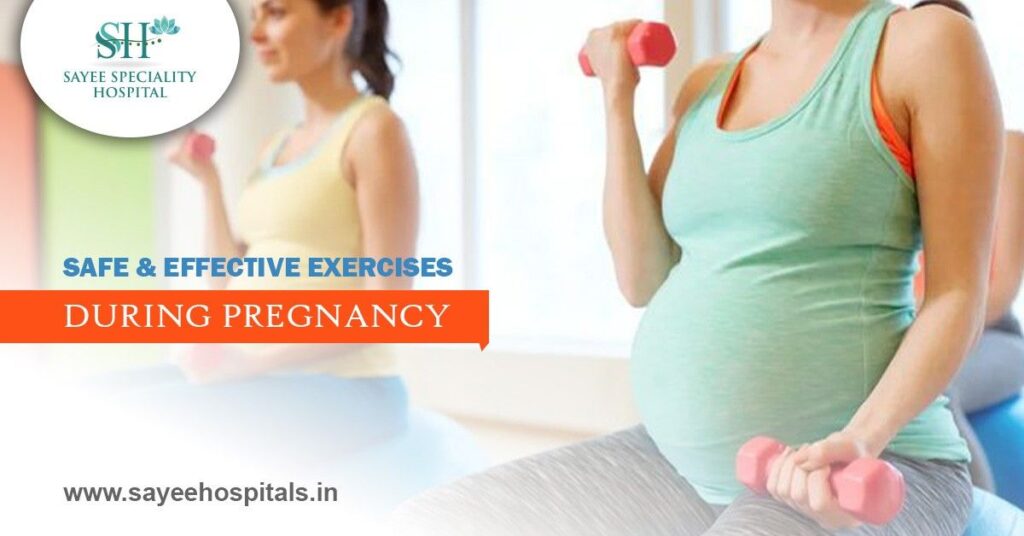
Safe And Effective Exercises During Pregnancy Staying active throughout pregnancy offers a range of benefits for both mother and baby. Regular exercise helps improve sleep quality, boosts circulation, enhances posture, releases endorphins, promotes overall well-being, and supports a healthy weight. It can also lower the risk of gestational diabetes and high blood pressure while preparing the body for childbirth. Indulge in at least 30 minutes of moderate exercise most days of the week unless medical concerns prevent it. Always consult a doctor before starting a new workout routine. Best Exercises for Each Trimester Walking Swimming Stationary cycling Low-impact activities like yoga and dance Strengthening the Pelvis and Lower Back Kegel Exercises Strengthen the pelvic floor muscles for childbirth and postpartum recovery. Contract the muscles as if stopping urine flow, hold for 3–5 seconds, then relax. Perform 10 repetitions, syncing with breath if comfortable. Pelvic Tilts In the first trimester, perform lying down; in later trimesters, try sitting or standing. Contract abdominal muscles while exhaling, tilting the pelvis upward. Hold for 3–5 seconds and repeat 10 times. Quadruped Cat Stretch Start on hands and knees, arch the back upward while tucking the chin. Hold for 10–15 seconds and return to the neutral position. Perform 10 repetitions. Bird Dog Extend one arm and the opposite leg while keeping the spine straight. Hold for 3–5 seconds, then switch sides. Perform 10 repetitions. Squats Stand with feet shoulder-width apart, lower hips as if sitting in a chair. Ensure knees don’t extend past toes. Perform 10 repetitions. Resisted Side Steps & Kickbacks (with or without a resistance band) Take 10 side steps in each direction. Perform 10 small backward kicks with each leg. Side-Lying Leg Raises Lie on one side, keeping shoulders, hips, and ankles aligned. Raise the top leg to a 45-degree angle, then lower. Perform 10 repetitions on each side. Exercise Safety Tips During Pregnancy Avoid lying flat on your back after the first trimester to prevent decrease in blood flow to the uterus. Exercise in a stable environment to reduce fall risks due to shifting balance. Wear supportive footwear. Stay hydrated and avoid overheating. Never push to exhaustion—slow down or take breaks if you struggle to talk during workouts. By following these guidelines, staying active can be a safe and effective way to support a healthy pregnancy. Recent Posts Influenza In Children: Causes, Symptoms, And Prevention Influenza In Children: Causes, Symptoms, And Prevention Influenza, commonly known as the flu, is a… Sacroiliac Joint Pain: Causes, Diagnosis, And Treatment Sacroiliac Joint Pain: Causes, Diagnosis, And Treatment The sacroiliac (SI) joint plays a crucial role… Safe And Effective Exercises During Pregnancy safe and effective exercises Safe And Effective Exercises During Pregnancy Staying active throughout pregnancy offers… Non-Surgical Solutions For Joint Pain And Mobility Non-Surgical Solutions For Joint Pain And Mobility Joint pain and injuries affect many individuals, but…
Non-Surgical Solutions For Joint Pain And Mobility
Non-Surgical Solutions For Joint Pain And Mobility Joint pain and injuries affect many individuals, but surgery is not always the only option. A range of non-surgical treatments can help reduce pain, improve mobility, and restore daily function. These treatments are particularly beneficial for those who are not ideal candidates for joint replacement due to health conditions or early-stage arthritis. Customized Non-Surgical Treatment Plans Orthopedic specialists tailor treatment plans based on individual needs. One of the most common approaches is joint injections, which can help alleviate pain and inflammation. These may include: Viscosupplementation (Hyaluronic Acid) Injections – Improve joint lubrication and reduce stiffness in conditions like osteoarthritis. Platelet-Rich Plasma (PRP) Injections – Use the body’s own platelets to stimulate tissue healing and repair. Cortisone Injections – Reduce inflammation and provide relief for conditions like arthritis, tendonitis, and shoulder pain The Role of Ultrasound in Precision Treatment Ultrasound technology plays a crucial role in guiding injections with accuracy. Unlike X-rays or MRIs, ultrasound does not use radiation. Instead, it provides real-time imaging to ensure the medication is delivered precisely to the affected area. This improves treatment effectiveness and minimizes the risk of misplacement. Steroid Injections for Immediate Pain Relief Steroid injections, also known as cortisone shots, are often used when pain and inflammation significantly impact daily activities. These injections mimic cortisol, a natural hormone, to reduce swelling and discomfort. They can be administered in large joints such as the knee and shoulder or smaller areas like the hand and ankle. The Benefits of PRP Therapy PRP therapy involves drawing a small amount of the patient’s blood, separating the platelets, and injecting the concentrated solution into the affected joint. This approach may encourage tissue healing and is used to treat conditions like arthritis, ligament sprains, and muscle strains. The entire procedure takes about 30 minutes and offers a potential alternative for those seeking regenerative treatments. Comprehensive Non-Surgical Approaches Beyond injections, other treatments can help manage joint pain and improve mobility: Physical Therapy – Strengthens muscles, improves joint function, and prevents further injury. Occupational Therapy – Focuses on improving daily activities and movement. Lifestyle Modifications – Includes weight management, low-impact exercise, and dietary changes. With a combination of these treatments, individuals can experience long-term pain relief and enhanced mobility without the need for surgery. Recent Posts Non-Surgical Solutions For Joint Pain And Mobility Ice Vs. Heat: The Best Choice For Pain Relief At some point, almost everyone experiences… Ice Vs. Heat: The Best Choice For Pain Relief Ice Vs. Heat: The Best Choice For Pain Relief At some point, almost everyone experiences… Bruxism: Causes, Symptoms, And Effective Treatments Bruxism: Causes, Symptoms, And Effective Treatments Waking up with a sore jaw, headache, or neck… Understanding And Managing Newborn Hiccups Understanding And Managing Newborn Hiccups Newborn hiccups are a common occurrence, particularly in babies under…
Ice Vs. Heat: The Best Choice For Pain Relief

Ice Vs. Heat: The Best Choice For Pain Relief At some point, almost everyone experiences muscle strain or ligament irritation. The pain can disrupt daily life, making effective relief essential. But should you use ice or heat? Understanding Inflammation Inflammation is the body’s natural response to injury. It brings fluid and healing components to the affected area, but the swelling also creates pressure, leading to pain. For instance, a sprained ankle swells as the body sends extra fluid to aid healing. In orthopaedics, inflammation is managed through rest, compression, elevation, massage, medication, or injections. Ice or Heat: Which is Better? In most cases, ice is more effective than heat for reducing pain and inflammation. While heat provides temporary comfort, it can increase swelling. Ice, on the other hand, constricts blood vessels, limiting inflammation and easing pain. When to Use Ice Ideal for recent injuries, post-surgery, or acute pain. Best applied for 20 minutes at a time with at least 30 minutes between sessions. Use a cold compress or ice pack at melting ice cube temperature, with a thin towel to protect the skin. Over-icing can cause reactive vasodilation, where blood vessels widen again, increasing inflammation. Despite common advice to use heat for chronic conditions like tendonitis or osteoarthritis, ice can still be beneficial. Regular icing can work as well as medication by controlling inflammation and reducing pain. When to Use Heat Works best for large muscle groups, like the back, neck, quads, hamstrings, and calves. Useful for muscle spasms (except after a new injury). Apply moist heat or a heating pad for 15 minutes, then wait at least 30 minutes before reapplying. Combining Ice & Heat For advanced pain management, alternate between ice and heat. Ice for 20 minutes to constrict blood vessels, then apply heat for 15 minutes to promote circulation. Always end with ice (except for chronic back spasms) to prevent inflammation from returning. Used correctly, ice and heat provide effective pain relief. Recent Posts Ice Vs. Heat: The Best Choice For Pain Relief Bruxism: Causes, Symptoms, And Effective Treatments Waking up with a sore jaw, headache, or neck… Bruxism: Causes, Symptoms, And Effective Treatments Bruxism: Causes, Symptoms, And Effective Treatments Waking up with a sore jaw, headache, or neck… Understanding And Managing Newborn Hiccups Understanding And Managing Newborn Hiccups Newborn hiccups are a common occurrence, particularly in babies under… Essential Nutrients And Supplements For A Healthy Pregnancy Essential Nutrients And Supplements For A Healthy Pregnancy A well-balanced diet is the foundation of…
Bruxism: Causes, Symptoms, And Effective Treatments

Bruxism: Causes, Symptoms, And Effective Treatments Waking up with a sore jaw, headache, or neck pain after a seemingly restful night may be a sign of bruxism, a condition where individuals unconsciously grind their teeth or clench their jaw during sleep. It affects nearly 1 in 10 adults, 15% of adolescents, and up to 50% of children, often leading to chronic discomfort and potential dental issues. Causes of Teeth Grinding and Clenching Bruxism is commonly linked to several physical and emotional factors, including: Stress, anxiety, and depression – Emotional distress often triggers unconscious jaw clenching. Sleep disorders – Conditions like sleep apnea and snoring are associated with nighttime teeth grinding. Lifestyle factors – Excessive caffeine intake, alcohol consumption, smoking, and dehydration can contribute to bruxism. Dental issues – Misaligned teeth can cause an imbalance, leading to grinding. Genetics – Some people inherit a tendency for bruxism. Changes in sleep habits – Altered sleep patterns may increase the risk. Allergies – Congestion from allergies may lead to mouth breathing and jaw tension. Symptoms of Bruxism Bruxism can cause several painful and uncomfortable symptoms, including: Frequent headaches and earaches Jaw pain and stiffness Sensitive or worn-down teeth Sore gums and fractured teeth Neck pain and facial discomfort Clicking sounds in the jaw when eating or talking Fatigue from disrupted sleep Effective Remedies for Teeth Grinding Managing bruxism requires addressing both its symptoms and underlying causes. Some first-line remedies include: Stress management – Relaxation techniques such as deep breathing, meditation, or yoga can help reduce teeth clenching. Mouthguards – Wearing a custom-fit mouthguard at night protects teeth from damage. Correcting misalignment – Braces may help reposition teeth and relieve strain. Proper sleep posture – Sleeping on the side or back can reduce pressure on the jaw. Regular dental checkups – Early detection prevents further complications. Jaw therapy and massage – Physical therapy, heat therapy, and acupuncture provide relief. Advanced Treatment Options For severe cases, additional treatments may be necessary, such as: Muscle relaxants or pain medications to ease jaw tension. Botox injections to relax the jaw muscles. Fluoroscopic or ultrasound-guided injections for targeted pain relief. Transcutaneous Electrical Nerve Stimulation (TENS) to improve muscle function. Bruxism can lead to serious dental and health complications if left untreated. Identifying its causes and following an effective treatment plan can significantly reduce pain and improve overall well-being. Recent Posts Bruxism: Causes, Symptoms, And Effective Treatments Understanding And Managing Newborn Hiccups Newborn hiccups are a common occurrence, particularly in babies under… Understanding And Managing Newborn Hiccups Understanding And Managing Newborn Hiccups Newborn hiccups are a common occurrence, particularly in babies under… Essential Nutrients And Supplements For A Healthy Pregnancy Essential Nutrients And Supplements For A Healthy Pregnancy A well-balanced diet is the foundation of… Types Of Pain Types Of Pain Pain can be classified into two primary types: neuropathic pain and nociceptive…
Understanding And Managing Newborn Hiccups

Understanding And Managing Newborn Hiccups Newborn hiccups are a common occurrence, particularly in babies under 12 months, and are generally not a cause for concern. While the reason behind these hiccups isn’t entirely understood, research suggests that they may actually play a role in promoting brain development and respiratory functions. Hiccups in newborns happen due to spasms in the diaphragm, the muscle that aids in breathing. These spasms cause the vocal cords to close suddenly, producing the familiar “hic” sound. While there are many causes, certain feeding behaviors can trigger these spasms. Overfeeding, eating too quickly, or swallowing air while feeding are common culprits. These actions cause the baby’s tummy to expand, pressing against the diaphragm, leading to hiccups. Although hiccups often do not bother babies, frequent occurrences may be linked to underlying conditions like gastroesophageal reflux disease (GERD). GERD occurs when partially digested food and stomach acid flow back into the food pipe, which can irritate the diaphragm and trigger hiccups. Parents should look out for other symptoms of GERD, such as coughing, spitting up, crying during feeds, or arching the back. If your baby experiences hiccups, there are several ways to help them. First, allow the hiccups to run their course, as most episodes are brief and harmless, lasting only 5-10 minutes. If your baby seems uncomfortable or the hiccups persist, consider burping your baby more frequently during feeds. Burping helps release trapped air from the stomach, which can reduce diaphragm spasms. Massaging or gently rubbing your baby’s back in circular motions can also help relax the diaphragm and relieve hiccups. There are some practices that should be avoided, such as startling your baby, making them jump, or using extreme methods like holding them upside down. These can cause distress and are unlikely to stop the hiccups. To minimize hiccups, feed your baby calmly and try smaller, more frequent meals. After feeding, keep your baby upright for about 20-30 minutes to aid digestion and reduce hiccups. If hiccups become excessive or are accompanied by other distressing symptoms, it’s important to seek medical advice. In most cases, newborn hiccups are harmless and part of the normal developmental process. However, being mindful of potential underlying causes and seeking advice when needed can help ensure your baby’s comfort and health. Recent Posts Understanding And Managing Newborn Hiccups Essential Nutrients And Supplements For A Healthy Pregnancy A well-balanced diet is the foundation of… Essential Nutrients And Supplements For A Healthy Pregnancy Essential Nutrients And Supplements For A Healthy Pregnancy A well-balanced diet is the foundation of… Types Of Pain Types Of Pain Pain can be classified into two primary types: neuropathic pain and nociceptive… Pilon Fracture Pilon Fracture A pilon fracture is a specific break in the lower shinbone (tibia) near…
Essential Nutrients And Supplements For A Healthy Pregnancy

Essential Nutrients And Supplements For A Healthy Pregnancy A well-balanced diet is the foundation of a healthy pregnancy, ensuring both the mother’s well-being and the baby’s proper growth and development. Proper maternal nutrition provides essential vitamins and minerals that support fetal development, prevent complications, and promote overall health. Deficiencies in critical nutrients can lead to birth defects, low birth weight, and other health concerns, making it crucial for expectant mothers to focus on a nutrient-rich diet and, when necessary, safe supplementation. Vital Vitamins and Minerals for Pregnancy Prenatal vitamins and essential minerals play a significant role in ensuring a smooth pregnancy and a healthy baby. Some of the most important nutrients include: Folate (Folic Acid) – Prevents neural tube defects affecting the brain and spinal cord. Essential for early fetal development. Iron – Supports red blood cell production, prevents anemia, and reduces the risk of low birth weight. Calcium – Strengthens fetal bones and teeth while preventing maternal bone loss. Vitamin D and B12 – Aid in nervous system development and skeletal growth. Iodine – Supports thyroid function and plays a crucial role in brain development. Omega-3 Fatty Acids (DHA & EPA) – Essential for brain and eye development and reduces the risk of premature birth. Choline – Supports brain development and reduces the risk of neural tube defects. Are Supplements Safe During Pregnancy? While prenatal vitamins and medically prescribed supplements provide vital nutrients, not all dietary supplements are safe during pregnancy. Herbal supplements, high doses of certain vitamins, and unregulated products can pose risks to fetal development. For instance, excessive iodine intake can lead to thyroid imbalances, while some herbal supplements may cause complications. It is always advisable to seek professional medical guidance before taking any supplement to ensure safety and effectiveness. Ensuring a healthy pregnancy starts with a nutrient-rich diet and proper prenatal care. While supplements can help fill nutritional gaps, they should only be taken under medical supervision. Expectant mothers should consult their doctor to determine the best approach to meeting their nutritional needs. For expert guidance and personalized prenatal care, visiting a trusted healthcare provider is essential in safeguarding both maternal and fetal health. Recent Posts Essential Nutrients And Supplements For A Healthy Pregnancy Types Of Pain Pain can be classified into two primary types: neuropathic pain and nociceptive… Types Of Pain Types Of Pain Pain can be classified into two primary types: neuropathic pain and nociceptive… Pilon Fracture Pilon Fracture A pilon fracture is a specific break in the lower shinbone (tibia) near… Coping With Morning Sickness: A Guide For Expectant Mothers Coping With Morning Sickness: A Guide For Expectant Mothers Morning sickness is one of the…
Types Of Pain
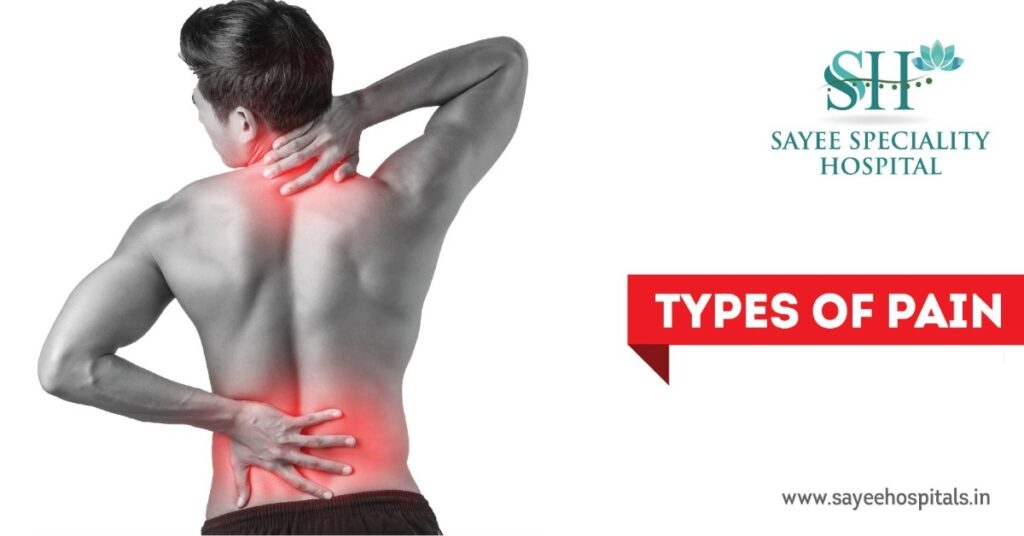
Types Of Pain Pain can be classified into two primary types: neuropathic pain and nociceptive pain. These types of pain are distinguished by their causes and how they affect the body. Neuropathic Pain Neuropathic pain originates from the nerves or nervous system. It often results from nerve damage or diseases like sciatica or conditions caused by a bulging or slipped disc. Neuropathic pain can be persistent, sometimes lasting longer than nociceptive pain, and is often described as sharp, burning, or tingling. Nociceptive Pain Nociceptive pain is more common and arises from damage to the body’s tissues, such as muscles, bones, or organs. This pain is often caused by injuries like bruises, sprains, fractures, or conditions such as arthritis. Nociceptive pain can vary in intensity, from dull, throbbing aches to sharp, sudden cramps. It can be either chronic or recurring, depending on the cause. Pain Mechanism Pain is triggered when receptor neurons in tissues like the skin, muscles, joints, bones, or organs detect harmful stimuli. These stimuli can be mechanical (pressure), chemical (irritants), or thermal (temperature). The receptors transmit signals to the brain, which interprets them as pain. For example, if something hot presses against your skin, the nociceptive receptors sense both heat and mechanical pressure, resulting in pain. Treatment Options Treatment for both types of pain focuses on relieving symptoms and treating the root cause. Options include: Over-the-counter pain relievers – to reduce pain and inflammation Therapeutic massage – to ease muscle tension and promote circulation Physical therapy – to strengthen muscles and improve flexibility Occupational therapy – to help with daily activities Pain-relieving injections – to reduce inflammation and manage pain Laser or energy therapies – for targeted pain relief Managing Chronic Pain Acute pain from injuries usually resolves within weeks. However, chronic pain, such as that caused by arthritis or degenerative conditions, can last longer and may require ongoing treatment. Managing nociceptive pain often involves a combination of therapies to effectively reduce symptoms and improve quality of life. Recent Posts Types Of Pain Types Of Pain Pain can be classified into two primary types: neuropathic pain and nociceptive… Pilon Fracture Pilon Fracture A pilon fracture is a specific break in the lower shinbone (tibia) near… Coping With Morning Sickness: A Guide For Expectant Mothers Coping With Morning Sickness: A Guide For Expectant Mothers Morning sickness is one of the… Finding Relief From Chronic Pain: When To Seek Help Finding Relief From Chronic Pain: When To Seek Help Living with chronic pain can feel…
Pilon Fracture
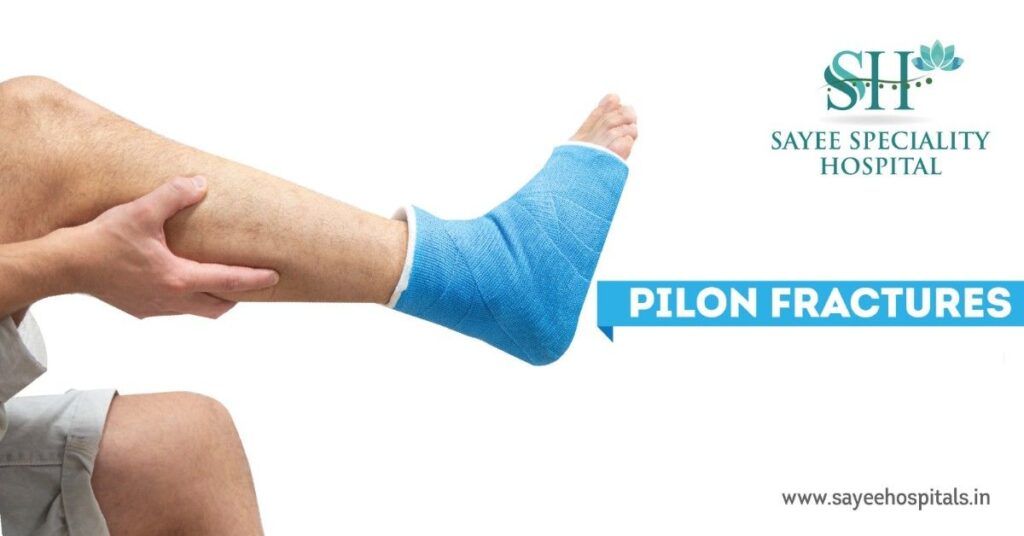
Pilon Fracture A pilon fracture is a specific break in the lower shinbone (tibia) near the ankle joint, often involving multiple bone fragments. In some cases, the smaller fibula bone also breaks. These fractures are typically complex fractures and require specialized treatment due to their complexity. Causes of Pilon Fractures Pilon fractures often result from high-energy impacts. Falls from a height, such as from ladders or during skiing, are common causes. Motor vehicle and pedestrian accidents can also transmit significant force to the lower leg, leading to fractures. In rare cases, severe sports injuries, like forceful landings or collisions, may cause pilon fractures. Symptoms of Pilon Fractures Symptoms include severe pain localized to the ankle, significant swelling, and bruising. Deformity of the ankle joint may be noticeable, and bearing weight on the injured leg is typically impossible. In some cases, nerve damage may cause numbness or tingling in the foot. Diagnosing Pilon Fractures Doctors diagnose pilon fractures through a combination of methods. A physical examination assesses pain, swelling, and deformity. X-rays provide a clear view of the broken bone fragments, while CT scans are used in complex cases for detailed imaging of the fracture pattern. Treatment Options Treatment depends on the severity of the fracture. Surgical intervention, such as Open Reduction and Internal Fixation (ORIF), is common for severe fractures, using plates, screws, or rods to stabilize the bone. Non-surgical options include immobilization with a cast or boot, pain management with medications, and physical therapy to restore strength and mobility. Recovery Process Recovery from a pilon fracture can take months. Immobilization in a cast or boot is required for several weeks, followed by physical therapy to rebuild strength and flexibility. Pain management is essential during the initial healing phase and therapy. Potential Complications Complications may include infections, improper bone healing (nonunion or malunion), arthritis due to cartilage damage, or chronic pain in the ankle joint. Preventing Pilon Fractures Prevention involves caution on uneven surfaces, wearing proper footwear, and engaging in balance exercises like yoga. Protective gear during sports and gradual skill development can also reduce risk. Awareness and preventive measures help avoid such severe injuries. Recent Posts Pilon Fracture Coping With Morning Sickness: A Guide For Expectant Mothers Morning sickness is one of the… Coping With Morning Sickness: A Guide For Expectant Mothers Coping With Morning Sickness: A Guide For Expectant Mothers Morning sickness is one of the… Finding Relief From Chronic Pain: When To Seek Help Finding Relief From Chronic Pain: When To Seek Help Living with chronic pain can feel… Bankart Lesion: Causes, Symptoms, Diagnosis, And Treatment Bankart Lesion: Causes, Symptoms, Diagnosis, And Treatment The shoulder joint, a ball-and-socket structure formed by…
Coping With Morning Sickness: A Guide For Expectant Mothers

Coping With Morning Sickness: A Guide For Expectant Mothers Morning sickness is one of the most common and challenging symptoms of early pregnancy. Despite its name, it can occur at any time of the day, not just in the morning. Affecting up to 80% of pregnant women, this condition usually starts around the sixth week of pregnancy and typically eases by 12 to 14 weeks. Morning sickness refers to the nausea and vomiting experienced during the first trimester of pregnancy. It is believed to be linked to rising levels of pregnancy hormones, particularly human chorionic gonadotropin (hCG) and oestrogen. For most women, it is a sign of healthy hormonal changes. However, in some cases, nausea and vomiting become severe—a condition known as Hyperemesis Gravidarum (HG). This requires medical attention as it can lead to dehydration and nutrient deficiencies. The exact cause is not fully understood, but several factors may contribute: Hormonal Changes: Higher levels of hCG and estrogen are associated with nausea. Heightened Sense of Smell: An increased sensitivity to smells may act as a protective mechanism to avoid harmful foods. Family history of morning sickness. Tendency to experience migraines or motion sickness. Presence of Helicobacter pylori, a bacteria linked to stomach ulcers. Carrying multiples, such as twins or triplets, due to elevated hormone levels. Tips for Managing Morning Sickness Keep dry snacks, like crackers, by your bedside and eat a few before getting out of bed. Get up slowly to avoid sudden movements that can worsen nausea. Avoid letting your stomach become too empty or too full, as both can trigger nausea. Focus on light, bland foods. Drink fluids between meals instead of with meals to reduce the feeling of fullness. Avoid rich, spicy, or heavily flavored dishes that may worsen symptoms. Cold or room-temperature meals, such as salads or cold meats, can be less nauseating than hot, aromatic meals. Ginger is a natural remedy for nausea. You can try ginger tea, ginger ale, or ginger tablets. Lemon can also help. Strong odors from cooking, garbage, coffee, or petrol are common triggers. Choose a protein-rich, low-glycemic snack before sleep to help maintain stable blood sugar levels overnight. Options include yoghurt, milk, or a slice of wholegrain bread. Snack Ideas to Keep Nausea at Bay Keep simple, easy-to-digest foods on hand to snack on during the day: Plain crackers, rice cakes, or corn thins. Fresh fruit. Toast or pikelets. Plain cereal or rice. Small portions of pasta. Morning sickness can feel overwhelming, but remember that it’s temporary and often a sign of a healthy pregnancy. Reach out to your healthcare provider if you’re struggling to keep food or fluids down. Recent Posts Coping With Morning Sickness: A Guide For Expectant Mothers Bankart Lesion: Causes, Symptoms, Diagnosis, And Treatment The shoulder joint, a ball-and-socket structure formed by… Finding Relief From Chronic Pain: When To Seek Help Finding Relief From Chronic Pain: When To Seek Help Living with chronic pain can feel… Bankart Lesion: Causes, Symptoms, Diagnosis, And Treatment Bankart Lesion: Causes, Symptoms, Diagnosis, And Treatment The shoulder joint, a ball-and-socket structure formed by… Understanding Kidney Stones During Pregnancy Understanding Kidney Stones During Pregnancy Pregnancy can bring about many health changes, and one potential…