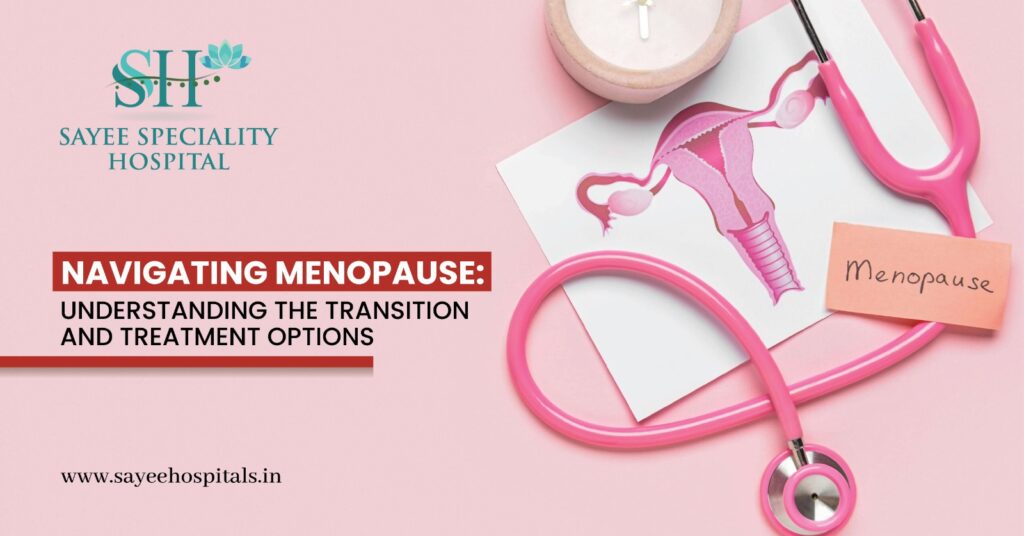
Menopause marks the cessation of menstrual cycles, typically diagnosed after 12 consecutive months without a period. It commonly occurs in a woman’s late 40s or early 50s. This natural biological process, however, brings about various physical and emotional symptoms that can impact daily life.
Symptoms and Causes:
Menopause may manifest with irregular periods, vaginal dryness, hot flushes, chills, night sweats, sleep disturbances, mood changes, weight gain, thinning hair, and loss of breast fullness.
Menopause results from declining reproductive hormones, particularly estrogen and progesterone, as women age. Surgical interventions such as oophorectomy or hysterectomy,
cancer therapies like chemotherapy or radiation, and primary ovarian insufficiency can also induce menopause.
Complications:
- Cardiovascular Disease: Decreased estrogen levels elevate the risk of heart and blood vessel diseases, necessitating lifestyle modifications and regular monitoring.
- Osteoporosis: Postmenopausal bone density loss increases the risk of fractures, emphasizing the importance of preventive measures.
- Urinary Incontinence: Vaginal and urethral tissue changes contribute to urinary symptoms, requiring pelvic floor exercises and possibly hormone therapy.
- Sexual Function: Vaginal dryness and decreased sensation may affect sexual activity, with treatments including vaginal moisturizers, lubricants, and local estrogen therapy.
- Weight Gain: Metabolic changes during menopause may lead to weight gain, necessitating dietary adjustments and regular exercise.
Diagnosis and Treatment:
Menopause is typically diagnosed based on symptoms, with blood tests to measure follicle- stimulating hormone (FSH), estrogen, and thyroid-stimulating hormone (TSH) levels in certain cases.
While menopause itself requires no medical intervention, treatments focus on alleviating symptoms and managing associated conditions. Options include hormone therapy (estrogen or estrogen-progestin combinations), vaginal estrogen, low-dose antidepressants, gabapentin, and medications for osteoporosis prevention or treatment.
Navigating menopause involves understanding its symptoms, causes, complications, and available treatments. With proper management and support, women can embrace this life stage with confidence and maintain their overall health and well-being.