Multispecialty Hospital in Padappai | Sayee Specialty Hospital

Project Timeline
Services
Get an Appointment
Advanced CT Scan Services in Padappai, Chennai - Precise Diagnosis. Available 24/7.
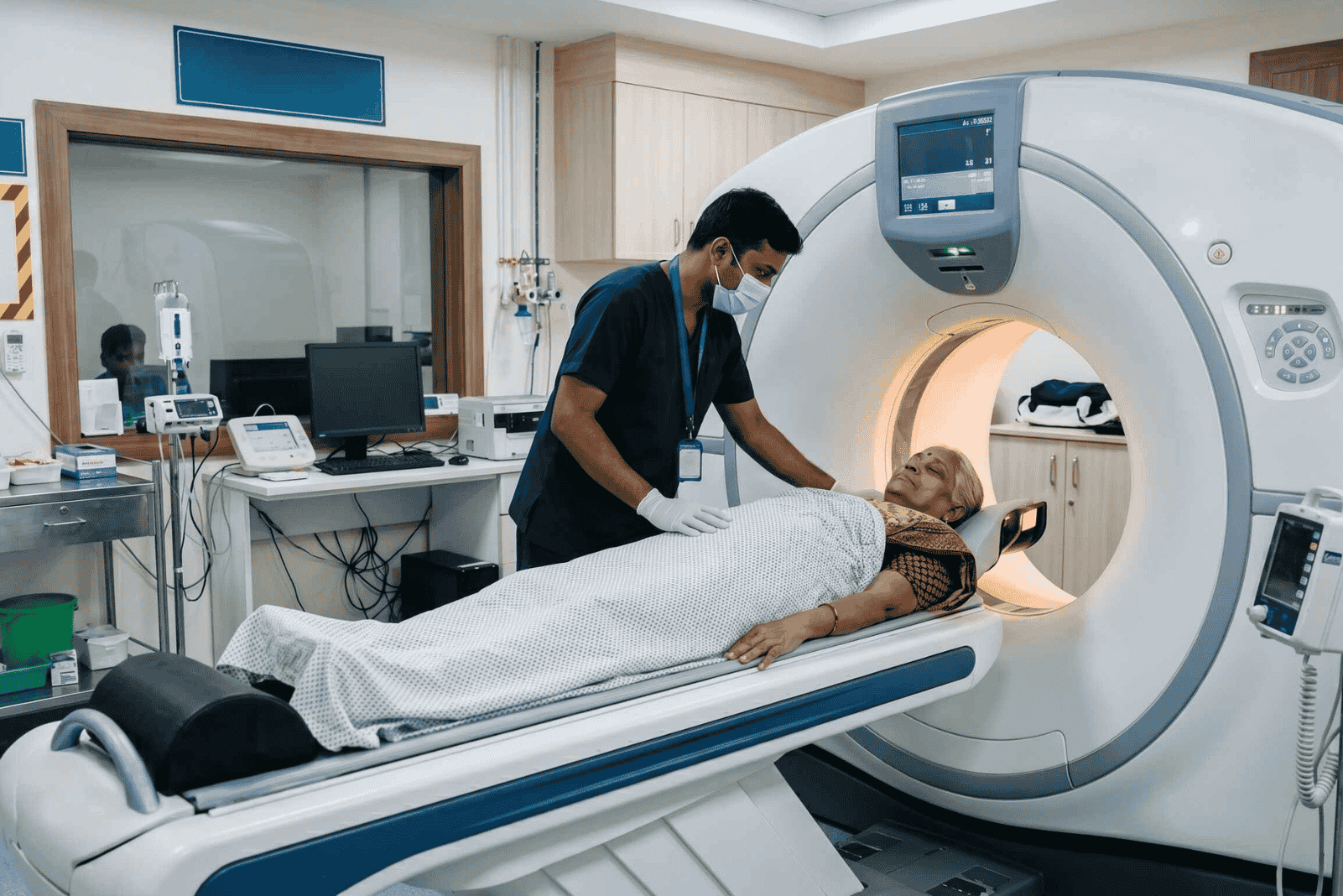
Sayee Specialty Hospital provides comprehensive CT scan diagnostic services at its state-of-the-art imaging unit located within the hospital premises in Padappai, Chennai. Our facility is equipped with a modern Computed Tomography scanner operated by qualified radiographers and reported by experienced radiologists certified in diagnostic imaging.
As a NABH-accredited hospital, Sayee maintains strict quality and radiation safety standards across all diagnostic procedures. Patients from Padappai, Chromepet and the wider south Chennai region are served through both scheduled appointments and 24 hour emergency imaging services.
Whether referred by a specialist within our hospital or by an external physician, patients receive accurate, timely CT scan reports supported by clinical expertise without the delays of an off-site diagnostic centre.
What Is a CT Scan? Understanding the Procedure
Computed Tomography, commonly referred to as a CT scan, is a non-invasive diagnostic imaging technique that employs a series of X-ray measurements taken from multiple angles around the body. These measurements are processed by an advanced computer system to generate detailed cross-sectional images referred to as ‘slices’ of internal organs, bones, blood vessels, and soft tissues.
Unlike a conventional X-ray, which produces a single two – dimensional image, a CT scan provides layered views that enable physicians to examine internal structures with considerably greater clarity and precision. This level of detail is essential for accurate diagnosis of conditions ranging from trauma and infection to tumours and vascular disease.
The procedure itself is non-surgical and causes no discomfort. The patient lies on a motorised examination table that moves slowly through a large, ring-shaped gantry housing the scanning equipment. The process generates no audible noise beyond a mild mechanical hum and is completed within 5 to 15 minutes in most cases. There is no requirement for an injection unless a contrast-enhanced study has been specifically requested by the referring physician.
CT Scan Types Offered at Sayee Hospital and Conditions They Diagnose
Sayee Specialty Hospital’s CT unit supports diagnostic requirements across multiple clinical departments including Neurology, Orthopaedics, Cardiology, Pulmonology, Gastroenterology, Nephrology, and the 24-hour Emergency and Critical Care unit. The following scan categories are available at our facility:
1. CT Brain and Head
CT imaging of the brain and cranial region is among the most time-sensitive diagnostic procedures in emergency medicine. At Sayee, our CT unit is directly accessible from the Emergency department, enabling rapid stroke assessment and trauma evaluation.
- Ischaemic and haemorrhagic stroke immediate CT imaging is the clinical standard for differentiating stroke type and guiding treatment decisions
- Traumatic brain injury, intracranial haemorrhage, and skull base fractures
- Intracranial tumours, space-occupying lesions, and unexplained neurological deficits
- Hydrocephalus, cerebral oedema, and post-operative surveillance
- Facial fractures, orbital injuries, and complex paranasal sinus pathology
2. CT Chest and Thorax
CT of the chest provides far greater diagnostic information than a plain chest X-ray, particularly for evaluation of the lungs, mediastinum, and pleural cavity.
- Pulmonary embolism CT Pulmonary Angiography (CTPA) is the gold standard investigation
- Community-acquired pneumonia, lung abscess, and pulmonary tuberculosis assessment
- Pulmonary nodules, masses, and early-stage abnormalities requiring further characterisation
- Pleural effusion, pneumothorax, and mediastinal pathology
- Post-COVID pulmonary sequelae and interstitial lung disease evaluation
- Rib fractures and thoracic cage injuries following trauma
3. CT Abdomen and Pelvis
Abdominal CT scanning is a core tool in the evaluation of acute and chronic abdominal conditions, frequently reducing the need for exploratory surgical procedures.
- Urolithiasis (kidney stones and ureteric calculi) CT KUB is the most sensitive modality for stone detection
- Acute appendicitis – CT provides definitive diagnosis when clinical and ultrasound findings are inconclusive
- Hepatic, pancreatic, splenic, and gallbladder pathology including masses and inflammatory conditions
- Intestinal obstruction, mesenteric ischaemia, and bowel perforation
- Retroperitoneal and pelvic masses requiring characterisation prior to surgical planning
- Post-operative and post-trauma abdominal assessment
4. CT Spine
Spinal CT provides exceptional bony detail and is particularly valuable in trauma settings and pre-operative planning.
- Vertebral fractures including subtle fractures not fully visible on plain X-ray
- Cervical, thoracic, and lumbar disc prolapse with bony canal compromise
- Degenerative spinal disease, spondylolisthesis, and canal stenosis
- Pre-surgical planning for spinal instrumentation and fusion procedures
5. CT Angiography (CTA)
CT Angiography uses contrast-enhanced imaging to visualise blood vessels with high precision, supporting both cardiac and vascular diagnosis.
- Coronary CT Angiography (CCTA) for non-invasive evaluation of coronary artery disease
- Aortic aneurysm screening and surveillance
- Peripheral vascular disease and arterial occlusion assessment
- Cerebrovascular disease and intracranial aneurysm evaluation
6. CT for Bones and Musculoskeletal System
- Complex periarticular fractures where plain X-ray is insufficient for surgical planning
- Bone tumours, osteomyelitis, and pathological fracture assessment
- Pre-operative planning for total joint replacement procedures
How to Prepare for Your CT Scan
Fasting Guidelines
Fasting requirements are determined by the specific scan protocol prescribed by the referring physician.
The following table provides a summary:
|
Scan Type
|
Fasting Requirement
|
|---|---|
Patients are advised to contact our diagnostic department prior to their scheduled appointment to confirm fasting requirements specific to their prescribed study. Diabetic patients on insulin or oral hypoglycaemic agents should inform our staff at registration, as modified fasting schedules may apply.
General Preparation Instructions
- Wear comfortable, loose-fitting clothing. Patients may be provided with a hospital gown prior to certain scan types.
- All metallic objects must be removed before entering the scan room, this includes jewellery, belt buckles, hairpins, eyeglasses, hearing aids, and body piercings where feasible.
- Present the referring physician’s written prescription or referral letter at the diagnostic counter upon arrival.
Carry any prior imaging studies including CT scans, MRI, or X-rays for comparative review by the radiologist if applicable. - Patients with known allergy to iodine-based contrast agents, a history of renal impairment, thyroid disorders, or diabetes mellitus should disclose this information to the registration staff prior to the procedure.
- Any possibility of pregnancy must be communicated to the technologist before the scan commences. CT scanning is generally contraindicated in pregnancy unless the clinical indication constitutes a medical emergency.
Medication Guidance
Patients are advised to continue all regular prescribed medications unless their treating physician has issued specific instructions to the contrary. Patients taking Metformin for the management of type 2 diabetes mellitus who are scheduled for a contrast-enhanced CT should discuss temporary discontinuation with their physician, as post-contrast renal function monitoring may be warranted in select cases.
Scan Day Procedure- Step-by-Step Process
On the day of the appointment, patients are requested to report to the Diagnostics counter. The following outlines the standard sequence:
- Patient registration at the Diagnostics counter. Present referral letter, prior reports, and insurance documents if applicable. Our administrative staff will complete registration and direct the patient accordingly.
- Pre-scan assessment. For contrast-enhanced studies, a nursing professional will review the patient’s medical history, allergies, and renal function parameters. Peripheral intravenous access will be established as required.
- Changing into hospital attire if indicated for the specific scan protocol.
- Entry into the CT scan room. The radiographer will explain the procedure, position the patient correctly on the examination table, and provide instructions regarding breath-holding where required. Patient comfort and safety are prioritised throughout.
- Commencement of the scan. The examination table will advance through the CT gantry in a slow, controlled movement. Patients are required to remain still for the duration of the scan, which typically takes between 5 and 15 minutes.
- Completion of the scan. Patients may resume normal activity immediately following the procedure. No recovery period is required for plain CT studies. Patients who have received intravenous contrast are advised to maintain adequate oral hydration for the remainder of the day.
- Report collection. Patients will be informed of the expected report turnaround time before leaving the facility.
Report Turnaround Time
Routine CT scan reports are issued within 2 to 4 hours of the completion of the study. All reports are reviewed, interpreted, and digitally signed by a qualified radiologist before release. Emergency studies including suspected stroke, acute trauma, and critical care imaging are accorded priority reporting status, with findings communicated to the treating clinical team at the earliest.
Reports are provided in printed format and may be collected from the Diagnostics counter. Inpatients and ICU patients receive reports directly through the hospital’s clinical information system.
Why Patients and Physicians Choose Us
Integrated In Hospital CT Facility
At Sayee Specialty Hospital, the CT scan unit is located within the hospital premises and is integrated with all clinical departments. This integration eliminates delays inherent in off-site referrals, a critical advantage in time-sensitive conditions such as acute stroke, polytrauma, and abdominal emergencies. The treating physician and radiologist work within the same clinical environment, enabling coordinated, efficient patient management from diagnosis to treatment.
NABH Accreditation and Radiation Safety Compliance
Sayee Specialty Hospital is accredited by the National Accreditation Board for Hospitals and Healthcare Providers (NABH), affirming that all clinical and diagnostic operations conform to nationally recognised quality and safety benchmarks. The CT unit additionally adheres to radiation dose optimisation guidelines stipulated by the Atomic Energy Regulatory Board (AERB), ensuring that each examination is conducted at the clinically appropriate radiation dose, a principle known as the ALARA (As Low As Reasonably Achievable) standard.
CT Scanner Specifications
Dr. S.Lakshmi Narayanan
MDRD.,DNBRD.EDIR., DICRI. PDF in HPB & GI imaging CC in MSK imaginb
Years of experience
5 Years
The number of detector slices in a CT scanner directly influences image resolution, scan speed, and radiation efficiency. A higher slice count permits thinner image acquisition with greater anatomical detail in a shorter scan time — an important consideration for uncooperative patients, paediatric examinations, and dynamic vascular studies. Our scanner specifications ensure diagnostic-quality imaging across the full range of clinical indications.
Expert Radiologist Reporting
Every CT scan performed at Sayee is reviewed and reported by a qualified radiologist holding postgraduate certification in diagnostic radiology. Reports are structured to provide the referring clinician with a clear summary of findings, clinical impressions, and where indicated recommendations for further investigation or management. Raw images alone are insufficient for clinical decision-making; the value lies in expert interpretation.
24-Hour Emergency CT Imaging
Sayee’s CT unit operates continuously 24 hours a day, 7 days a week, including all public holidays. This uninterrupted availability is of particular significance for the Padappai,Tambaram,Vandalur corridor, where access to round-the-clock tertiary diagnostic imaging was historically limited. Neurological emergencies, acute abdominal presentations, and polytrauma cases requiring immediate CT evaluation are managed without transfer to distant facilities.
Patients or accompanying family members requiring emergency CT scanning outside regular hours are directed through Sayee’s 24-hour Emergency and Critical Care department. Advance telephone notification is recommended for critical cases to allow the team to prepare promptly.
Health Insurance and Cashless Services
CT scan services are covered under most major individual health insurance policies, corporate group health plans, and applicable government-sponsored health schemes, including the Chief Minister’s Comprehensive Health Insurance Scheme (CMCHIS) and Employees’ State Insurance (ESI).
Cashless claim processing is available for empanelled Third-Party Administrators (TPAs) and insurance providers. Patients are requested to present their insurance card, policy document, and a valid photo identity proof at the time of registration. Our insurance and billing team will initiate pre-authorisation formalities on the patient’s behalf to ensure a seamless cashless experience.
CT Scan Charges at Sayee Hospital, Padappai
CT scan charges at Sayee Specialty Hospital vary according to the nature of the examination prescribed and whether contrast enhancement is required. For a precise cost estimate based on the specific study ordered by the referring physician, patients are invited to contact our diagnostic department directly. Our team will provide complete information regarding charges, applicable insurance coverage, and cashless processing at the time of enquiry.
Contact: 9 976 976 976 | sayeehospitals@gmail.com | WhatsApp available
CT Scan Service Timings
Emergency CT Scanning: Available 24 hours, 7 days a week – including all public holidays
Frequently Asked Questions
CT scanning employs ionising radiation to generate diagnostic images. The radiation dose involved is low and delivered over a very brief duration. At Sayee Specialty Hospital, our CT unit operates in full compliance with AERB (Atomic Energy Regulatory Board) radiation safety regulations, and low-dose scanning protocols are applied wherever clinically appropriate in accordance with the ALARA principle. The radiation exposure from a single CT examination is well within internationally accepted safety limits for diagnostic procedures. Your treating physician will prescribe a CT scan only when the clinical benefit of the information obtained significantly outweighs the minimal associated risk.
Yes. A valid written referral or prescription from a qualified, registered medical practitioner is mandatory for all CT scan procedures at Sayee Specialty Hospital. This requirement ensures that the appropriate scan protocol is selected, that the radiologist's report is interpreted within the correct clinical context, and that the patient's overall medical management is conducted safely and coherently. Patients seen in our Out-Patient Department will receive the necessary referral from their consulting physician.
The imaging acquisition itself typically requires between 5 and 15 minutes, depending on the anatomical region under examination and whether multiple phases of imaging are required. Including patient registration, preparation, and positioning, the overall time spent at the diagnostic unit for most routine studies is approximately 30 to 45 minutes. Emergency scans are accorded priority and completed at the earliest possible opportunity.
The fasting requirement depends on the type of CT scan that has been prescribed. Plain CT scans those not requiring contrast administration do not necessitate any dietary restriction. Patients scheduled for contrast-enhanced CT studies are required to fast for a period of 4 to 6 hours prior to the examination; oral intake of water is permitted. CT examinations of the abdomen and pelvis may involve additional preparatory instructions provided by the referring physician. Patients are advised to contact our Diagnostics department in advance if there is any uncertainty regarding preparation requirements.
CT scanning during pregnancy is avoided under routine circumstances due to the potential risk of ionising radiation exposure to the developing foetus. Where clinical urgency demands imaging in a pregnant patient, the decision to proceed is made jointly by the treating physician and radiologist, with full consideration of the clinical necessity and available alternatives such as ultrasound or MRI. Any possibility of pregnancy must be disclosed to the radiographer before the examination commences, without exception.
CT scanning is clinically indicated for paediatric patients when prescribed by the treating physician. Sayee's CT unit incorporates paediatric low-dose imaging protocols specifically calibrated to minimise radiation exposure in children, whose developing tissues require particular consideration. A parent or legal guardian is permitted to accompany the child to the scan room, with appropriate lead shielding provided to the accompanying adult during the examination.
A CT scan is a painless, non-invasive procedure. The patient is required only to remain still on the examination table during the scan duration. For contrast-enhanced studies, patients may experience a transient warm sensation throughout the body and a brief metallic taste in the mouth immediately following contrast injection. These sensations are physiologically benign and resolve within one to two minutes. Patients who experience claustrophobia may find the CT scanner more comfortable than an MRI, as the CT gantry is wide, open, and does not enclose the patient.
Routine CT scan reports are prepared and issued within 2 to 4 hours of scan completion. All reports are reviewed and formally signed by a qualified radiologist before being released. Emergency studies including acute stroke, trauma, and critical care imaging are accorded the highest reporting priority, with preliminary findings communicated to the treating clinical team without delay. Printed reports may be collected from the Diagnostics counter; inpatient reports are transmitted directly through the hospital's clinical documentation system.
CT scanning and Magnetic Resonance Imaging (MRI) serve distinct diagnostic purposes and are not interchangeable. CT is the preferred modality for evaluating bony structures, acute haemorrhage, chest pathology, abdominal emergencies, and trauma due to its speed and high spatial resolution. MRI offers superior contrast resolution for soft tissue evaluation including brain parenchyma, spinal cord, joint cartilage, and ligamentous structures but requires considerably longer scan times and is not suitable for emergency settings. The choice of modality is a clinical decision made by the treating physician based on the specific diagnostic question. If a CT scan has been prescribed, there is a precise clinical rationale for that recommendation.
CT scanning at Sayee Specialty Hospital is covered under the majority of individual health insurance policies, corporate group health plans, and applicable government health schemes including CMCHIS and ESI. Cashless service is available for patients with policies issued through empanelled TPA networks. Patients are requested to carry their insurance card, policy document, and a valid photo identity proof. Our insurance facilitation team will manage pre-authorisation procedures on behalf of the patient. For confirmation of coverage under a specific policy, patients may contact our billing department prior to their appointment.
Yes. All metallic objects in or on the body must be removed before the patient enters the CT scan room. Metallic items interfere with image acquisition and may produce artefacts that reduce diagnostic quality. Items to be removed include all jewellery, belt buckles, hair accessories, glasses, hearing aids, and body piercings where practicable. Secure storage facilities are provided for patients' belongings during the examination.
Yes. Sayee Specialty Hospital's CT scan unit operates on an uninterrupted 24-hour basis, including weekends and all public holidays. This round-the-clock availability serves both emergency and scheduled patients. Patients requiring urgent scanning outside regular outpatient hours are directed through the hospital's 24-hour Emergency department, where the radiography and clinical teams are available at all times.