Multispecialty Hospital in Padappai | Sayee Specialty Hospital


Urology
- Home
- Urology
Project Timeline
Services
Get an Appointment
Comprehensive Urology Care in Padappai, Chennai
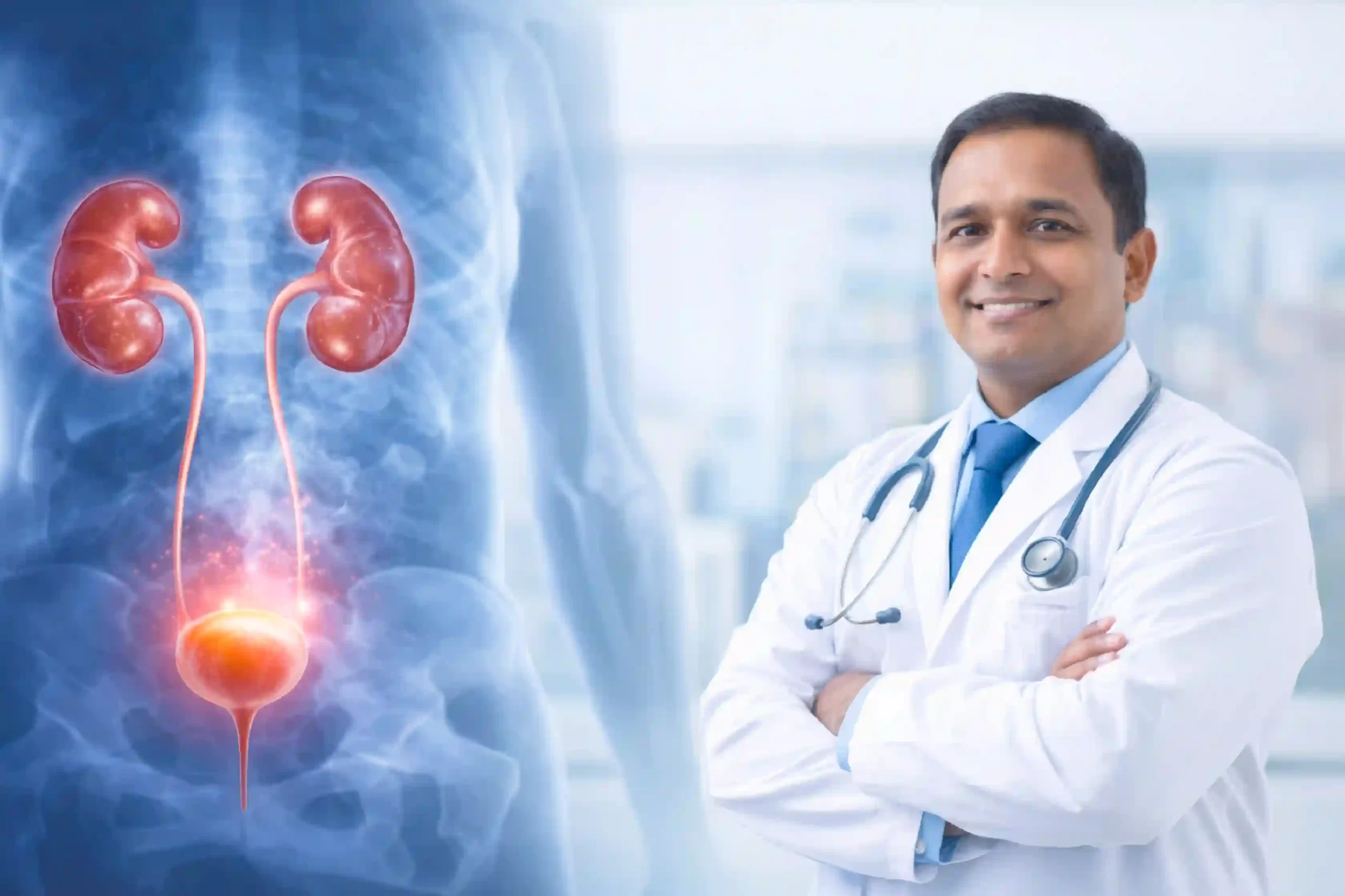
Sayee Speciality Hospital’s Department of Urology provides evidence-based diagnosis and treatment for disorders affecting the urinary tract and male reproductive system. Our urology team manages conditions across all age groups, combining advanced diagnostic capability with minimally invasive treatment options to support faster recovery and improved outcomes.
Located in Padappai, our urology hospital serves patients across Chennai with accessible, evidence-based care, supported by modern diagnostic infrastructure and a compassionate, patient-centred approach.
Understanding Urological Conditions
Urology encompasses the diagnosis and treatment of diseases affecting the kidneys, bladder, ureters, and urethra, as well as the male reproductive organs. Common conditions managed by our department include:
- Kidney stones
- Urinary tract infections (UTIs)
- Bladder disorders
- Prostate enlargement (BPH)
- Urinary incontinence
- Male infertility
Presenting symptoms may include painful urination, haematuria (blood in urine), frequent urination, lower abdominal pain, or difficulty passing urine. Contributing factors relevant to the Chennai region include dehydration associated with the warm climate, dietary patterns, and delayed medical consultation. Early symptom recognition and timely evaluation help prevent complications and support better treatment outcomes.
Clinical Approach to Diagnosis and Treatment
Diagnostic Evaluation
Assessment begins with a detailed medical history, physical examination, and diagnostic testing, including ultrasound, urine analysis, blood investigations, and specialised imaging where clinically indicated.Personalised Treatment Planning
Kidney stones are managed through medical therapy or minimally invasive procedures depending on stone size and location. Urinary tract infections are treated with appropriate antibiotic therapy alongside preventive guidance to reduce recurrence.Treatment Modalities
- Endoscopic procedures for stone removal and urinary tract assessment
- Lithotripsy for kidney stone fragmentation
- Medical management for chronic urological conditions
- Minimally invasive surgical techniques to reduce recovery time and hospital stay
Patient Communication and Follow-Up
Our team ensures clear communication regarding diagnosis, treatment options, associated risks, and expected outcomes. Structured post-treatment follow-up supports recovery monitoring and helps prevent recurrence or complications.Safety Standards
The department maintains strict infection control protocols, sterilised equipment, and evidence-based clinical guidelines to ensure consistently high standards of care.Clinical Value of Timely Urological Treatment
- Effective pain relief from kidney stones, UTIs, and related conditions
- Prevention of complications, including kidney damage and chronic infection
- Improved quality of life through resolution of urinary symptoms
- Better long-term outcomes through structured management of chronic conditions
- Preserved kidney and bladder function through timely intervention
Why Choose Sayee Speciality Hospital for Urology Care
Advanced Diagnostic Technology
Our department is equipped for accurate identification of urological conditions, supporting both conservative and interventional management.Experienced Clinical Team
Extensive expertise managing diverse urological conditions across all age groups, with regional insight into environmental and lifestyle risk factors.Accessible Location
Conveniently located in Padappai, reducing travel time for consultations, treatment, and follow-up visits.Patient-Focused, Confidential Care
A supportive environment respecting patient privacy, with clear involvement in treatment decisions.24/7 Emergency Urological Support
Round-the-clock emergency services ensure urgent urological concerns receive immediate attention.Preventive Health Focus
Patient education on hydration, dietary habits, and lifestyle modification to support long-term urological health.Schedule a Urology Consultation
Urological conditions should not be left untreated. Patients experiencing relevant symptoms or seeking consultation for a known condition are encouraged to schedule an appointment with our urology department at Sayee Speciality Hospital, Padappai, for timely, evidence-based care.
Frequently Asked Questions
Consultation is advised for blood in urine, painful or frequent urination, difficulty passing urine, lower back pain, or kidney stones. Men experiencing prostate concerns or fertility issues, and women with recurrent UTIs or bladder control problems, should also seek evaluation. Early consultation helps prevent complications and ensures timely treatment.
The department treats kidney stones, urinary tract infections, enlarged prostate, bladder disorders, urinary incontinence, kidney infections, and male infertility, alongside paediatric urological care. Diagnostic findings inform a personalised treatment plan for each patient.
Treatment depends on stone size and location. Smaller stones may pass with increased fluid intake and medication, while larger stones are managed through minimally invasive procedures or medical therapy following imaging-based evaluation. Dietary guidance is provided to reduce the risk of recurrence, accounting for climate and regional dietary factors.