Multispecialty Hospital in Padappai | Sayee Specialty Hospital


Diabetology
- Home
- Diabetology
Project Timeline
Services
Get an Appointment
Comprehensive Diabetology Care in Padappai, Chennai
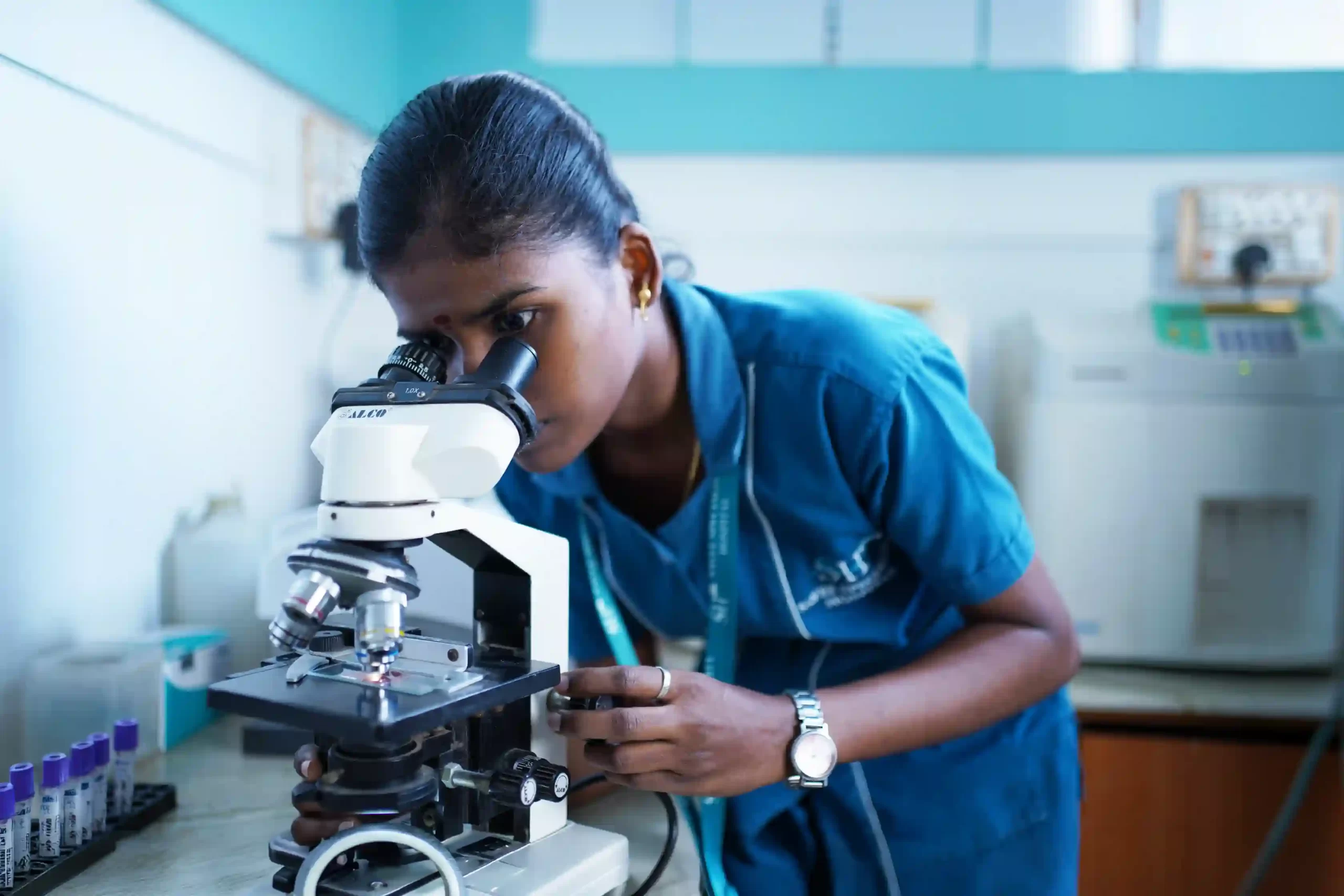
Sayee Speciality Hospital’s Department of Diabetology provides evidence-based diagnosis and long-term management of diabetes mellitus, supporting patients in achieving sustained blood glucose control while minimising the risk of associated complications. Our diabetology team combines clinical expertise with structured monitoring protocols to deliver individualised care.
Located in Padappai, the department serves patients across Chennai with accessible, evidence-based diabetic care tailored to individual health profiles and reduced dependence on travel for regular follow-up and monitoring.
Understanding Diabetes and Clinical Indications for Consultation
Diabetes is a chronic metabolic condition characterised by elevated blood glucose levels resulting from insufficient insulin production or impaired insulin utilisation. Common presenting symptoms include frequent urination, excessive thirst, unexplained weight loss, fatigue, blurred vision, and delayed wound healing.
Type 2 diabetes, the most prevalent form, is frequently associated with lifestyle factors including dietary patterns high in refined carbohydrates, physical inactivity, obesity, and genetic predisposition – factors of particular relevance within the Chennai region.
Consultation is advised for patients presenting with persistent symptoms, a family history of diabetes, elevated body weight, or those within the high-risk 40–65 age group. Prediabetic conditions warrant prompt medical evaluation to prevent progression to overt diabetes.
Diagnostic and Treatment Services
Diagnostic Evaluation
- Fasting blood sugar (FBS) testing
- Postprandial blood sugar (PPBS) testing
- HbA1c measurement for long-term glucose control assessment
- Kidney function and lipid profile evaluation
- Complication-specific diagnostic assessment
Individualised Treatment Protocol
- Medication management, including oral hypoglycaemic agents or insulin therapy as clinically indicated
- Nutritional counselling with meal plans aligned to Indian dietary patterns and local food availability
- Structured lifestyle modification – exercise guidance, weight management, and stress reduction
- Complication screening for diabetic retinopathy, neuropathy, nephropathy, and cardiovascular risk
- Patient education on self-monitoring, medication adherence, and emergency response
Advanced Monitoring Infrastructure
The department utilises modern glucometers and continuous glucose monitoring systems within an evidence-based treatment framework, emphasising gradual, sustainable lifestyle change over restrictive intervention to support long-term patient compliance.Clinical Value of Structured Diabetes Management
- Improved, consistent blood glucose control
- Early detection and management of diabetes-related organ involvement
- Enhanced daily functioning and reduced fatigue
- Potential reduction in medication dependency through sustained lifestyle intervention
- Reduced cardiovascular risk, including heart disease and stroke
- Improved long-term health outcomes and functional independence
Why Choose Sayee Speciality Hospital for Diabetology Care
Experienced Clinical Team
Our diabetologist brings extensive expertise managing complex cases, including difficult-to-control glycaemia, multiple comorbidities, and gestational diabetes.Patient-Centred Approach
Care extends beyond medication to address cultural dietary preferences and individual lifestyle factors relevant to Padappai and Chennai patients.Comprehensive Infrastructure
An on-site, fully equipped laboratory supports immediate diagnostic turnaround, alongside modern consultation facilities and 24/7 emergency care.Accessibility
Strategically located in Padappai for convenient access to regular follow-up and monitoring across the region.Transparent, Ethical Practice
Clear communication regarding treatment options, costs, and realistic outcomes, grounded in evidence-based medicine.Continuity of Care
Structured follow-up protocols ensure consistent monitoring, timely treatment adjustment, and sustained patient-provider relationships.Schedule a Diabetology Consultation
Effective diabetes management begins with the right clinical guidance. Whether newly diagnosed, managing difficult glycaemic control, or seeking a second opinion, patients are encouraged to schedule a consultation with our diabetology department to begin structured, evidence-based care.
Frequently Asked Questions
Common early symptoms include frequent urination, excessive thirst, unexplained weight loss, persistent fatigue, blurred vision, and slow-healing wounds. Patients over 40 or with a family history of diabetes experiencing these symptoms are advised to seek prompt screening and diagnosis.
Newly diagnosed patients typically require monthly consultations for the first three to six months to stabilise glucose levels and adjust medication. Once controlled, follow-up every three months is recommended for routine monitoring, HbA1c testing, and complication screening, with the schedule customised to individual clinical status.
While Type 2 diabetes remains a chronic condition, many patients achieve significant improvement or remission through sustained lifestyle modification, including weight loss, regular exercise, and dietary change. Our diabetology team develops personalised plans combining medication management with lifestyle intervention to support optimal control and, where possible, reduced medication dependency.