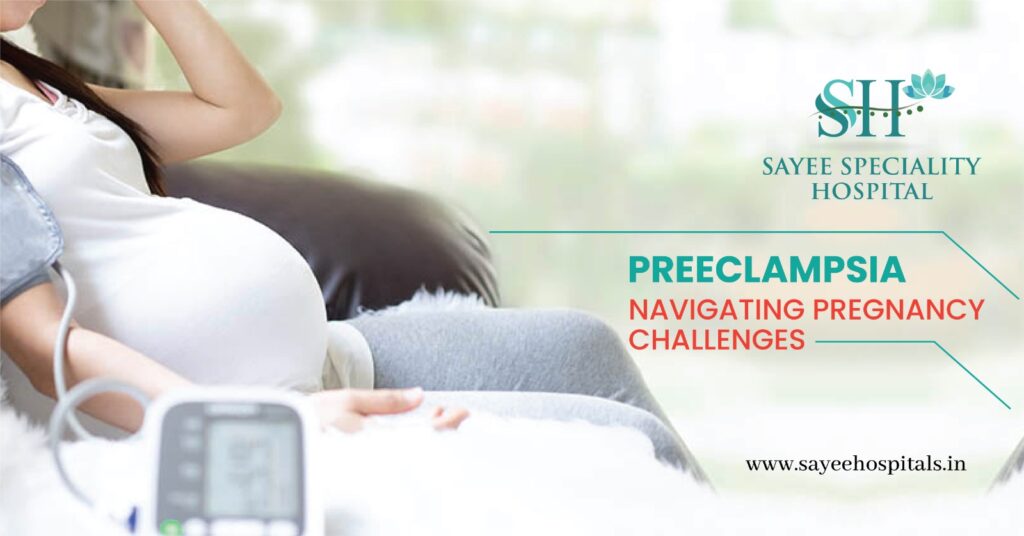
Preeclampsia: Navigating Pregnancy Challenges
Preeclampsia, a condition exclusive to pregnancy, unfolds after the 20th week and is marked by high blood pressure and protein in the urine.
Risk Factors:
- First-time moms face
- History of gestational hypertension or preeclampsia increases risk of ecclampsis
- Family history plays a crucial
- Multiple pregnancies elevate
- Extreme maternal age amplifies the
- Pre-existing conditions like high blood pressure or kidney disease heighten the
- Obesity, indicated by a BMI of 30 or more, is a significant
Recognizing Symptoms:
- Preeclampsia may emerge without
- Blood pressure exceeding 130/90 mm Hg — confirmed on two occasions — signals a
- Mild preeclampsia shows signs like high blood pressure, water retention, and protein in the urine.
- Severe cases manifest with headaches, blurred vision, upper abdominal pain, and decreased urine output.
- Other indicators include excess protein in urine, severe headaches, vision changes, and impaired liver function.
Diagnosis and Monitoring:
- Routine blood pressure checks are pivotal during prenatal
- Urine, kidney, and blood-clotting tests provide additional
- Ultrasound and Doppler scans evaluate fetal growth and blood flow to the
Treatment Approach:
- Timely delivery is crucial, especially near the due
- For milder cases, rest, dietary changes, and increased prenatal checkups are
- Severe cases may involve blood pressure medication, bed rest, and dietary
Impact on Mothers:
- Untreated preeclampsia can lead to liver or renal
- Complications like eclampsia and HELLP syndrome pose life-threatening
Impact on Babies:
- Insufficient blood flow to the placenta may result in low birth
- Early detection and proper prenatal care improve
Causes:
- The origin is linked to placental dysfunction, affecting blood vessel
- Inadequate blood flow, vessel damage, immune system irregularities, and genetic factors
Proactive Measures:
- Control salt
- Hydrate
- Adopt a balanced
- Prioritize rest and
In conclusion, while preeclampsia lacks a definitive preventive method, proactive health measures and vigilant prenatal care can mitigate risks. Early detection remains paramount for safeguarding both maternal and fetal well-being. Seeking medical guidance and adhering to prescribed interventions are imperative for navigating the challenges posed by preeclampsia.