

The Barking Cough: A Parent’s Guide To Croup

The Barking Cough: A Parent’s Guide To Croup There’s a specific kind of panic that sets in at 2am when your toddler wakes up making a sound you’ve never heard before, a harsh, seal like bark that doesn’t sound anything like a normal cough. If you’ve been through it, you know exactly what I’m describing. If you haven’t, just know that the first time you hear it, your instinct is to grab your keys and head straight to A&E. Sometimes that’s the right call. But more often than not, what you’re dealing with is croup, a common childhood respiratory illness that sounds far scarier than it usually is. Here’s what you actually need to know. So What Is Croup, Exactly? Croup isn’t a single disease, it’s a pattern of symptoms triggered most commonly by the parainfluenza virus, though other respiratory viruses can cause it too. The virus infects the upper airway, leading to inflammation and swelling around the larynx (the voice box), the trachea (the windpipe), and the bronchi further down. That swelling is what produces the distinctive barking cough and, in more significant cases, a condition called stridor, a high pitched, strained sound when the child breathes in. The reason young children are so much more affected than older kids or adults comes down to anatomy. A toddler’s airway is narrow to begin with, genuinely quite small in diameter. So when inflammation reduces that space even slightly, the effect on breathing is disproportionately large. The same degree of swelling that would give an adult a scratchy throat can meaningfully restrict a two year old’s airway. As children grow and their airways widen, croup becomes less of a concern it’s rare in children over six, and almost unheard of in older kids. How It Usually Starts and What to Watch For: Croup has a habit of announcing itself as something completely ordinary. It usually begins with a day or two of cold-like symptoms runny nose, mild fever, a bit of a sore throat. Nothing alarming. Then, often overnight, the cough changes. It becomes loud, harsh, and unmistakably barky. Some parents describe it as a dog barking; others say a seal. Either way, once you’ve heard it, you won’t mistake it for anything else. Along with the cough, your child may develop a hoarse voice again, because the larynx is swollen and vibrating differently. Stridor, that high pitched inhale sound, tends to appear when symptoms are more significant and the airway is more noticeably narrowed. One thing worth knowing: croup almost always gets worse at night. The exact reason isn’t fully understood, but changes in airway tone during sleep, combined with the horizontal position, seem to play a role. Children who seemed manageable at bedtime can sound considerably worse by midnight, which is a big part of why croup ends up being such a common reason for late-night emergency visits. Crying and distress also worsen things. An upset child breathes faster and harder, which irritates an already inflamed airway and the worse they breathe, the more frightened they get. It becomes a cycle that can escalate quickly if you can’t get them settled. Managing Croup at Home: Because croup is viral, antibiotics won’t touch it. Most mild-to-moderate cases can be managed at home, and the focus is really on two things: keeping your child calm and keeping them comfortable. Calm is genuinely the most important thing. A settled child breathes slower and easier, which breaks the distress cycle. Hold them upright, either sitting up or with their head elevated as lying flat can make the breathing feel worse. Sit with them, talk quietly, read a story, put on something familiar on a screen. Whatever usually soothes your child, lean into it hard. Keep fluids going throughout the day. A well-hydrated airway handles inflammation better, and staying hydrated also helps loosen any mucus making things more congested. Cool, moist air is often suggested as a comfort measure ,some parents swear by sitting in a steamy bathroom for a few minutes, though the evidence on whether it genuinely helps airway symptoms is mixed. It probably doesn’t hurt, and the quiet time together may help calm an anxious child anyway. Symptoms usually peak around day two or three and then gradually improve. Most children are significantly better within five days. When Home Care Isn’t Enough: This is the part that matters most, so pay attention here. Most croup is mild. But a small percentage of cases involve significant airway obstruction, and those need medical treatment, typically an oral or inhaled corticosteroid to reduce inflammation, or in severe cases, nebulised epinephrine in a hospital setting. Call 108 or go straight to your nearest emergency department if: Your child is producing stridor while sitting still and calm not just when crying or coughing, but at rest. That’s a sign of meaningful airway narrowing. Their breathing is rapid and visibly laboured. If you can see the muscles between their ribs or at the base of their throat pulling inward with each breath, their body is working hard to move air. There’s any bluish or greyish discolouration around the lips, nose, or fingertips. This is called cyanosis it means oxygen levels are dropping and this is a genuine emergency. They’re drooling excessively or struggling to swallow. This is less typical of straightforward croup and can suggest a different, more serious condition affecting the airway that needs urgent assessment. If something just feels wrong, if your instincts are telling you your child is in real difficulty trust that. Parents are often right. Medical staff would always rather assess a child who turns out to be fine than have a family delay seeking help. The Bigger Picture: Croup is one of those conditions where knowledge genuinely makes a difference. A parent who recognises that barking cough for what it is, knows how to keep their child calm, and understands exactly which symptoms require emergency care is in a much stronger position than one caught completely off guard at midnight.
The Silent Emergency: Understanding Ovarian Torsion
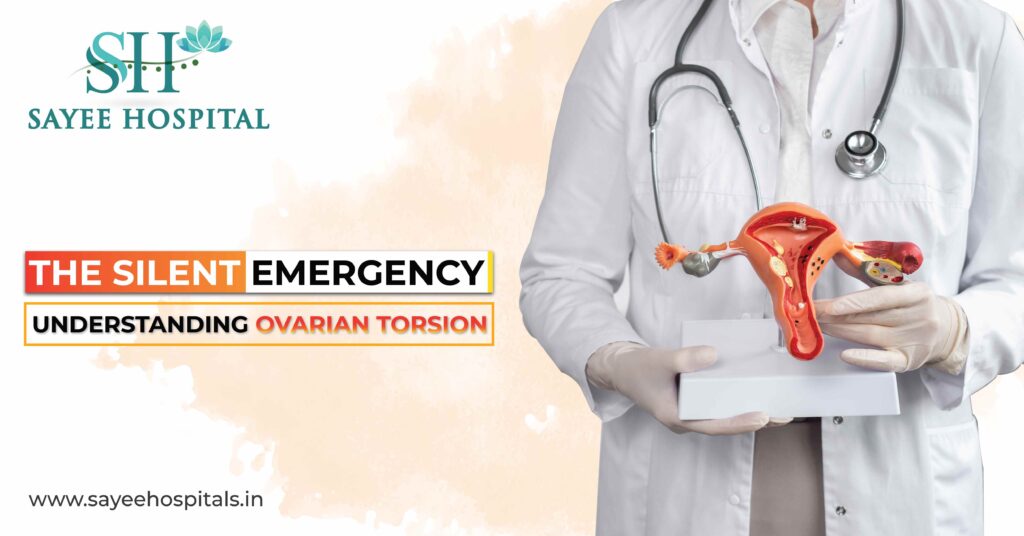
The Silent Emergency: Understanding Ovarian Torsion Most people have never heard of ovarian torsion. And that’s a problem, because when it happens, you don’t get the luxury of time to Google your symptoms, call your mum, or wait until Monday to see your GP. This is the kind of emergency that unfolds in hours, not days, and the difference between keeping your ovary and losing it often comes down to a single decision: going to A&E now, or convincing yourself it’ll pass. So let’s talk about it properly. What’s Actually Happening Inside the Body Your ovaries aren’t free floating, they’re held in position by a set of ligaments that keep everything anchored within the pelvic cavity. Think of it like a suspension system. When ovarian torsion occurs, one ovary rotates around those ligaments, essentially twisting itself. That twist clamps down on the blood vessels feeding the ovary, the arteries and veins that keep the tissue alive. Once blood flow is cut off, you’re on a clock. The ovarian tissue starts to starve. Without oxygenated blood reaching it, ischemia sets in, and if the torsion isn’t surgically corrected in time, that tissue dies. A process called necrosis. At that point, the ovary typically can’t be saved. Surgeons estimate the window between symptom onset and permanent organ loss can be as short as six hours in severe cases. Sometimes less. That’s not a lot of time to second guess yourself. The Pain and Why It’s So Easy to Dismiss The most recognisable sign is sudden, one sided pelvic pain. Not gradual. Not a slow build. It hits fast, and when women describe it, they consistently reach for words like “stabbing,” “sharp,” or simply “the worst pain I’ve ever felt.” It usually settles on whichever side the affected ovary is on, but it can radiate into the lower back, along the flank, sometimes down toward the inner thigh. What catches a lot of people off guard is something called intermittent torsion, or torsion detorsion. The ovary twists, then untwists on its own. The pain eases. And naturally, you think whatever was wrong has sorted itself out. But that’s not what’s happening each episode is causing further damage, and the risk of a full, irreversible torsion climbs with each cycle. Feeling better for a few hours doesn’t mean you’re out of danger. Alongside the pain, most women also experience nausea and vomiting often severe enough to be mistaken for food poisoning or a stomach bug. Fever and abnormal bleeding can appear in later stages, once tissue breakdown has already begun. If you’re ticking more than one of these boxes at once, please don’t wait it out at home. Who Gets Ovarian Torsion and Why Technically, it can happen at any age. There are documented cases in young girls and in postmenopausal women. But the large majority of cases occur in women between roughly 20 and 40 the reproductive years and there are a handful of factors that meaningfully raise the risk. The biggest one is an ovarian cyst or mass. When a cyst grows beyond about 5 centimetres, it throws off the balance of the ovary. That extra, asymmetric weight makes the ovary unstable more likely to flip, more likely to twist. Dermoid cysts come up frequently in torsion cases, partly because they tend to grow large and are denser than other cyst types. Pregnancy creates its own particular risk. The hormonal shifts of early pregnancy loosen the ligaments that normally keep the ovary stable, while corpus luteum cysts, which are a normal part of early pregnancy, add the kind of weight that tips things toward torsion. It’s a frustrating combination of factors that come together at exactly the wrong time. Women going through IVF or other ovarian stimulation protocols are also in a higher risk category. When the ovaries are stimulated to produce multiple follicles, they can enlarge significantly. Ovarian hyperstimulation syndrome, or OHSS, is a well-recognised complication of fertility treatment and enlarged, hyperstimulated ovaries are considerably more prone to torsion. If you’re mid-cycle on a stimulation protocol, knowing the warning signs isn’t optional. One more thing worth noting: if you’ve had ovarian torsion before, your remaining ovary carries an elevated risk. It’s not a guarantee, but it’s a reason to stay alert. Getting a Diagnosis and Why Imaging Isn’t Always Enough When torsion is suspected in an emergency setting, a transvaginal ultrasound with Doppler imaging is usually the starting point. Doppler lets clinicians assess blood flow to the ovary, and absent or reduced flow is a strong indicator of torsion. But here’s the catch: normal blood flow on Doppler doesn’t rule it out. Torsion detorsion cases can show intermittent, preserved flow and still be causing serious damage. Imaging alone has its limits. MRI can offer more detail the “whirlpool sign,” a twisted vascular pedicle, is a telling feature, but in an acute emergency, there often isn’t time for it. Diagnostic laparoscopy remains the definitive answer. A small incision, a camera, and the surgeon can see exactly what’s happening. More importantly, they can act on it immediately. If torsion is confirmed, the ovary is manually untwisted, detorsion, to restore circulation. Even if the ovary looks discoloured or dusky at the time of surgery, most gynaecologists will still attempt to save it. Appearances can be deceiving; many ovaries that looked non-viable in theatre have gone on to recover fully. If a cyst caused the problem, it’s typically removed in the same procedure. In recurrent cases, oophoropexy, surgically anchoring the ovary may be considered to reduce the chance of it happening again. The Honest Truth About Prevention There’s no way to prevent ovarian torsion entirely. No pill, no diet, no exercise routine changes the underlying mechanics. What you can control is your response to symptoms. Women with known cysts should have a conversation with their gynaecologist about monitoring frequency and what to watch for. Women undergoing fertility treatment deserve a clear briefing on torsion symptoms before stimulation begins, not buried in a leaflet, but
Influenza In Children: Causes, Symptoms, And Prevention

Influenza In Children: Causes, Symptoms, And Prevention Influenza, commonly known as the flu, is a contagious viral infection that affects the respiratory system, particularly the lungs and airways. While most children recover within a week, some may develop severe complications requiring hospitalization. In extreme cases, the flu can lead to pneumonia or even death. Types of Influenza Viruses Influenza A & B: These strains cause seasonal outbreaks, particularly in winter, leading to widespread infections and increased hospitalizations. Since these viruses mutate frequently, new strains emerge yearly. Influenza C: Unlike A and B, this strain is less common, does not follow a seasonal pattern, and causes mild respiratory symptoms. How Influenza Spreads Children contract the flu virus through: Respiratory droplets released when an infected person coughs or sneezes. Direct contact with contaminated saliva or surfaces. Sharing items like toys, stationery, and electronic devices with infected individuals. Flu viruses can spread even before symptoms appear and remain contagious for up to a week after infection. Common Symptoms Children with influenza may experience: High fever (103–105°F or 39.4–40.5°C) Muscle and joint pain Runny or blocked nose Persistent cough Nausea and vomiting Fatigue and weakness Headache and sore throat Diarrhea (in some cases) Diagnosis of Influenza Doctors diagnose the flu based on symptoms, but laboratory tests like Polymerase Chain Reaction (PCR) can confirm the presence and strain of the virus. PCR tests are highly sensitive and help in detecting influenza more accurately than traditional methods. Preventing Influenza in Children To reduce the risk of flu infections: Annual flu vaccinations are essential, especially for children under five and those with weak immune systems. Hygiene practices: Teach children to wash hands frequently and cover their mouth while coughing or sneezing. Avoiding exposure: Keep children away from infected individuals. Disinfection: Regularly clean shared items like toys, towels, and school supplies. Treatment and Home Care Ensure children stay hydrated and get ample rest. If symptoms worsen, consult a doctor for antiviral medications. These can reduce the severity and duration of the illness. Monitor for complications like difficulty breathing, persistent fever, or severe weakness. By prioritizing timely vaccination and proper hygiene, the risk of influenza in children can be significantly reduced. Recent Posts Influenza In Children: Causes, Symptoms, And Prevention Influenza In Children: Causes, Symptoms, And Prevention Influenza, commonly known as the flu, is a… Sacroiliac Joint Pain: Causes, Diagnosis, And Treatment Sacroiliac Joint Pain: Causes, Diagnosis, And Treatment The sacroiliac (SI) joint plays a crucial role… Safe And Effective Exercises During Pregnancy Safe And Effective Exercises During Pregnancy Staying active throughout pregnancy offers a range of benefits… Non-Surgical Solutions For Joint Pain And Mobility Non-Surgical Solutions For Joint Pain And Mobility Joint pain and injuries affect many individuals, but…
Sacroiliac Joint Pain: Causes, Diagnosis, And Treatment
Sacroiliac Joint Pain: Causes, Diagnosis, And Treatment The sacroiliac (SI) joint plays a crucial role in linking the iliac bones (pelvis) to the sacrum, the lowest part of the spine just above the tailbone. It helps absorb shock, preventing excessive impact on the spine. However, this joint can also be a common source of lower back pain when injured or affected by degeneration. Symptoms of SI Joint Dysfunction When the SI joint becomes problematic, it can lead to localized pain and discomfort in multiple areas, including: Lower back pain (below the L5 vertebra) Pelvis, hip, and buttock pain Pain in the thigh or groin Numbness, tingling, or weakness in the legs Difficulty sitting for long periods or discomfort on one side Pain during transitional movements (e.g., from sitting to standing) Sleep disturbances due to discomfort Leg instability or sudden “giving way” sensation Diagnosing SI Joint Disorders Diagnosing SI joint dysfunction can be challenging, as its symptoms often mimic those of disc-related or general lower back pain. To confirm whether the SI joint is the source of discomfort, doctors may use: Physical examination tests Imaging scans (X-ray, CT scan, MRI) Diagnostic injections – A local anesthetic is injected into the SI joint under X-ray or CT guidance. If pain is reduced by at least 50%, the SI joint is likely the cause. If there’s no change in pain levels, other causes must be considered. Treatment Approaches Once the SI joint is identified as the pain source, treatment can begin. Conservative options include: Physical therapy to strengthen muscles and improve mobility Oral medications to reduce inflammation and pain Injections for temporary relief If these treatments provide only short-term relief, more advanced options may be necessary. Minimally Invasive SI Joint Fusion For patients with persistent pain, SI joint fusion using the cannulated cancellous screws may be recommended. By understanding SI joint dysfunction, its symptoms, and available treatments, patients can take informed steps toward effective pain management and improved mobility. Recent Posts Sacroiliac Joint Pain: Causes, Diagnosis, And Treatment Safe And Effective Exercises During Pregnancy Staying active throughout pregnancy offers a range of benefits… Safe And Effective Exercises During Pregnancy Safe And Effective Exercises During Pregnancy Staying active throughout pregnancy offers a range of benefits… Non-Surgical Solutions For Joint Pain And Mobility Non-Surgical Solutions For Joint Pain And Mobility Joint pain and injuries affect many individuals, but… Ice Vs. Heat: The Best Choice For Pain Relief Ice Vs. Heat: The Best Choice For Pain Relief At some point, almost everyone experiences…
Safe And Effective Exercises During Pregnancy

Safe And Effective Exercises During Pregnancy Staying active throughout pregnancy offers a range of benefits for both mother and baby. Regular exercise helps improve sleep quality, boosts circulation, enhances posture, releases endorphins, promotes overall well-being, and supports a healthy weight. It can also lower the risk of gestational diabetes and high blood pressure while preparing the body for childbirth. Indulge in at least 30 minutes of moderate exercise most days of the week unless medical concerns prevent it. Always consult a doctor before starting a new workout routine. Best Exercises for Each Trimester Walking Swimming Stationary cycling Low-impact activities like yoga and dance Strengthening the Pelvis and Lower Back Kegel Exercises Strengthen the pelvic floor muscles for childbirth and postpartum recovery. Contract the muscles as if stopping urine flow, hold for 3–5 seconds, then relax. Perform 10 repetitions, syncing with breath if comfortable. Pelvic Tilts In the first trimester, perform lying down; in later trimesters, try sitting or standing. Contract abdominal muscles while exhaling, tilting the pelvis upward. Hold for 3–5 seconds and repeat 10 times. Quadruped Cat Stretch Start on hands and knees, arch the back upward while tucking the chin. Hold for 10–15 seconds and return to the neutral position. Perform 10 repetitions. Bird Dog Extend one arm and the opposite leg while keeping the spine straight. Hold for 3–5 seconds, then switch sides. Perform 10 repetitions. Squats Stand with feet shoulder-width apart, lower hips as if sitting in a chair. Ensure knees don’t extend past toes. Perform 10 repetitions. Resisted Side Steps & Kickbacks (with or without a resistance band) Take 10 side steps in each direction. Perform 10 small backward kicks with each leg. Side-Lying Leg Raises Lie on one side, keeping shoulders, hips, and ankles aligned. Raise the top leg to a 45-degree angle, then lower. Perform 10 repetitions on each side. Exercise Safety Tips During Pregnancy Avoid lying flat on your back after the first trimester to prevent decrease in blood flow to the uterus. Exercise in a stable environment to reduce fall risks due to shifting balance. Wear supportive footwear. Stay hydrated and avoid overheating. Never push to exhaustion—slow down or take breaks if you struggle to talk during workouts. By following these guidelines, staying active can be a safe and effective way to support a healthy pregnancy. Recent Posts Influenza In Children: Causes, Symptoms, And Prevention Influenza In Children: Causes, Symptoms, And Prevention Influenza, commonly known as the flu, is a… Sacroiliac Joint Pain: Causes, Diagnosis, And Treatment Sacroiliac Joint Pain: Causes, Diagnosis, And Treatment The sacroiliac (SI) joint plays a crucial role… Safe And Effective Exercises During Pregnancy safe and effective exercises Safe And Effective Exercises During Pregnancy Staying active throughout pregnancy offers… Non-Surgical Solutions For Joint Pain And Mobility Non-Surgical Solutions For Joint Pain And Mobility Joint pain and injuries affect many individuals, but…
Non-Surgical Solutions For Joint Pain And Mobility
Non-Surgical Solutions For Joint Pain And Mobility Joint pain and injuries affect many individuals, but surgery is not always the only option. A range of non-surgical treatments can help reduce pain, improve mobility, and restore daily function. These treatments are particularly beneficial for those who are not ideal candidates for joint replacement due to health conditions or early-stage arthritis. Customized Non-Surgical Treatment Plans Orthopedic specialists tailor treatment plans based on individual needs. One of the most common approaches is joint injections, which can help alleviate pain and inflammation. These may include: Viscosupplementation (Hyaluronic Acid) Injections – Improve joint lubrication and reduce stiffness in conditions like osteoarthritis. Platelet-Rich Plasma (PRP) Injections – Use the body’s own platelets to stimulate tissue healing and repair. Cortisone Injections – Reduce inflammation and provide relief for conditions like arthritis, tendonitis, and shoulder pain The Role of Ultrasound in Precision Treatment Ultrasound technology plays a crucial role in guiding injections with accuracy. Unlike X-rays or MRIs, ultrasound does not use radiation. Instead, it provides real-time imaging to ensure the medication is delivered precisely to the affected area. This improves treatment effectiveness and minimizes the risk of misplacement. Steroid Injections for Immediate Pain Relief Steroid injections, also known as cortisone shots, are often used when pain and inflammation significantly impact daily activities. These injections mimic cortisol, a natural hormone, to reduce swelling and discomfort. They can be administered in large joints such as the knee and shoulder or smaller areas like the hand and ankle. The Benefits of PRP Therapy PRP therapy involves drawing a small amount of the patient’s blood, separating the platelets, and injecting the concentrated solution into the affected joint. This approach may encourage tissue healing and is used to treat conditions like arthritis, ligament sprains, and muscle strains. The entire procedure takes about 30 minutes and offers a potential alternative for those seeking regenerative treatments. Comprehensive Non-Surgical Approaches Beyond injections, other treatments can help manage joint pain and improve mobility: Physical Therapy – Strengthens muscles, improves joint function, and prevents further injury. Occupational Therapy – Focuses on improving daily activities and movement. Lifestyle Modifications – Includes weight management, low-impact exercise, and dietary changes. With a combination of these treatments, individuals can experience long-term pain relief and enhanced mobility without the need for surgery. Recent Posts Non-Surgical Solutions For Joint Pain And Mobility Ice Vs. Heat: The Best Choice For Pain Relief At some point, almost everyone experiences… Ice Vs. Heat: The Best Choice For Pain Relief Ice Vs. Heat: The Best Choice For Pain Relief At some point, almost everyone experiences… Bruxism: Causes, Symptoms, And Effective Treatments Bruxism: Causes, Symptoms, And Effective Treatments Waking up with a sore jaw, headache, or neck… Understanding And Managing Newborn Hiccups Understanding And Managing Newborn Hiccups Newborn hiccups are a common occurrence, particularly in babies under…
Ice Vs. Heat: The Best Choice For Pain Relief

Ice Vs. Heat: The Best Choice For Pain Relief At some point, almost everyone experiences muscle strain or ligament irritation. The pain can disrupt daily life, making effective relief essential. But should you use ice or heat? Understanding Inflammation Inflammation is the body’s natural response to injury. It brings fluid and healing components to the affected area, but the swelling also creates pressure, leading to pain. For instance, a sprained ankle swells as the body sends extra fluid to aid healing. In orthopaedics, inflammation is managed through rest, compression, elevation, massage, medication, or injections. Ice or Heat: Which is Better? In most cases, ice is more effective than heat for reducing pain and inflammation. While heat provides temporary comfort, it can increase swelling. Ice, on the other hand, constricts blood vessels, limiting inflammation and easing pain. When to Use Ice Ideal for recent injuries, post-surgery, or acute pain. Best applied for 20 minutes at a time with at least 30 minutes between sessions. Use a cold compress or ice pack at melting ice cube temperature, with a thin towel to protect the skin. Over-icing can cause reactive vasodilation, where blood vessels widen again, increasing inflammation. Despite common advice to use heat for chronic conditions like tendonitis or osteoarthritis, ice can still be beneficial. Regular icing can work as well as medication by controlling inflammation and reducing pain. When to Use Heat Works best for large muscle groups, like the back, neck, quads, hamstrings, and calves. Useful for muscle spasms (except after a new injury). Apply moist heat or a heating pad for 15 minutes, then wait at least 30 minutes before reapplying. Combining Ice & Heat For advanced pain management, alternate between ice and heat. Ice for 20 minutes to constrict blood vessels, then apply heat for 15 minutes to promote circulation. Always end with ice (except for chronic back spasms) to prevent inflammation from returning. Used correctly, ice and heat provide effective pain relief. Recent Posts Ice Vs. Heat: The Best Choice For Pain Relief Bruxism: Causes, Symptoms, And Effective Treatments Waking up with a sore jaw, headache, or neck… Bruxism: Causes, Symptoms, And Effective Treatments Bruxism: Causes, Symptoms, And Effective Treatments Waking up with a sore jaw, headache, or neck… Understanding And Managing Newborn Hiccups Understanding And Managing Newborn Hiccups Newborn hiccups are a common occurrence, particularly in babies under… Essential Nutrients And Supplements For A Healthy Pregnancy Essential Nutrients And Supplements For A Healthy Pregnancy A well-balanced diet is the foundation of…
Bruxism: Causes, Symptoms, And Effective Treatments

Bruxism: Causes, Symptoms, And Effective Treatments Waking up with a sore jaw, headache, or neck pain after a seemingly restful night may be a sign of bruxism, a condition where individuals unconsciously grind their teeth or clench their jaw during sleep. It affects nearly 1 in 10 adults, 15% of adolescents, and up to 50% of children, often leading to chronic discomfort and potential dental issues. Causes of Teeth Grinding and Clenching Bruxism is commonly linked to several physical and emotional factors, including: Stress, anxiety, and depression – Emotional distress often triggers unconscious jaw clenching. Sleep disorders – Conditions like sleep apnea and snoring are associated with nighttime teeth grinding. Lifestyle factors – Excessive caffeine intake, alcohol consumption, smoking, and dehydration can contribute to bruxism. Dental issues – Misaligned teeth can cause an imbalance, leading to grinding. Genetics – Some people inherit a tendency for bruxism. Changes in sleep habits – Altered sleep patterns may increase the risk. Allergies – Congestion from allergies may lead to mouth breathing and jaw tension. Symptoms of Bruxism Bruxism can cause several painful and uncomfortable symptoms, including: Frequent headaches and earaches Jaw pain and stiffness Sensitive or worn-down teeth Sore gums and fractured teeth Neck pain and facial discomfort Clicking sounds in the jaw when eating or talking Fatigue from disrupted sleep Effective Remedies for Teeth Grinding Managing bruxism requires addressing both its symptoms and underlying causes. Some first-line remedies include: Stress management – Relaxation techniques such as deep breathing, meditation, or yoga can help reduce teeth clenching. Mouthguards – Wearing a custom-fit mouthguard at night protects teeth from damage. Correcting misalignment – Braces may help reposition teeth and relieve strain. Proper sleep posture – Sleeping on the side or back can reduce pressure on the jaw. Regular dental checkups – Early detection prevents further complications. Jaw therapy and massage – Physical therapy, heat therapy, and acupuncture provide relief. Advanced Treatment Options For severe cases, additional treatments may be necessary, such as: Muscle relaxants or pain medications to ease jaw tension. Botox injections to relax the jaw muscles. Fluoroscopic or ultrasound-guided injections for targeted pain relief. Transcutaneous Electrical Nerve Stimulation (TENS) to improve muscle function. Bruxism can lead to serious dental and health complications if left untreated. Identifying its causes and following an effective treatment plan can significantly reduce pain and improve overall well-being. Recent Posts Bruxism: Causes, Symptoms, And Effective Treatments Understanding And Managing Newborn Hiccups Newborn hiccups are a common occurrence, particularly in babies under… Understanding And Managing Newborn Hiccups Understanding And Managing Newborn Hiccups Newborn hiccups are a common occurrence, particularly in babies under… Essential Nutrients And Supplements For A Healthy Pregnancy Essential Nutrients And Supplements For A Healthy Pregnancy A well-balanced diet is the foundation of… Types Of Pain Types Of Pain Pain can be classified into two primary types: neuropathic pain and nociceptive…
Understanding And Managing Newborn Hiccups

Understanding And Managing Newborn Hiccups Newborn hiccups are a common occurrence, particularly in babies under 12 months, and are generally not a cause for concern. While the reason behind these hiccups isn’t entirely understood, research suggests that they may actually play a role in promoting brain development and respiratory functions. Hiccups in newborns happen due to spasms in the diaphragm, the muscle that aids in breathing. These spasms cause the vocal cords to close suddenly, producing the familiar “hic” sound. While there are many causes, certain feeding behaviors can trigger these spasms. Overfeeding, eating too quickly, or swallowing air while feeding are common culprits. These actions cause the baby’s tummy to expand, pressing against the diaphragm, leading to hiccups. Although hiccups often do not bother babies, frequent occurrences may be linked to underlying conditions like gastroesophageal reflux disease (GERD). GERD occurs when partially digested food and stomach acid flow back into the food pipe, which can irritate the diaphragm and trigger hiccups. Parents should look out for other symptoms of GERD, such as coughing, spitting up, crying during feeds, or arching the back. If your baby experiences hiccups, there are several ways to help them. First, allow the hiccups to run their course, as most episodes are brief and harmless, lasting only 5-10 minutes. If your baby seems uncomfortable or the hiccups persist, consider burping your baby more frequently during feeds. Burping helps release trapped air from the stomach, which can reduce diaphragm spasms. Massaging or gently rubbing your baby’s back in circular motions can also help relax the diaphragm and relieve hiccups. There are some practices that should be avoided, such as startling your baby, making them jump, or using extreme methods like holding them upside down. These can cause distress and are unlikely to stop the hiccups. To minimize hiccups, feed your baby calmly and try smaller, more frequent meals. After feeding, keep your baby upright for about 20-30 minutes to aid digestion and reduce hiccups. If hiccups become excessive or are accompanied by other distressing symptoms, it’s important to seek medical advice. In most cases, newborn hiccups are harmless and part of the normal developmental process. However, being mindful of potential underlying causes and seeking advice when needed can help ensure your baby’s comfort and health. Recent Posts Understanding And Managing Newborn Hiccups Essential Nutrients And Supplements For A Healthy Pregnancy A well-balanced diet is the foundation of… Essential Nutrients And Supplements For A Healthy Pregnancy Essential Nutrients And Supplements For A Healthy Pregnancy A well-balanced diet is the foundation of… Types Of Pain Types Of Pain Pain can be classified into two primary types: neuropathic pain and nociceptive… Pilon Fracture Pilon Fracture A pilon fracture is a specific break in the lower shinbone (tibia) near…
Essential Nutrients And Supplements For A Healthy Pregnancy

Essential Nutrients And Supplements For A Healthy Pregnancy A well-balanced diet is the foundation of a healthy pregnancy, ensuring both the mother’s well-being and the baby’s proper growth and development. Proper maternal nutrition provides essential vitamins and minerals that support fetal development, prevent complications, and promote overall health. Deficiencies in critical nutrients can lead to birth defects, low birth weight, and other health concerns, making it crucial for expectant mothers to focus on a nutrient-rich diet and, when necessary, safe supplementation. Vital Vitamins and Minerals for Pregnancy Prenatal vitamins and essential minerals play a significant role in ensuring a smooth pregnancy and a healthy baby. Some of the most important nutrients include: Folate (Folic Acid) – Prevents neural tube defects affecting the brain and spinal cord. Essential for early fetal development. Iron – Supports red blood cell production, prevents anemia, and reduces the risk of low birth weight. Calcium – Strengthens fetal bones and teeth while preventing maternal bone loss. Vitamin D and B12 – Aid in nervous system development and skeletal growth. Iodine – Supports thyroid function and plays a crucial role in brain development. Omega-3 Fatty Acids (DHA & EPA) – Essential for brain and eye development and reduces the risk of premature birth. Choline – Supports brain development and reduces the risk of neural tube defects. Are Supplements Safe During Pregnancy? While prenatal vitamins and medically prescribed supplements provide vital nutrients, not all dietary supplements are safe during pregnancy. Herbal supplements, high doses of certain vitamins, and unregulated products can pose risks to fetal development. For instance, excessive iodine intake can lead to thyroid imbalances, while some herbal supplements may cause complications. It is always advisable to seek professional medical guidance before taking any supplement to ensure safety and effectiveness. Ensuring a healthy pregnancy starts with a nutrient-rich diet and proper prenatal care. While supplements can help fill nutritional gaps, they should only be taken under medical supervision. Expectant mothers should consult their doctor to determine the best approach to meeting their nutritional needs. For expert guidance and personalized prenatal care, visiting a trusted healthcare provider is essential in safeguarding both maternal and fetal health. Recent Posts Essential Nutrients And Supplements For A Healthy Pregnancy Types Of Pain Pain can be classified into two primary types: neuropathic pain and nociceptive… Types Of Pain Types Of Pain Pain can be classified into two primary types: neuropathic pain and nociceptive… Pilon Fracture Pilon Fracture A pilon fracture is a specific break in the lower shinbone (tibia) near… Coping With Morning Sickness: A Guide For Expectant Mothers Coping With Morning Sickness: A Guide For Expectant Mothers Morning sickness is one of the…