

Lower Back Pain: Causes, Diagnosis, and Treatment
Lower Back Pain Causes, Diagnosis, and Treatment Almost...
Multispecialty Hospital in Padappai | Sayee Specialty Hospital
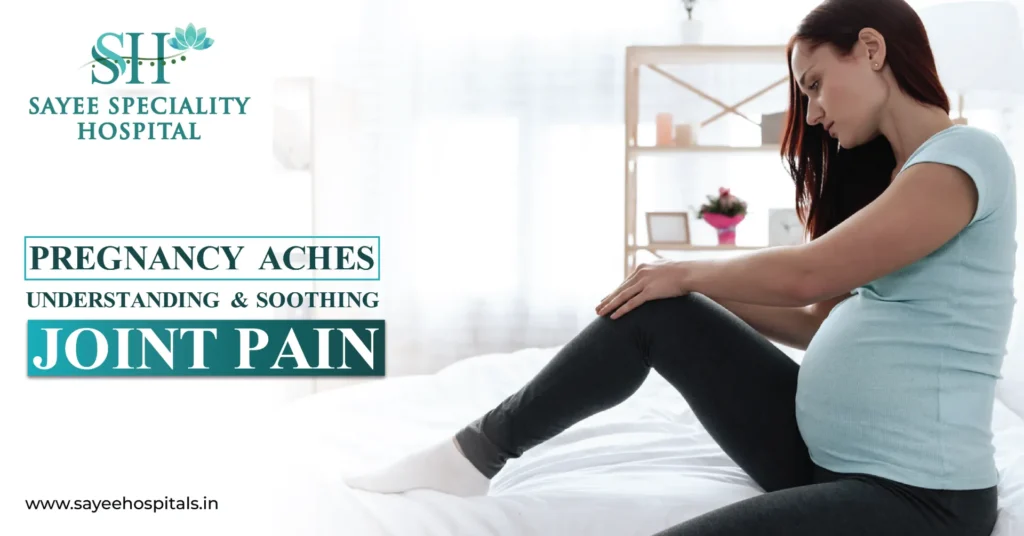
Pregnancy Aches: Understanding And Soothing Joint Pain
Nobody warns you quite thoroughly enough about the joint pain. The nausea, the fatigue, the back ache. those get mentioned. But the specific experience of your hips feeling like they might simply give way when you roll over in bed at 3am, or your pelvis aching after a ten minute walk that would have been nothing six months ago, that tends to catch people off guard.
Joint pain during pregnancy is genuinely common, it’s well understood, and there’s quite a lot that can be done about it. Here’s the full picture.
The short answer is: hormones, weight, and geometry. All three arrive together, and all three contribute.
The hormone most directly responsible is relaxin, a name that sounds pleasant enough until you understand what it actually does at scale. Relaxin causes the ligaments throughout the body to loosen and become more pliable. The primary purpose is entirely sensible: the pelvis needs to widen enough to accommodate childbirth, and rigid ligaments won’t allow that. But relaxin isn’t selective. It loosens ligaments everywhere hips, knees, ankles, the pubic symphysis and ligaments are what give joints their stability. Progesterone compounds this effect. The result is joints that feel subtly unstable in ways they never did before, moving slightly differently, loading unevenly, and getting irritated more easily.
Then the centre of gravity shifts. As the uterus grows, the body’s entire weight distribution changes. The lower back curves more dramatically, the pelvis tilts forward, the abdominal muscles stretch and lose some of their ability to support the spine from the front. Posture changes not by choice, but because the body is compensating for the shifting load. Those compensatory postural changes create new stress points, and those stress points become pain points.
Weight gain adds the third layer. Joints that were managing fine under a pre pregnancy load are now managing more, and the increase is concentrated in the front of the body, where the usual muscular support is already compromised.
Lower back pain is the most commonly reported, and for understandable reasons, the lumbar spine is bearing the brunt of the postural change, the ligament laxity, and the additional load simultaneously. It often starts as a dull persistent ache that worsens toward the end of the day or after periods of standing.
The sacroiliac joints, the points where the sacrum meets the pelvis on either side are another primary site. SI joint pain typically presents as a deep ache in the lower back or buttock area, sometimes radiating down into the thigh. It can feel worse going up stairs, getting in and out of cars, or turning over in bed.
Symphysis pubis dysfunction, or SPD, affects the joint at the front centre of the pelvis. The pubic symphysis softens and widens under the influence of relaxin, and in some women this process causes significant pain a sharp, sometimes debilitating discomfort in the front of the pelvis that radiates into the inner thighs and makes walking, particularly anything involving one leg at a time like stairs or getting dressed, genuinely difficult. SPD is underreported because many women assume pelvic pain is just part of pregnancy. It isn’t something that has to simply be tolerated.
Hip pain is common for similar reasons ligament laxity plus altered gait plus weight gain equals joints that are working harder than usual in positions they’re not accustomed to. Knee pain tends to follow weight gain and gait change, particularly in the third trimester when both are most significant.
The most effective approach combines a few different strategies rather than relying on any single one.
Posture and movement are genuinely the foundation. Prenatal yoga and Pilates are consistently recommended not because they’re trendy but because they specifically address the muscular support structures that pregnancy compromises deep core muscles, pelvic floor, hip stabilisers. Swimming and hydrotherapy are particularly valuable in later pregnancy because the water offloads the joints while allowing real movement. The general principle is: keep moving, because inactivity allows those supporting muscles to weaken further, which worsens the joint pain over time.
Postural correction matters more than most people appreciate. Simple adjustments, how you sit at a desk, how you get up from a chair, distributing weight evenly rather than habitually shifting to one hip, reduce the cumulative load on joints that are already under strain. A physiotherapist with prenatal experience can assess your specific movement patterns and identify what’s loading your joints unevenly.
Supportive equipment makes a meaningful difference in the second and third trimesters. A maternity support belt or belly band takes some of the abdominal load off the lower back and pelvis, which many women find genuinely helpful during longer periods of standing or walking. A pregnancy pillow, or simply a regular pillow placed between the knees when sleeping on your side, reduces the rotational strain on the hips and SI joints overnight, which is often when the discomfort is most disruptive.
Heat is safe and effective for muscular and joint aches during pregnancy, applied to the hips, lower back, or knees. A heating pad on a low to medium setting or a warm bath with Epsom salts can ease both muscle tension and joint discomfort. The important caveat: heat should never be applied directly to the abdomen, and very hot baths anything that raises core body temperature significantly are not recommended during pregnancy.
Prenatal massage, performed by a therapist specifically trained in pregnancy massage, addresses the muscular tightness that builds up around strained joints. It’s not a luxury for women dealing with significant musculoskeletal discomfort, it’s a legitimate and effective management tool.
For pain that needs medication, paracetamol (acetaminophen) is generally considered the safest option during pregnancy when used short term and at the recommended dose. NSAIDs like ibuprofen are best avoided during the third trimester due to potential effects on fetal kidney function and premature closure of the ductus arteriosus. Always confirm with your doctor or midwife before taking anything, including over the counter medication.
Most pregnancy related joint pain is musculoskeletal and manageable. But there are presentations worth flagging rather than assuming they’re routine.
Severe symphysis pubis pain that limits your ability to walk or bear weight should be assessed, a referral to a pelvic health physiotherapist can make an enormous difference. Joint pain accompanied by significant swelling, redness, or warmth in a specific joint warrants review to rule out other causes. Any pain that’s interfering substantially with sleep, daily function, or your ability to stay active is worth discussing rather than silently enduring.
The general principle throughout pregnancy is that you don’t have to simply accept discomfort as inevitable. A lot of pregnancy joint pain is genuinely addressable, it just requires the right combination of support, movement, and occasionally professional input.
Joint pain in pregnancy is common, it’s well understood, and for almost all women it resolves after delivery as hormones normalise and the body gradually returns to its pre pregnancy mechanics. What you’re managing in the meantime is temporary, even when it doesn’t feel that way at 38 weeks.
The women who navigate it most comfortably are generally the ones who start the strengthening work early, don’t ignore symptoms when they first appear, and put together a practical toolkit of support rather than waiting to see how bad it gets. Early, consistent management almost always produces better outcomes than catching up after the fact.
Recent Posts
Lower Back Pain Causes, Diagnosis, and Treatment Almost...

Strep Throat: Symptoms, Diagnosis, and Treatment Sore throats...
Understanding Menorrhagia: Causes, Diagnosis, and Treatment Most women...

Your Posture Is Destroying Your Spine Before 40...