Rhabdomyolysis In Children: Causes, Symptoms, And Response
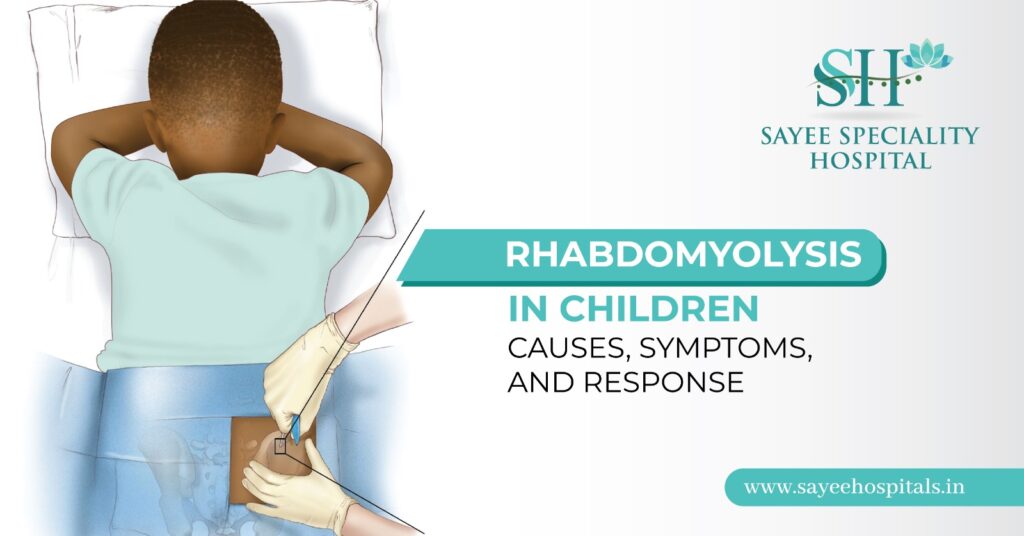
Rhabdomyolysis is a rare yet serious condition involving excessive muscle breakdown, potentially leading to kidney injury or failure. Children may develop rhabdomyolysis due to various factors such as infections, exercise, muscle injury, medications, or genetic conditions.
Mechanism and Effects:
- Excessive muscle breakdown releases myoglobin into the bloodstream, overwhelming kidneys and potentially causing damage.
- Prompt treatment is crucial to prevent severe kidney injury or
Causes:
- Trauma-crush injury, burns or electrocution or sepsis
- Infection: Commonly linked to flu-like viruses such as influenza or Epstein Barr
- High intense exercise or Muscle Strain: Rapid increase in activity after inactivity, compounded by factors like dehydration or underlying medical conditions.
- Medications: Certain drugs like neuroleptics, isotretinoin, corticosteroids, or anesthesia may trigger rhabdomyolysis.
- Genetic Conditions: Inheritable disorders increasing susceptibility to
- Extremes of temperature
Signs and Symptoms:
- Initial signs may include severe body aches during an
- Watch for muscle tenderness, weakness, joint pain, swelling, difficulty walking, and changes in urine color or output.
Response:
- Encourage rest and hydration for mild symptoms, avoiding strenuous activity until fully
- Seek immediate medical evaluation if signs of rhabdomyolysis are present, especially with muscle weakness, dark urine, or decreased urine output.
Diagnosis and Treatment:
Diagnosis involves blood work to assess muscle breakdown, electrolyte levels, and kidney function. Treatment typically requires hospitalization, rest, IV fluids, and close monitoring until symptoms resolve. We have to treat the underlying cause.