

Rhabdomyolysis In Children: Causes, Symptoms, And Response
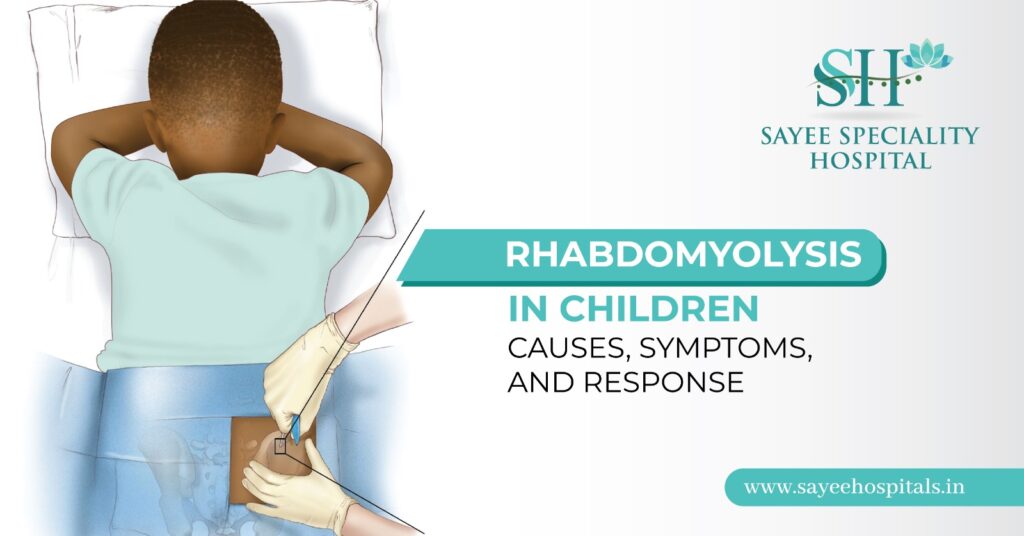
Rhabdomyolysis In Children: Causes, Symptoms, And Response Rhabdomyolysis is a rare yet serious condition involving excessive muscle breakdown, potentially leading to kidney injury or failure. Children may develop rhabdomyolysis due to various factors such as infections, exercise, muscle injury, medications, or genetic conditions. Mechanism and Effects: Excessive muscle breakdown releases myoglobin into the bloodstream, overwhelming kidneys and potentially causing damage. Prompt treatment is crucial to prevent severe kidney injury or Causes: Trauma-crush injury, burns or electrocution or sepsis Infection: Commonly linked to flu-like viruses such as influenza or Epstein Barr High intense exercise or Muscle Strain: Rapid increase in activity after inactivity, compounded by factors like dehydration or underlying medical conditions. Medications: Certain drugs like neuroleptics, isotretinoin, corticosteroids, or anesthesia may trigger rhabdomyolysis. Genetic Conditions: Inheritable disorders increasing susceptibility to Extremes of temperature Signs and Symptoms: Initial signs may include severe body aches during an Watch for muscle tenderness, weakness, joint pain, swelling, difficulty walking, and changes in urine color or output. Response: Encourage rest and hydration for mild symptoms, avoiding strenuous activity until fully Seek immediate medical evaluation if signs of rhabdomyolysis are present, especially with muscle weakness, dark urine, or decreased urine output. Diagnosis and Treatment: Diagnosis involves blood work to assess muscle breakdown, electrolyte levels, and kidney function. Treatment typically requires hospitalization, rest, IV fluids, and close monitoring until symptoms resolve. We have to treat the underlying cause. Recent Posts The Silent Emergency: Understanding Ovarian Torsion THE SILENT EMERGENCY: UNDERSTANDING OVARIAN TORSION Most people have never heard of ovarian torsion. And… Influenza In Children: Causes, Symptoms, And Prevention Influenza In Children: Causes, Symptoms, And Prevention Influenza, commonly known as the flu, is a… Sacroiliac Joint Pain: Causes, Diagnosis, And Treatment Sacroiliac Joint Pain: Causes, Diagnosis, And Treatment The sacroiliac (SI) joint plays a crucial role… Safe And Effective Exercises During Pregnancy Safe And Effective Exercises During Pregnancy Staying active throughout pregnancy offers a range of benefits…
Interventional Pain Management Treatments
Interventional Pain Management Treatments Interventional pain management is a specialized field of medicine that employs minimally invasive techniques to diagnose and treat various types of pain. This approach can provide significant relief for patients suffering from acute or chronic pain, thereby improving their quality of life. At its core, interventional pain management harnesses the body’s natural healing mechanisms to aid recovery and uses pain-blocking techniques to make everyday activities less challenging.Interventional pain management involves a range of procedures designed to interrupt pain signals, reduce inflammation, and promote healing. These treatments are generally considered when pain is severe enough to interfere with daily activities and when other forms of treatment have proven ineffective. The methods used in interventional pain management vary in terms of invasiveness, allowing for tailored approaches based on each patient’s specific condition and symptoms. Common Interventional Pain Management Techniques • Nerve Blocks: Nerve blocks are used to interrupt pain signals traveling along nerves to the brain. These can be minimally invasive and provide short-term relief lasting hours or days. More invasive nerve blocks may require surgical procedures and offer long-term or permanent pain relief. • Infusions: Infusions involve delivering pain-relief medications directly into the body. Intrathecal infusions are administered into the subarachnoid space in the brain, while epidural infusions are used in the spinal cord. These treatments are typically for immediate postoperative pain management. • Injections: Common types of injections include epidural steroid injections, facet joint injections, and trigger point injections. These injections target specific pain spots and generally contain a numbing agent and a steroid to reduce inflammation and provide pain relief. • Radiofrequency Ablation: This technique treats pain, particularly in the lower back and neck, often due to arthritis. It uses radio waves to produce an electrical current that heats a small area of nerve tissue, decreasing pain signals from that region. • Spinal Cord Stimulation: This method involves applying gentle electrical currents to the source of chronic pain. Electrical leads are placed near the spinal column, and a small generator is inserted into the abdomen or buttock. The generator emits electrical signals that block the brain’s perception of pain. • Peripheral Nerve Field Stimulation: Similar to spinal cord stimulation, this treatment is localized to other body parts. Electrical leads are placed close to the pain source, following a similar process to spinal cord stimulation. Interventional pain management offers a broad spectrum of treatments that can significantly alleviate pain and restore patients’ quality of life. By tailoring treatments to individual needs and conditions, healthcare providers can offer effective, minimally invasive options for those suffering from severe pain. If you’re struggling with chronic or acute pain and traditional treatments haven’t worked, interventional pain management may provide the relief you need. Always consult with a healthcare professional to determine the best approach for your specific situation. Recent Posts The Silent Emergency: Understanding Ovarian Torsion THE SILENT EMERGENCY: UNDERSTANDING OVARIAN TORSION Most people have never heard of ovarian torsion. And… Influenza In Children: Causes, Symptoms, And Prevention Influenza In Children: Causes, Symptoms, And Prevention Influenza, commonly known as the flu, is a… Sacroiliac Joint Pain: Causes, Diagnosis, And Treatment Sacroiliac Joint Pain: Causes, Diagnosis, And Treatment The sacroiliac (SI) joint plays a crucial role… Safe And Effective Exercises During Pregnancy Safe And Effective Exercises During Pregnancy Staying active throughout pregnancy offers a range of benefits…
Sleeping Comfortably With A Broken Bone
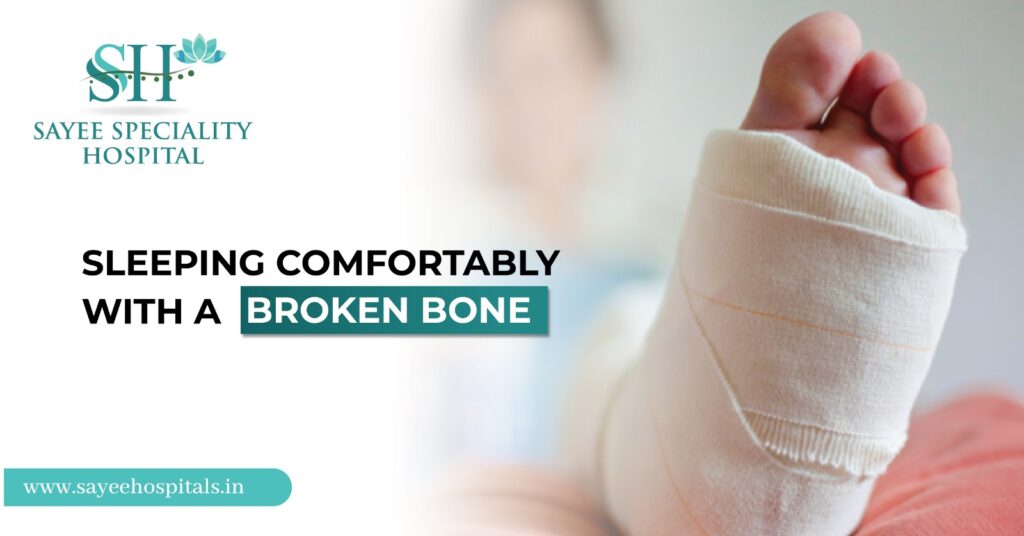
Sleeping Comfortably With A Broken Bone Sleeping comfortably with a broken bone can be challenging due to soreness and the discomfort of wearing a cast. However, getting adequate rest is crucial for healing. Here are some tips to help you sleep better while dealing with a fracture:Pre-Bedtime Preparations: • Pain Management: Take prescribed pain medication before bed to reduce discomfort.• Comfortable Clothing: Wear light, loose-fitting clothing to stay cool, as casts can make you feel hot.• Sleep Hygiene: Create a relaxing sleep environment by adjusting the room’s temperature, dimming the lights, and minimizing noise. Stick to a regular sleep schedule and limit screen time before bed.• Elevation and Support: Elevating the injured limb is essential to prevent swelling by reducing blood pooling around the fracture. Use pillows, blankets, or cushions to support and elevate the fracture while sleeping:• Arm or Leg Fractures: Prop the casted limb on a pillow or cushion, ensuring it is elevated above heart level. Adding extra pillows can help keep the limb comfortably supported. Collarbone Fractures: • Sleep upright, either in a recliner or propped up with pillows in bed. Place pillows on both sides of your body to keep still and use a firm pillow to support your shoulder.Hip Fractures: • Lie on your back with the injured leg straight. To prevent leg rotation, place a pillow outside the knee on the side of the hip injury and another pillow between your knees. Additional Tips: • Joint Movement: Move the joints above and below the cast to improve circulation and prevent stiffness.• Keep the Cast Dry: Protect your cast or splint from moisture during bathing by covering it with a plastic bag and securing it with tape. By following these tips, you can enhance comfort, support healing, and ensure a better night’s sleep despite the challenges of having a broken bone. Recent Posts The Silent Emergency: Understanding Ovarian Torsion THE SILENT EMERGENCY: UNDERSTANDING OVARIAN TORSION Most people have never heard of ovarian torsion. And… Influenza In Children: Causes, Symptoms, And Prevention Influenza In Children: Causes, Symptoms, And Prevention Influenza, commonly known as the flu, is a… Sacroiliac Joint Pain: Causes, Diagnosis, And Treatment Sacroiliac Joint Pain: Causes, Diagnosis, And Treatment The sacroiliac (SI) joint plays a crucial role… Safe And Effective Exercises During Pregnancy Safe And Effective Exercises During Pregnancy Staying active throughout pregnancy offers a range of benefits…
Understanding And Treating Vaginismus: A Comprehensive Guide
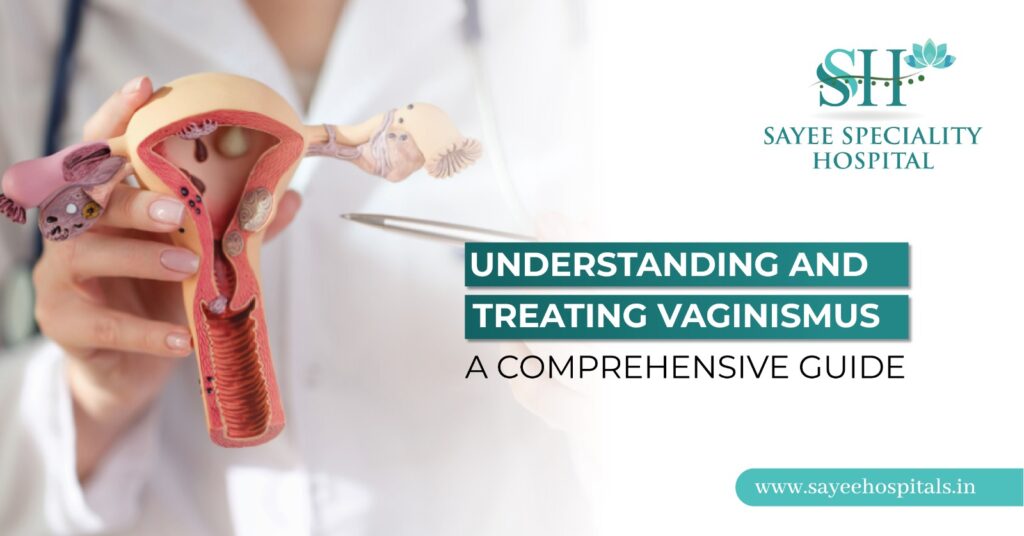
Understanding And Treating Vaginismus: A Comprehensive Guide Vaginismus is a condition that involves involuntary contractions of the vaginal muscles, making penetration—whether during intercourse, tampon use, or gynecological exams—painful or even impossible. This condition can significantly affect intimate experiences in daily life. Types and Symptoms of Vaginismus Vaginismus comes in two primary forms: • Primary Vaginismus: Present from the onset of sexual activity, causing pain or difficulty with penetration from the first attempt.• Secondary Vaginismus: Develops later in life, often after a period of pain-free penetration, triggered by physical or emotional factors. Common symptoms include: • Pain or a burning sensation during penetration attempts.• A feeling of tightness or a physical barrier in the vagina.• Intense fear or anxiety about penetration.• Difficulty or inability to insert tampons.• Pain during pelvic examination.• Involuntary tensing of thigh, abdominal, or buttock muscles. Causes of Vaginismus Vaginismus is multifaceted, with causes ranging from psychological to physical: • Psychological Factors: History of sexual trauma, anxiety, or negative beliefs about sex.• Physical Factors: Infections, hormonal imbalances, or complications from childbirth.• Experiential Factors: Traumatic early sexual experiences or strict cultural beliefs. Treatment Options for Vaginismus Vaginismus is treatable with various therapeutic approaches: • Pelvic Floor Physical Therapy: Focuses on relaxing and controlling the pelvic muscles through exercises, manual therapy, and biofeedback.• Vaginal Dilators: Gradual insertion of cylindrical devices to help desensitize the body and make penetration more comfortable.• Cognitive Behavioral Therapy (CBT): Aims to change negative thought patterns and anxieties related to penetration, often including education and relaxation techniques.• Mindfulness and Relaxation Techniques: Practices like deep breathing and meditation to reduce anxiety and muscle tension.• Topical Anesthetics: Numbing agents applied to the vaginal area to manage pain and break the pain-fear cycle.Vaginismus is a challenging condition, but with the right treatment and support, many women can overcome it and reclaim their sexual health and well-being. Understanding the condition and seeking appropriate medical intervention is key to recovery Recent Posts The Silent Emergency: Understanding Ovarian Torsion THE SILENT EMERGENCY: UNDERSTANDING OVARIAN TORSION Most people have never heard of ovarian torsion. And… Influenza In Children: Causes, Symptoms, And Prevention Influenza In Children: Causes, Symptoms, And Prevention Influenza, commonly known as the flu, is a… Sacroiliac Joint Pain: Causes, Diagnosis, And Treatment Sacroiliac Joint Pain: Causes, Diagnosis, And Treatment The sacroiliac (SI) joint plays a crucial role… Safe And Effective Exercises During Pregnancy Safe And Effective Exercises During Pregnancy Staying active throughout pregnancy offers a range of benefits…
Essential Strategies For Managing Food Allergies In Children
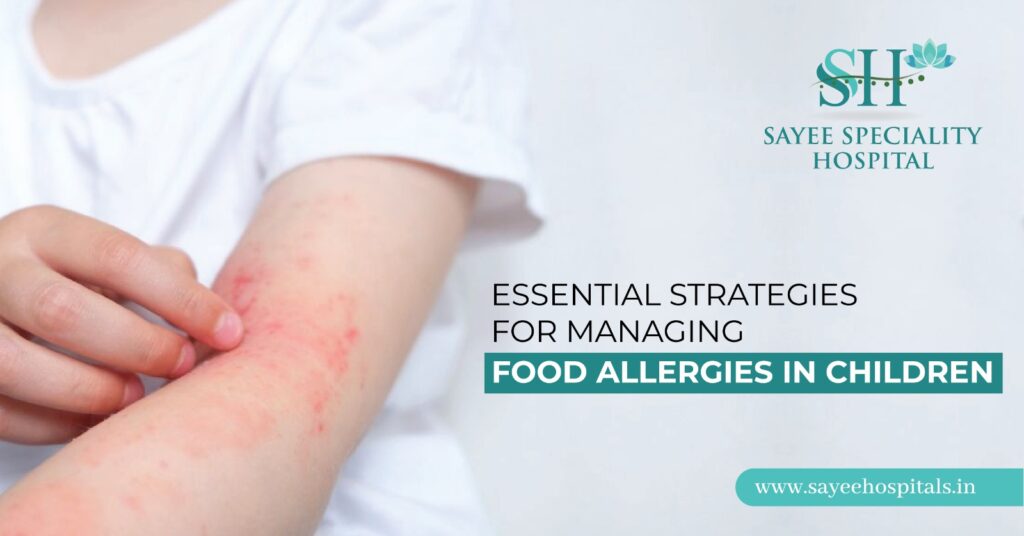
Essential Strategies For Managing Food Allergies In Children Managing food allergies in children is crucial for their health and well-being. Here’s a comprehensive guide to help parents navigate this challenge effectively:Understand Food Allergies Food allergies occur when the immune system overreacts to specific food proteins, leading to symptoms ranging from mild irritation to severe anaphylaxis. Common allergens include milk, eggs, peanuts, tree nuts, soy, wheat, fish, and shellfish. Recognizing these triggers is vital for effective management.Recognize Symptoms Symptoms of food allergies can vary from mild to severe and may include: • Hives• Swelling• Difficulty breathing• Nausea and vomiting • DiarrheaSevere reactions, such as anaphylaxis, require immediate medical attention. Administer prescribed emergency medications like epinephrine and seek professional help promptly.Get an Accurate Diagnosis Consult a paediatrician or allergist for proper diagnosis. Allergy testing methods include: • Skin Prick Test: Quick and results are available in 15-20 minutes.• Blood Tests: Useful for detecting allergens, especially in asthmatic children.• Elimination Tests: Removing suspected allergens from the diet to observe improvements.• Food Challenge Tests: Administering allergens under medical supervision to identify reactions.Avoid Triggers Once allergens are identified, avoid exposure by: • Reading food labels thoroughly to spot allergens.• Teaching your child to recognize and avoid these allergens.• Communicating with restaurant staff about food allergies and opting for allergen-free menu options.• Preparing meals at home to control ingredients and avoid cross-contamination.Create an Emergency Plan Develop a plan detailing: • Education about the symptoms• How to administer emergency treatments.• Contact information for emergency services and your child’s allergist. Seek Treatment Options While no cure exists, treatments can reduce reaction severity: • Oral Immunotherapy (OIT): Gradual exposure to allergens to build tolerance.• Medications: Antihistamines and other drugs to manage symptoms.Teach Allergy Management Equip your child with skills to handle their allergies, such as: • Recognizing allergens• Reading labels• Communicating their needs• Role-play scenarios to build their confidence and independence in managing their condition.Stay Informed Keep updated with the latest research and guidelines on food allergies. Engage with support groups and healthcare providers for ongoing support and information.By understanding symptoms, securing accurate diagnoses, avoiding triggers, preparing for emergencies, exploring treatment options, and educating your child, you can effectively manage their food allergies and ensure their well-being. Recent Posts Navigating a high-risk pregnancy Navigating a high-risk pregnancy A pregnancy is classified as high-risk when either the mother or… The Silent Emergency: Understanding Ovarian Torsion THE SILENT EMERGENCY: UNDERSTANDING OVARIAN TORSION Most people have never heard of ovarian torsion. And… Influenza In Children: Causes, Symptoms, And Prevention Influenza In Children: Causes, Symptoms, And Prevention Influenza, commonly known as the flu, is a… Sacroiliac Joint Pain: Causes, Diagnosis, And Treatment Sacroiliac Joint Pain: Causes, Diagnosis, And Treatment The sacroiliac (SI) joint plays a crucial role…
Understanding Anterior Cruciate Ligament (ACL) Tears: Causes,Diagnosis, And Treatment
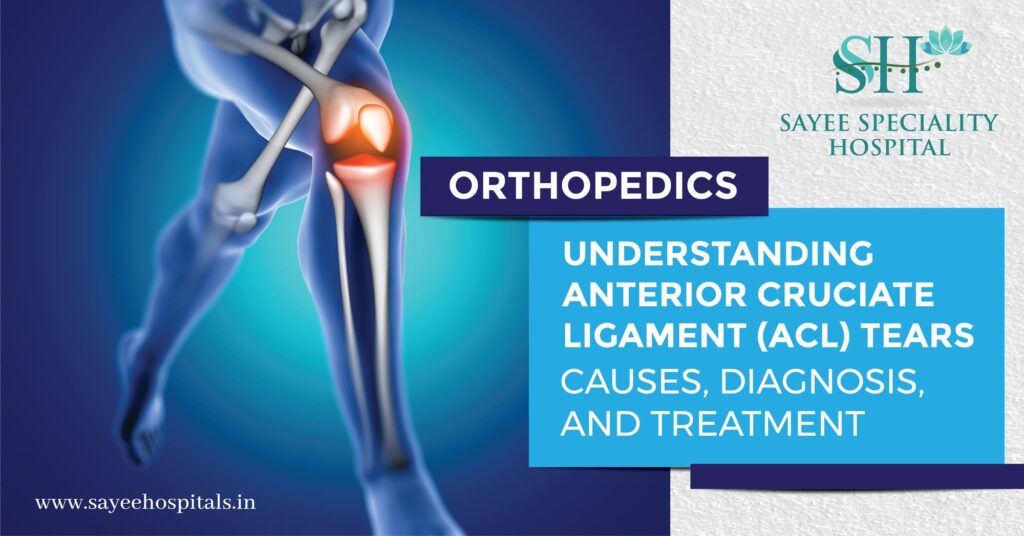
Understanding Anterior Cruciate Ligament (ACL) Tears: Causes,Diagnosis, And Treatment The Anterior Cruciate Ligament (ACL) is a vital structure located in the center of the knee, playing a pivotal role in controlling rotation and forward movement of the tibia (shin bone). ACL tears are common, often resulting from sports-related injuries, road traffic accidents, falls, or work-related incidents involving sudden changes in direction or abrupt actions like landing from a jump. Causes and Risk Factors: ACL tears typically occur during activities such as sudden shifts in direction, landing on one leg, direct hits to a hyperextended knee, repeated stress, or falls. Notably, female athletes are three times more likely to experience ACL injuries than their male counterparts. High-thrust sports like football, basketball, volleyball, and tennis pose a higher risk. Previous ACL injuries increase the likelihood of re-tearing, with a 15% higher risk than tearing a normal ACL. Age also plays a role, with the age group of 15-45 being particularly vulnerable due to an active lifestyle and increased sports participation. Symptoms and Grades of Injury: Common symptoms of an ACL tear include a loud “popping sound” in the knee, severe pain, knee buckling, and rapid swelling. ACL tears are classified into three grades: Grade 1: Minor tear with tenderness and swelling. Grade 2: Incomplete tear with increased anterior translation around the knee joint. Grade 3: Complete tear, causing joint instability, severe tenderness, and pronounced swelling. Diagnosis and Treatment: To diagnose ACL tears, medical history, physical examination, MRI scans, and X-rays are utilized. Treatment options vary based on the grade of the injury and patient preferences. Non-surgical options may suffice for individuals with low functional demands, while surgical intervention is recommended for those wishing to resume sports activities. ACL Reconstruction Surgery: ACL reconstruction involves removing the damaged ligament and replacing it with a segment of tendon, known as a graft. The surgery is considered successful in stabilizing the knee and preventing repetitive dislocations. Sockets or tunnels are drilled into the thighbone and shinbone to position the graft accurately, secured with screws or fixation devices. Rehabilitation: Rehabilitation is divided into two phases: Acute Phase/Conservative Management: Goals include reducing swelling, maintaining muscle power, and ensuring proper blood circulation. Exercises focus on static quads, ankle movements, knee flexion/extension, patellar mobilizations, and more. Postoperative Phase: Goals involve educating patients about the rehabilitation protocol, quadriceps exercises, knee swinging, strengthening, and improving posterior knee stability.Exercises include isometrics, straight leg raises, range of motion activities, knee extension exercises, and strengthening exercises using stationary bicycles, swimming, and treadmills. Anterior Cruciate Ligament tears are prevalent injuries with significant implications, particularly in the realm of sports. Understanding the causes, risk factors, symptoms, and treatment options is crucial for effective management. Whether opting for surgical or non-surgical interventions, a comprehensive rehabilitation program is essential to restore functionality and ensure a successful recovery. Recent Posts Navigating a high-risk pregnancy Navigating a high-risk pregnancy A pregnancy is classified as high-risk when either the mother or… The Silent Emergency: Understanding Ovarian Torsion THE SILENT EMERGENCY: UNDERSTANDING OVARIAN TORSION Most people have never heard of ovarian torsion. And… Influenza In Children: Causes, Symptoms, And Prevention Influenza In Children: Causes, Symptoms, And Prevention Influenza, commonly known as the flu, is a… Sacroiliac Joint Pain: Causes, Diagnosis, And Treatment Sacroiliac Joint Pain: Causes, Diagnosis, And Treatment The sacroiliac (SI) joint plays a crucial role…
Preserving Bone Health In Your Golden Years: A Comprehensive Guide

Preserving Bone Health In Your Golden Years: A Comprehensive Guide As the pillars of our body’s structure, bones provide crucial support, mobility, and protection. However, as we age, our bones naturally undergo changes, becoming more vulnerable to conditions like osteoporosis and fractures. The good news is that adopting simple yet effective strategies can significantly contribute to maintaining strong and healthy bones in our golden years. Calcium and Vitamin D-Rich Diet: Calcium is a fundamental mineral for bone health, serving as a building block for our skeletal system. Vitamin D aids in the absorption and utilization of calcium. Include calcium-rich foods in your diet, such as dairy products (milk, yogurt, cheese), leafy green vegetables (kale, broccoli), fortified foods (cereals, plant-based milk alternatives), tofu, fatty fish, and more. Ensure sufficient vitamin D intake through sunlight exposure (10 to 15 minutes a few times a week) and foods like egg yolk, mushrooms, and cod liver oil. Consider supplements after consulting your healthcare provider if your diet falls short. Weight-Bearing Exercises: Regular physical activity, especially weight-bearing exercises, plays a pivotal role in maintaining bone strength. Engage in activities like jogging, walking, dancing, and weightlifting to stimulate bone growth and prevent loss. Aim for at least 150 minutes of moderate-intensity aerobic exercise (brisk walking, swimming) or 75 minutes of vigorous activity (running) weekly. Incorporate strength training exercises to further enhance musculoskeletal health. Smoking and Alcohol Cessation: Smoking diminishes bone density over time, while alcohol interferes with calcium absorption, reducing bone formation. Quit smoking to preserve bone density and limit alcohol consumption to moderate levels for optimal bone health. Regular Bone Density Scans: Bone density testing, such as DEXA scans, is vital for assessing bone health and detecting early signs of osteoporosis. Consult your orthopedic or primary care doctors to determine the appropriate frequency of DEXA scans based on your risk factors and medical history. Early detection enables preventive measures to be taken before bone-related issues worsen. Preserving bone health is a proactive journey that involves a combination of dietary choices, physical activity, and lifestyle modifications. As we embrace our golden years, prioritizing these strategies empowers us to maintain strong and resilient bones, reducing the risk of osteoporosis and fractures. Regular consultations with healthcare providers, bone density scans, and a holistic approach to well-being contribute to a vibrant and active life in the later stages. Recent Posts Navigating a high-risk pregnancy Navigating a high-risk pregnancy A pregnancy is classified as high-risk when either the mother or… The Silent Emergency: Understanding Ovarian Torsion THE SILENT EMERGENCY: UNDERSTANDING OVARIAN TORSION Most people have never heard of ovarian torsion. And… Influenza In Children: Causes, Symptoms, And Prevention Influenza In Children: Causes, Symptoms, And Prevention Influenza, commonly known as the flu, is a… Sacroiliac Joint Pain: Causes, Diagnosis, And Treatment Sacroiliac Joint Pain: Causes, Diagnosis, And Treatment The sacroiliac (SI) joint plays a crucial role…
DILATION AND CURETTAGE (D&C): Understanding the procedure,preparation , and aftercare
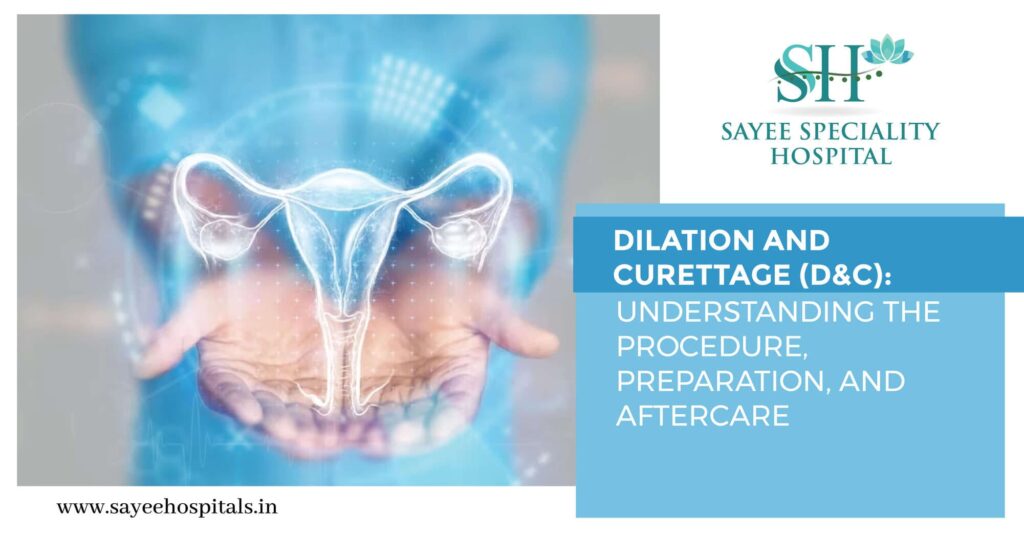
DILATION AND CURETTAGE (D&C): Understanding the procedure,preparation , and aftercare Dilation and Curettage (D&C) is a surgical procedure frequently recommended by gynecologists for diagnostic and therapeutic purposes. Whether performed to investigate abnormal bleeding or as part of a comprehensive treatment plan, understanding the procedure, preparation steps, and potential risks is crucial for individuals considering or undergoing D&C. D&C Indications: D&C serves various purposes, including diagnosing abnormal bleeding; addressing extended uterine bleeding, managing bleeding after menopause, and clearing the uterus post-miscarriage or abortion. Additionally, it aids in the removal of placental tissue after delivery and removal of cervical or uterine polyps. In some cases, a D&C may be coupled with a hysteroscopy for a comprehensive diagnostic evaluation using a camera-equipped scope. Preparing for D&C: Preparation for a D&C involves several steps to ensure a safe and successful procedure. Patients may undergo blood tests or physical examinations to assess overall health. Depending on the case, D&C can be performed as an outpatient procedure, but hospitalization might be necessary for additional tests or interventions. Preoperative precautions include abstaining from food and drink for a specified duration. Medication adjustments, especially for blood thinners, are made under the guidance of the healthcare provider. The D&C Procedure: During a D&C, patients change into a hospital gown and lie on the operating table with their feet in stirrups. The procedure is conducted under general anesthesia or an epidural. The doctor inserts a speculum to open the cervix and dilation is done. Tissue removal is accomplished through suction or a curette. The extracted tissue is then sent to a laboratory for further analysis. After the procedure, patients are monitored in the recovery room before being discharged. Post-D&C Recovery: Recovery from D&C is typically swift, with patients going home within a few hours. Expected post-procedure experiences include mild pain, light bleeding, or spotting. A support person is recommended for the day, and normal activities can resume in a day or two. Menstrual periods may be slightly delayed following a D&C. However, if heavy bleeding, extreme pain, fever, or abnormal discharge occurs, immediate medical attention is essential. Advantages of D&C: D&C offers several advantages, making it a standard and effective surgical procedure. It minimizes pain, discomfort, and the risk of infections after a miscarriage. The procedure aids in diagnosing gynecological issues like abnormal bleeding and provides valuable samples for biopsy. Notably, D&C is quick, often requiring no hospital stay. Risks of D&C: While generally safe, D&C carries potential risks. Excessive bleeding may occur if the uterine lining is perforated during the procedure. The dilation of the cervix raises the risk of infection, emphasizing the need for temporary abstinence from sex and tampon use. In rare instances, scar tissue formation, known as Asherman’s syndrome, may impact fertility. Allergic reactions to anesthesia represent another rare, but potential risk. Dilation and Curettage (D&C) is a versatile and commonly recommended procedure in gynecology. Understanding its indications, preparation steps, and potential risks empowers individuals facing this surgical intervention. By addressing queries with healthcare providers and being mindful of post-procedure signs, patients can navigate the D&C process with confidence, ensuring both diagnostic clarity and effective therapeutic outcomes. Recent Posts Navigating a high-risk pregnancy Navigating a high-risk pregnancy A pregnancy is classified as high-risk when either the mother or… The Silent Emergency: Understanding Ovarian Torsion THE SILENT EMERGENCY: UNDERSTANDING OVARIAN TORSION Most people have never heard of ovarian torsion. And… Influenza In Children: Causes, Symptoms, And Prevention Influenza In Children: Causes, Symptoms, And Prevention Influenza, commonly known as the flu, is a… Sacroiliac Joint Pain: Causes, Diagnosis, And Treatment Sacroiliac Joint Pain: Causes, Diagnosis, And Treatment The sacroiliac (SI) joint plays a crucial role…
How to instill lifelong nutrition in kids
How to instill lifelong nutrition in kids In the whirlwind of modern family life, finding the right balance between convenience and nutrition can be challenging. However, prioritizing healthy eating for kids doesn’t have to be an uphill battle. By incorporating six key strategies into your daily routine, you can pave the way for a lifetime of smart eating habits. 1.Embrace the Power of Family Meals The timeless tradition of family meals serves as a cornerstone for fostering healthy relationships with food. Not only do they provide a sense of comfort and routine, but they also offer a platform for parents to become positive role models. Studies show that kids who engage in regular family meals are more likely to choose nutritious options and steer clear of unhealthy snacks. Even with busy schedules, strive to make family meals a priority, creating an environment where new foods can be introduced, and healthy eating behaviors can be modeled. 2.Tips for Successful Family Meals: Make mealtime a calm and friendly experience, free from lectures or arguments. Involve kids in meal planning and preparation to instill a sense of ownership and curiosity about different foods. Allow teens to invite friends to dinner, transforming family meals into enjoyable social occasions. 3.Stock Up on Healthy Choices Control the supply lines of your household by ensuring that nutritious options are readily available. Younger children, especially, tend to eat what’s accessible at home. Aim for at least five servings of fruits and vegetables daily, and keep wholesome snacks like yogurt, nuts, and whole-grain crackers within reach. Opt for lean meats, fish, eggs, beans, and nuts as protein sources, and choose whole-grain options to increase fiber intake. Limit the presence of fried foods, opting instead for healthier cooking methods, and encourage hydration with water and low-fat milk. 4.Be a Positive Role Model Children emulate the behaviors they witness daily. Demonstrate the importance of healthy eating by incorporating a balanced diet into your own lifestyle. Encourage appropriate portion sizes and mindful eating habits. By adopting a positive attitude towards food, you contribute to shaping your child’s perception of nutrition and well-being. 5.Sidestep Food Battles Strive to create a harmonious relationship with food by avoiding power struggles. Allow kids some control over their meals, empowering them to decide when they are hungry and what they will eat from the options provided. Establishing a predictable schedule for meals and snacks eliminates the need for bargaining, and resisting the urge to force children to finish their plates promotes a healthy understanding of fullness. 6.Involve Kids in the Journey Engaging kids in the process of meal planning and preparation imparts valuable lessons about nutrition. Encourage them to make choices, understand food labels, and participate in age-appropriate kitchen tasks. By involving children in these activities, you not only teach them practical skills but also lay the foundation for making informed food choices as they grow older. Incorporating these strategies into your family’s routine can set the stage for a lifetime of healthy eating habits. Nurturing a positive relationship with food involves more than just providing nutritious options; it’s about creating an environment where children feel empowered to make choices that support their well-being. By embracing family meals, stocking up on healthy foods, being a positive role model, avoiding food battles, and involving kids in the process, you can pave the way for a future generation that understands and appreciates the importance of smart eating. Recent Posts Navigating a high-risk pregnancy Navigating a high-risk pregnancy A pregnancy is classified as high-risk when either the mother or… The Silent Emergency: Understanding Ovarian Torsion THE SILENT EMERGENCY: UNDERSTANDING OVARIAN TORSION Most people have never heard of ovarian torsion. And… Influenza In Children: Causes, Symptoms, And Prevention Influenza In Children: Causes, Symptoms, And Prevention Influenza, commonly known as the flu, is a… Sacroiliac Joint Pain: Causes, Diagnosis, And Treatment Sacroiliac Joint Pain: Causes, Diagnosis, And Treatment The sacroiliac (SI) joint plays a crucial role…
Vaginal health: A Comprehensive Guide For Women
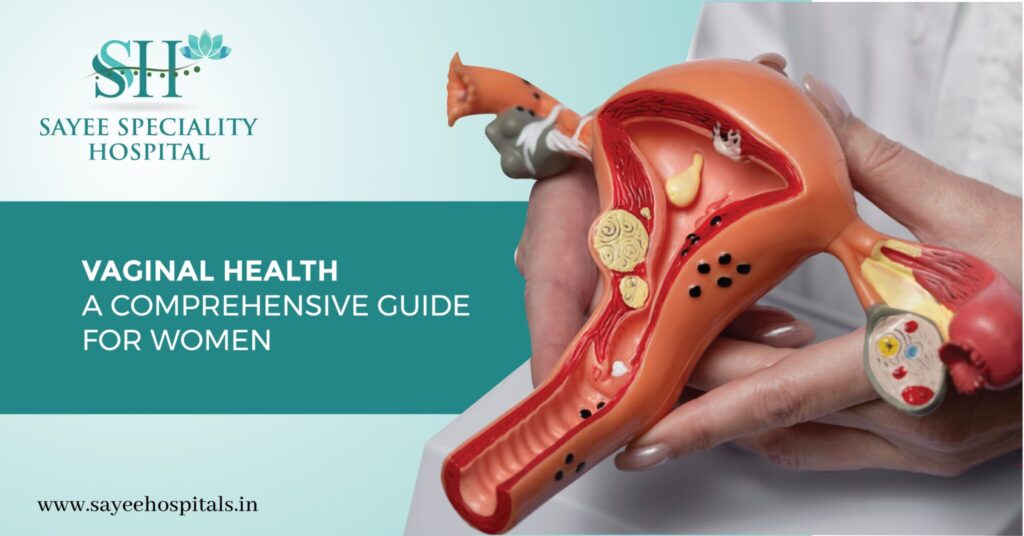
Vaginal health: A Comprehensive Guide For Women The vagina, an intricate and muscular canal, is a vital component of the reproductive anatomy in individuals assigned female at birth (AFAB). While commonly used as an umbrella term for female reproductive organs, it’s crucial to acknowledge that the vagina is just one aspect of a woman’s reproductive and sexual health, intricately connected to both external and internal systems. Composition of the Vagina Comprising various tissues and cells, the vagina orchestrates the secretion of fluids essential for maintaining moisture, elasticity, and overall health of the vaginal walls. Responsive to estrogen, the hormone levels naturally fluctuate during reproductive years, impacting the vaginal environment. Post-menopause, decreased estrogen levels can lead to thinning and drying of vaginal walls, necessitating interventions like lubricants and estrogen-replacement therapy. The Vagina’s Role in the Reproductive System Sexual Pleasure: The vagina facilitates sexual pleasure through nerve endings in its walls. During arousal, the vagina expands and lubricates to prevent discomfort. Menstruation: Blood from the shedding uterus lining exits through the vagina during menstruation. Menstrual hygiene products manage blood flow during this phase. Pregnancy: Sperm deposited in the vagina during intercourse may travel to the uterus for fertilization. The vagina acts as a conduit for sperm to reach the egg. Childbirth: In childbirth, the vagina serves as the birth canal through which the baby exits the maternal pelvis. Understanding “Normal” Women’s concerns about genital appearance and odor are often rooted in societal perceptions. Genital diversity is entirely normal, and variations exist. Vaginal odor can fluctuate during the menstrual cycle. However, any unusual or unpleasant odor warrants consultation with a healthcare provider. Protecting Vaginal Health: Practical Tips Safe Sex: Use barrier methods like condoms to prevent sexually transmitted infections (STIs). Hygiene Practices: Gently clean the external genital area with mild, fragrance-free soap and water. Avoid douching too much to maintain the natural balance of vaginal bacteria. Hydration: Drink plenty of water to support overall bodily functions, including vaginal health. Clothing Choices: Opt for breathable fabrics like cotton underwear to reduce moisture. Balanced Diet: Consume a nutritious diet rich in fruits, vegetables, and whole grains. Regular Exercise: Engage in physical activity to enhance blood circulation and support vaginal health. Kegel Exercises: Strengthen pelvic floor muscles for improved bladder control and vaginal tone. Regular Check-ups: Schedule routine gynecological exams for timely detection and management of issues. Avoid Harsh Chemicals: Choose hypoallergenic products for personal care and laundry. Stress Management: Practice stress-relief techniques to support overall well-being. Infection Awareness: Seek prompt medical attention for suspected infections like yeast infections or bacterial vaginosis. Stay Informed: Educate yourself on menstrual hygiene and choose sanitary products wisely. Antibiotic Use: Take antibiotics as prescribed, mindful of potential disruptions to vaginal bacteria. Healthy Sexual Practices: Communicate openly with your partner about sexual health and protection. Recognizing the vagina as a self-cleaning organ, prioritizing hygiene, maintaining a healthy lifestyle, and being vigilant about sexual health contribute to overall well-being. Any deviations from what’s considered normal for an individual should prompt consultation with a healthcare provider. By nurturing vaginal health, women can confidently embrace their reproductive and sexual vitality. Recent Posts Navigating a high-risk pregnancy Navigating a high-risk pregnancy A pregnancy is classified as high-risk when either the mother or… The Silent Emergency: Understanding Ovarian Torsion THE SILENT EMERGENCY: UNDERSTANDING OVARIAN TORSION Most people have never heard of ovarian torsion. And… Influenza In Children: Causes, Symptoms, And Prevention Influenza In Children: Causes, Symptoms, And Prevention Influenza, commonly known as the flu, is a… Sacroiliac Joint Pain: Causes, Diagnosis, And Treatment Sacroiliac Joint Pain: Causes, Diagnosis, And Treatment The sacroiliac (SI) joint plays a crucial role…