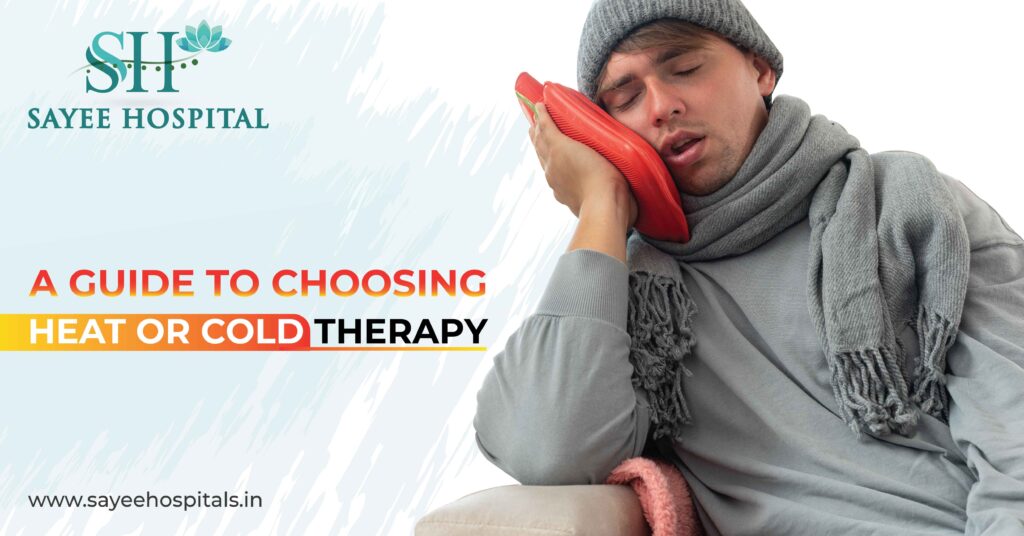
It’s one of those decisions that sounds simple until you’re actually standing in front of the freezer at midnight, ankle swollen, wondering whether to grab the ice pack or dig out the heating pad. Most people just guess. And honestly, guessing wrong doesn’t ruin anything, but getting it right genuinely speeds up recovery, sometimes by a meaningful amount.
So here’s a straightforward breakdown of how both actually work, when to use each one, and what to avoid.
Heat Therapy What It Does and When It Helps
Heat works by drawing more blood to an area. Warmth causes blood vessels to dilate, circulation increases, and muscles, which are essentially protein fibres that respond directly to temperature begin to relax and lengthen. Tissue becomes more pliable, stiffness eases, and that deep aching tension that builds up in overworked muscles starts to loosen its grip.
That’s why heat is the right choice for chronic pain, muscle tightness, and joint stiffness, the kind of discomfort that’s been sitting there for days, not hours. A stiff lower back on a cold morning, persistent neck tension from desk work, achy joints flaring up in winter. These are heat situations.
There are two ways to apply it, dry heat, like electric heating pads or heat patches, and moist heat, like a warm damp towel, a hot bath, or a steam pack. Moist heat tends to penetrate deeper into the tissue in less time, which is why a long hot bath often feels more effective than a heating pad on a sore back. For most applications, 15 to 20 minutes is enough. Warm, not hot, if it’s uncomfortable to hold against your skin, it’s too hot.
The one firm rule: never apply heat to an acute injury. Fresh swelling, bruising, or a recently injured area still generating inflammation, heat makes all of that worse. It increases blood flow to a site that’s already overloaded with it.
Cold Therapy What It Does and When It Helps
Cold does the opposite. It constricts blood vessels, reduces blood flow to the area, and slows the inflammatory response. That’s exactly what you want in the first 24 to 72 hours after an acute injury a sprained ankle, a pulled muscle, a knocked knee. The goal in those early hours isn’t comfort so much as damage control. Limiting the extent of swelling and inflammation in that initial window affects how quickly the tissue heals afterward.
Cold also numbs the nerve endings in the treated area, which gives fairly immediate short-term pain relief. That’s the secondary benefit, the primary one is managing the inflammatory response while it’s still acute.
At home, always put something between the ice pack and your skin, a folded tea towel works fine. Direct ice to skin contact, especially for longer than a few minutes, can cause ice burns and superficial tissue damage. Keep applications to 10 to 20 minutes, and repeat several times across the day rather than leaving it on continuously.
Where cold goes wrong: applying it to stiff muscles or chronic joint problems. Cold tightens tissue. On a muscle that’s already tight, that just makes things worse and can increase the risk of a strain if you then try to move.
The Easy Rule to Remember
If it’s new, it’s swollen, it just happened use cold.
If it’s been there a while, it’s stiff, it aches without swelling, use heat.
And if you’re genuinely unsure whether an injury is acute or chronic, default to cold in the first 48 hours, then reassess.
Who Should Be Careful
Both therapies are generally safe for healthy adults, but a few groups need to think more carefully before using them.
People with diabetes, peripheral vascular disease, or any condition that affects nerve sensation need to be cautious with both. Reduced sensation means you may not feel the warning signs of skin damage, burning or frostbite, until it’s already happened. If there’s any numbness or circulation issues in the area you’re treating, check with your doctor first.
Anyone with a heart condition or high blood pressure should get professional guidance before using saunas, hot baths, or cold immersion. Sudden temperature extremes place real demand on the cardiovascular system, vasodilation from heat and vasoconstriction from cold both affect how hard the heart has to work.
And practically speaking: if you’re using cold therapy and the injury isn’t improving after 48 hours, that’s a prompt to seek proper assessment. If heat has been your go to for a pain that’s persisted beyond a week without improvement, that’s also worth getting looked at. Both therapies manage symptoms, they don’t fix underlying problems.