

Exploring the spectrum of anesthesia: understanding the different types and their applications

Exploring the spectrum of anesthesia: understanding the different types and their applications Anesthesia is a critical component of modern medical procedures; ensuring patients are comfortable and pain-free during surgery or diagnostic tests. The choice of anesthesia is influenced by several factors, including the nature of the procedure, the patient’s health, and personal preferences. Here, we delve into the various types of anesthesia and their distinct applications, shedding light on the crucial role they play in the medical realm. General Anesthesia: The Comprehensive Approach General anesthesia is the most widely recognized type, primarily employed in major surgical procedures, such as abdominal surgeries, heart surgeries, and various cancer treatments. Essential for life-saving interventions, it renders the patient unconscious while slowing down vital functions. Administered by a skilled anesthesiologist via a mask or IV, this anesthesia type necessitates close monitoring of heart rate, blood pressure, and breathing throughout the procedure. A tube may be inserted into the throat to facilitate breathing. The vigilant anesthesiologist ensures a smooth transition as the patient regains consciousness, managing potential post-operative symptoms like nausea, vomiting, and discomfort. Sedation: Comfort and Mild Relaxation Sedation, a subset of anesthesia, is frequently used for less complex procedures, where deep anesthesia isn’t required, but local anesthetic falls short. Also known as monitored anesthesia care, conscious sedation, or twilight sedation, this technique induces relaxation and, in some cases, mild sleepiness. Patients remain conscious, unlike general anesthesia. Sedation, often combined with analgesics, is suitable for minor surgeries, biopsies, and exploratory procedures. Administered via IV, it offers a quicker recovery and fewer side effects compared to general anesthesia. As patients, understanding the levels of sedation is crucial: Minimal Sedation: Patients relax but remain awake and involved in the procedure. Moderate Sedation: Drowsiness may lead to light sleep during the procedure, with variable memory retention. Deep Sedation: Patients sleep through the procedure, often with limited recollection. Regional Anesthesia: Precision and Awake Awareness Regional anesthesia targets a specific area, typically numbing a substantial part of the body, such as the lower torso. Injected through a catheter or injection, it is employed when local anesthetic is insufficient, providing an alternative to general anesthesia. Widely used in childbirth, epidurals and spinal blocks offer pain relief during labor and cesarean deliveries. This approach ensures the mother remains awake and capable of pushing while minimizing the baby’s exposure to sedatives. Regional anesthesia is notably safe, devoid of the complications associated with other forms, but still requires careful monitoring by a qualified anesthesiologist. Regional anesthesia, such as spinal blocks and epidurals, is ideal for numbing larger areas, particularly during childbirth. Administered by an anesthesiologist, regional anesthesia offers a balance of pain relief and awareness, making it a safer alternative to sedation and general anesthesia. With proper monitoring and care, regional anesthesia ensures a smooth and comfortable experience for the patient. In the intricate world of anesthesia, each type has its role, making modern medical procedures manageable and efficient. Whether it’s the comprehensive approach of general anesthesia, the controlled comfort of sedation, or the precision of regional anesthesia, these techniques are orchestrated by skilled anesthesiologists, ensuring patients receive optimal care and pain management during their medical journey. Recent Posts Navigating a high-risk pregnancy Navigating a high-risk pregnancy A pregnancy is classified as high-risk when either the mother or… The Silent Emergency: Understanding Ovarian Torsion THE SILENT EMERGENCY: UNDERSTANDING OVARIAN TORSION Most people have never heard of ovarian torsion. And… Influenza In Children: Causes, Symptoms, And Prevention Influenza In Children: Causes, Symptoms, And Prevention Influenza, commonly known as the flu, is a… Sacroiliac Joint Pain: Causes, Diagnosis, And Treatment Sacroiliac Joint Pain: Causes, Diagnosis, And Treatment The sacroiliac (SI) joint plays a crucial role…
Navigating a high-risk pregnancy

Navigating a high-risk pregnancy A pregnancy is classified as high-risk when either the mother or the child is experiencing or expected to encounter health complications prior to, during, or following delivery. In these circumstances, close surveillance of the expectant mother is crucial throughout the entire pregnancy to prevent circumstances that could heighten the associated risks. HERE are several factors that can contribute to a high-risk pregnancy: Unhealthy lifestyle choices: Eating junk food and gaining more weight-obese mothers; if the mother engages in the use of illicit drugs, smoking cigarettes, or consuming alcohol. Age: Both very young (below 17) and advanced maternal age (after 30) are associated with a higher likelihood of experiencing a high-risk pregnancy. Pre-existing health conditions: If the mother has conditions such as hypertension, obesity, depression, thyroid disease, epilepsy, heart problems, or is underweight. Pregnancy complications: These may include abnormal placental positioning, restricted fetal growth, rh sensitization (when the mother’s blood type is rh-negative and the baby’s is rh-positive), and mothers’ complications. Multiple pregnancies: The presence of twins or more increases the chances of a high-risk pregnancy. History of previous pregnancy complications: If the mother has experienced premature birth, genetic abnormalities, or premature labor in a previous pregnancy, these issues may recur in subsequent pregnancies as well. If an expectant mother or a woman planning for pregnancy believes that she may be exposed to one or several of the aforementioned factors, there are measures she can take to reduce the likelihood of a high-risk pregnancy. Here are a few recommendations: Preconception checkup: It is essential for the woman to undergo a comprehensive checkup conducted by a qualified gynecologist. This checkup will assess her overall health, including factors such as weight, vitamin and mineral levels, and hormone balance. Various laboratory tests may be conducted to gather necessary information. Prenatal care: Prenatal care should not be overlooked as it plays a crucial role in ensuring a healthy pregnancy. The pregnant woman should regularly visit her doctor for continuous monitoring of her and her baby’s well-being. Common tests during prenatal care may include prenatal cell-free DNA (cfDNA) screening, invasive genetic screening, ultrasound for cervical length, specialized or targeted ultrasound, biophysical profile, and more. Healthy diet: During pregnancy, it is crucial for the mother to avoid addictive substances such as cigarettes, alcohol, and drugs. If she is taking medications for conditions like depression or other illnesses that may impact the pregnancy, she must consult with her doctor to assess their safety. Following a healthy diet rich in nutrients and vitamins is often beneficial in preventing a high-risk pregnancy. The gynecologist may recommend consulting with a nutritionist who can provide a personalized diet plan for the woman to follow throughout and after the pregnancy. Symptoms that may indicate a high-risk pregnancy include: Acute headaches Vaginal bleeding or watery vaginal discharge Lower abdominal cramps Painful urination Blurred vision and dizziness Sudden swelling in hands, fingers, and face Reduced fetal movement Severe and persistent nausea Fever with chills In conclusion, timely intervention and ongoing vigilance greatly reduce the likelihood of a high-risk pregnancy. It is important to be aware of the causes and attend regular prenatal appointments to maintain control. Additionally, adopting healthy lifestyle practices such as yoga, meditation, a balanced diet, maintaining a positive mindset, and avoiding addictive substances can also help women prevent a high-risk pregnancy. Recent Posts Navigating a high-risk pregnancy THE SILENT EMERGENCY: UNDERSTANDING OVARIAN TORSION Most people have never heard of ovarian torsion. And… The Silent Emergency: Understanding Ovarian Torsion THE SILENT EMERGENCY: UNDERSTANDING OVARIAN TORSION Most people have never heard of ovarian torsion. And… Influenza In Children: Causes, Symptoms, And Prevention Influenza In Children: Causes, Symptoms, And Prevention Influenza, commonly known as the flu, is a… Sacroiliac Joint Pain: Causes, Diagnosis, And Treatment Sacroiliac Joint Pain: Causes, Diagnosis, And Treatment The sacroiliac (SI) joint plays a crucial role…
Unveiling the role of anesthesiologists: guardians of safe surgery
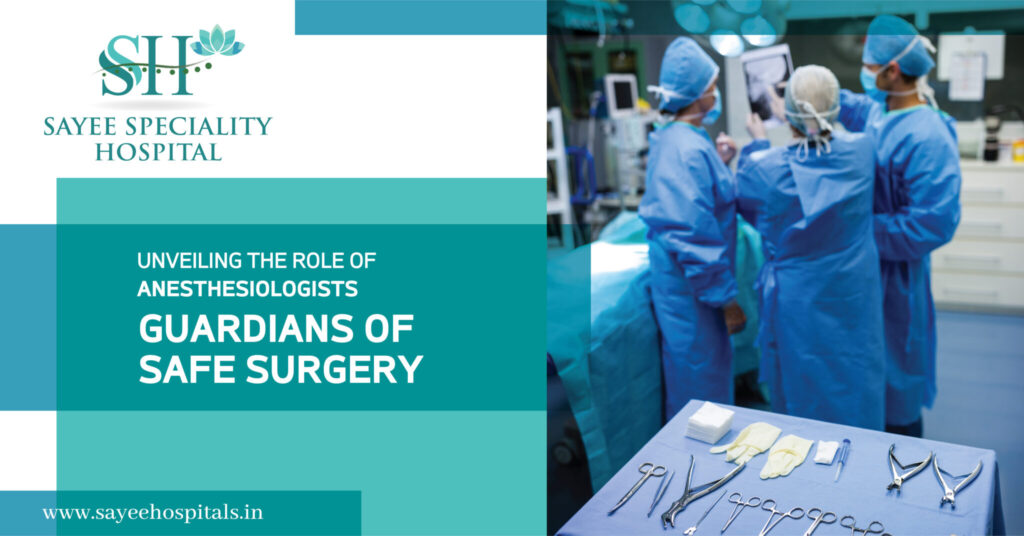
Unveiling the role of anesthesiologists: guardians of safe surgery In the world of surgical procedures, surgeons often take center stage, rightfully hailed as the superheroes of the operating room. However, many patients are unaware of another group of doctors who work diligently behind the scenes, ensuring that the surgeon remains a hero in their eyes. These doctors are known as anesthesiologists. An anesthesiologist is a highly skilled specialist doctor responsible for the care and safety of patients undergoing surgical procedures. Considered as perioperative physicians, anesthesiologists provide medical care to patients throughout their surgical experience. Their primary objective is to ensure that patients do not experience any painful aspects of the surgery, instead focusing on the successful outcome. According to the American Society of Anesthesiologists (ASA), anesthesiology is defined as the practice of medicine dedicated to the relief of pain and comprehensive care of the surgical patient before, during, and after surgery. Anesthesiologists play a crucial role in preparing surgical patients for the physical and mental stresses of their procedures. They monitor patients’ bodily functions, determine the best approach to treat vital organs, and administer a balance of medications tailored to individual needs. By closely monitoring patients, they ensure that vital organs continue to function optimally throughout the surgical process. Their constant vigilance maintains the appropriate depth of anesthesia; ensuring patients remain safe under the surgeon’s blade. Anesthesiologists induce sleep and ensure patients wake up pain-free after the trauma of surgery, creating the ideal conditions for a safe and successful procedure. However, the role of anesthesiologists extends far beyond the confines of the operating room. A recent survey revealed that five billion people worldwide lack access to safe and affordable anesthesia and surgical care. In India, for example, there is only one anesthesiologist for every one hundred thousand individuals. Despite these challenges, these highly skilled professionals have expanded their expertise beyond traditional boundaries. Anesthesiologists specializing in critical care are known as intensivists. They play a pivotal role in managing patients in critical care units (ICUs), where their expertise is crucial in ensuring patient stability and recovery. Additionally, anesthesiologists have become instrumental in various domains: Chronic Pain Management: Anesthesiologists are actively involved in managing chronic pain, developing personalized treatment plans to alleviate suffering and improve quality of life. Obstetrics Pain Management (Labour Analgesia): Anesthesiologists provide pain relief techniques during childbirth, ensuring expectant mothers experience a more comfortable delivery process. Palliative Care Management: Anesthesiologists contribute to palliative care, helping patients with chronic or life-limiting illnesses manage their pain and improve their quality of life. Emergency Management: With their expertise in critical care and resuscitation, anesthesiologists play a vital role in emergency medicine, stabilizing patients and ensuring timely interventions. Disaster Management: Anaesthesiologists are crucial in disaster response, providing medical care and expertise in mass casualty situations, ensuring efficient triage and treatment. Anesthesiologists truly embody the phrase, “a physician to a surgeon and a surgeon to a physician.” Their work can be compared to that of an airplane pilot—while smooth flights are the norm, they are prepared for any eventuality. Although rare, each critical moment demands their focused attention and expertise. With their comprehensive knowledge and dedication to patient care, anesthesiologists play an indispensable role in the medical field. Sayee Hospitals has a team of anesthesiologists who are dedicated and experts in their chosen field. Recent Posts The Silent Emergency: Understanding Ovarian Torsion THE SILENT EMERGENCY: UNDERSTANDING OVARIAN TORSION Most people have never heard of ovarian torsion. And… Influenza In Children: Causes, Symptoms, And Prevention Influenza In Children: Causes, Symptoms, And Prevention Influenza, commonly known as the flu, is a… Sacroiliac Joint Pain: Causes, Diagnosis, And Treatment Sacroiliac Joint Pain: Causes, Diagnosis, And Treatment The sacroiliac (SI) joint plays a crucial role… Safe And Effective Exercises During Pregnancy Safe And Effective Exercises During Pregnancy Staying active throughout pregnancy offers a range of benefits…
Enhancing social skills in children with autism spectrum

Enhancing social skills in children with autism spectrum Autism Spectrum Disorder (ASD) is a neuro developmental condition impacting communication, social interaction, and behavior. Children with ASD often struggle with crucial social skills such as communication, empathy, self-awareness, and self-regulation, making it challenging for them to form relationships and navigate social situations. However, there are effective strategies that parents and educators can employ to help children with ASD improve their social skills. Scientific-Evidence based Therapies Behavioral and Communication Approaches: Applied Behavior Analysis (ABA): This widely utilized approach incorporates discreet trial training and pivotal response treatment. Developmental Individual Difference, Relationship-based (DIR or Floortime): This approach focuses on individual differences and building relationships through interactive play and communication. Early Start Denver Model (ESDM): Specifically designed for young children with autism, ESDM combines behavioral and developmental principles to enhance social and cognitive skills. Treatment and Education of Autistic and Related Communication-Handicapped Children (TEACCH): TEACCH emphasizes structured teaching methods and visual supports to promote independence and communication. Alternative/Augmentative Communication Strategies: Picture Exchange Communication System (PECS): This method utilizes visual symbols to facilitate communication for individuals with limited verbal skills. Sensory Integration Therapy: This therapy targets sensory needs by providing specific sensory experiences to enhance self-regulation and adaptive responses. Cognitive Behavior Therapy: Cognitive behavior therapy focuses on addressing cognitive distortions and modifying maladaptive behaviors through targeted interventions. Medications: Medications may be prescribed to manage associated symptoms such as inattention, hyperactivity, and self-injurious behavior. These therapies and interventions are grounded in scientific evidence and have been utilized in various therapeutic contexts to support individuals with diverse needs. Role-Playing: Role-playing is a valuable technique that enables children to practice social skills, including initiating conversations, sharing, and taking turns. To ensure its effectiveness: Select relevant scenarios that align with the child’s life and social goals to boost engagement and motivation. Utilize visual aids such as pictures or written scripts to enhance understanding and reduce anxiety. Provide positive feedback throughout the activity to reinforce positive behaviors and foster motivation. Gradually increase the difficulty of scenarios to promote skill development. Encourage the application of learned social skills to real-life situations for increased confidence and independence. Peer-Mediated Instruction and Intervention (PMII): PMII involves training typically developing peers to work with children with ASD, modeling appropriate behaviors, providing feedback, and reinforcing positive social interactions. This structured approach: Engages children with ASD and their peers in joint social and academic activities. Teaches peers specific strategies for interacting with children with ASD, such as modeling, prompting, and using visual supports. Is led by trained professionals who guide and support both peers and children with ASD. Facilitates the generalization of learned skills to other settings and interactions with peers. Visual Supports: Visual supports, including picture schedules, social stories, visual timers, and communication aids, play a vital role in helping children with ASD understand social situations and appropriate behaviors. Key types of visual supports include: Picture schedules: Show the sequence of activities in routines, aiding anticipation and comprehension. Social stories: Short narratives explaining social situations and appropriate behaviors. Visual timers: Enhance time management and understanding of activity duration. Communication aids: Assist in expressing needs, wants, and emotions effectively. Behavior supports: Utilize charts or token systems to manage behavior and reinforce positive actions. Social skills supports: Employ visual aids, such as social stories, picture prompts, and videos, for teaching social skills. Social Skills Groups: Structured social skills groups led by professionals provide children with ASD opportunities to practice social skills, such as conversation initiation, sharing, and turn-taking, in a supportive environment. Parent Training: Parent training equips parents with strategies to support their child’s social development, including encouraging social interactions and providing positive reinforcement for appropriate behaviors. Video Modeling: Video modeling involves showing children with ASD video clips of appropriate social behaviors, enhancing learning in a visual and concrete manner. Sensory Integration Therapy: Sensory integration therapy helps children with ASD who struggle with processing sensory information, enabling them to regulate sensory input and improve social engagement. Implementing these strategies requires individualization based on each child’s needs, strengths, and weaknesses. Meaningful and engaging implementation, tailored to the child, is crucial. Ongoing support and reinforcement, such as praise and rewards, are essential to encourage and sustain progress. For comprehensive management and support, book an appointment with Paediatric specialists at Sayee Hospitals to learn more about autism and its management. Recent Posts The Silent Emergency: Understanding Ovarian Torsion THE SILENT EMERGENCY: UNDERSTANDING OVARIAN TORSION Most people have never heard of ovarian torsion. And… Influenza In Children: Causes, Symptoms, And Prevention Influenza In Children: Causes, Symptoms, And Prevention Influenza, commonly known as the flu, is a… Sacroiliac Joint Pain: Causes, Diagnosis, And Treatment Sacroiliac Joint Pain: Causes, Diagnosis, And Treatment The sacroiliac (SI) joint plays a crucial role… Safe And Effective Exercises During Pregnancy Safe And Effective Exercises During Pregnancy Staying active throughout pregnancy offers a range of benefits…
Identifying and treating foot and hand pain
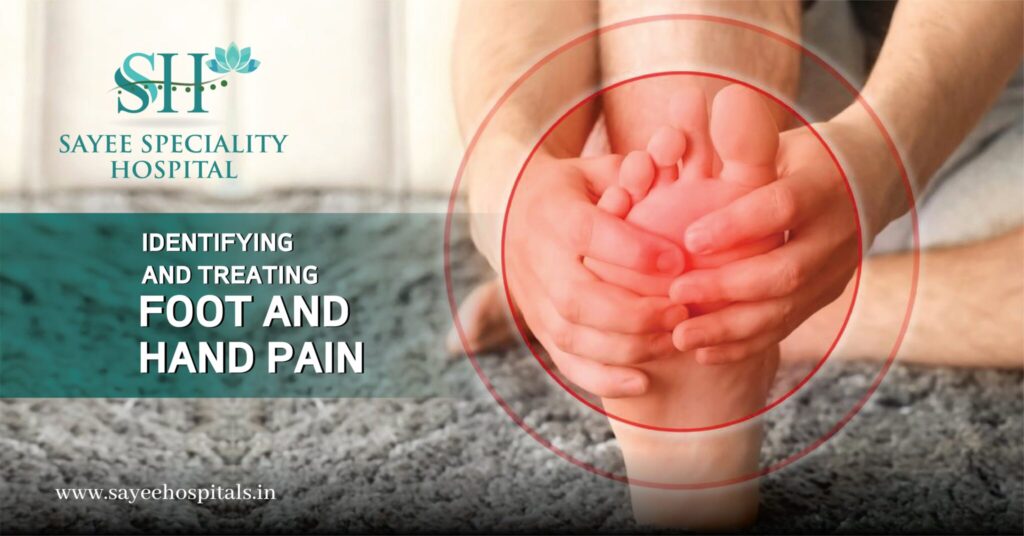
Identifying and treating foot and hand pain Foot and hand pain can be a debilitating issue, affecting various aspects of daily life. These areas of the body are complex, consisting of an intricate network of bones, joints, muscles, and soft tissues that can become inflamed or damaged due to injury or progressive diseases. It is crucial for physicians to accurately identify the underlying cause of foot and hand pain in order to provide appropriate and effective treatment. In this comprehensive article, we will delve into the top causes of foot and hand pain that are commonly treated by orthopedic doctors. Overuse Injuries: Overuse injuries are a frequent occurrence among athletes, manual laborers, and individuals who engage in repetitive movements as part of their daily activities. Activities such as running, jumping, or even typing for long hours can put strain on the muscles and tendons in the hands and feet. Over time, this repetitive stress can lead to irritation, inflammation, and subsequent pain. Common overuse injuries include sprains, strains, and tendonitis. It is essential to recognize and address these injuries promptly to prevent further complications and promote optimal healing. Arthritis: Arthritis is a leading cause of foot and hand pain, particularly among the elderly population. This condition involves inflammation of the joints, resulting in pain, stiffness, and reduced mobility. Osteoarthritis is the most prevalent form of arthritis and is typically associated with wear and tear on the joints over time. Rheumatoid arthritis, an autoimmune disease, primarily affects the joints in the hands and feet and can cause significant pain and deformity. Orthopedic doctors employ various treatment modalities to manage arthritis symptoms, enhance joint function, and improve the overall quality of life for patients. Nerve Damage: Nerve damage can be an underlying cause of hand and wrist pain. Carpal tunnel syndrome is a well-known condition characterized by pain, tingling, and numbness in the hand. It occurs when the median nerve, which passes through the carpal tunnel in the wrist, becomes compressed or inflamed due to repetitive hand movements or prolonged pressure. If left untreated, carpal tunnel syndrome can result in permanent nerve damage. Orthopedic doctors employ both conservative measures and surgical interventions to relieve pressure on the nerve and alleviate symptoms. Fractures: Fractures, or broken bones, can cause significant foot and hand pain. Stress fractures, often observed in athletes, occur due to repetitive strain or overuse. Falls, high-speed sports, direct blows, or accidents can cause larger fractures. Prompt medical attention is crucial for proper diagnosis and treatment of fractures. Depending on the severity and location of the fracture, treatment options may include immobilization, casting, or surgical intervention. Orthopedic doctors are skilled in assessing fractures and implementing appropriate management strategies to promote healing and restore function. If you are experiencing foot and hand pain, it is imperative to consult with an orthopedic doctor who specializes in treating these conditions. They possess the expertise and knowledge to accurately diagnose the underlying cause of your symptoms and provide targeted treatment options for effective relief. At Sayee Hospitals, our orthopedic surgeons are dedicated to addressing a wide range of upper extremity conditions, sports injuries, and traumatic injuries that can cause foot and hand pain. With specialized expertise in hand and upper extremity care, spine care, and sports medicine, our physicians provide comprehensive diagnostics, treatment, and rehabilitation services. We understand the impact of foot and hand pain on your daily life and are committed to your recovery and well-being. To schedule an appointment with one of our experienced orthopedic surgeons, please call our office today. Our friendly staff is ready to assist you and ensure that you receive the personalized care you deserve. Sayee Hospitals—your trusted partner in foot and hand pain management and recovery. Recent Posts The Silent Emergency: Understanding Ovarian Torsion THE SILENT EMERGENCY: UNDERSTANDING OVARIAN TORSION Most people have never heard of ovarian torsion. And… Influenza In Children: Causes, Symptoms, And Prevention Influenza In Children: Causes, Symptoms, And Prevention Influenza, commonly known as the flu, is a… Sacroiliac Joint Pain: Causes, Diagnosis, And Treatment Sacroiliac Joint Pain: Causes, Diagnosis, And Treatment The sacroiliac (SI) joint plays a crucial role… Safe And Effective Exercises During Pregnancy Safe And Effective Exercises During Pregnancy Staying active throughout pregnancy offers a range of benefits…
Boosting fertility: effective tips for a healthy pregnancy journey

THE SILENT EMERGENCY: UNDERSTANDING OVARIAN TORSION Most people have never heard of ovarian torsion. And that’s a problem — because when it happens, you don’t get the luxury of time to Google your symptoms, call your mum, or wait until Monday to see your GP. This is the kind of emergency that unfolds in hours, not days, and the difference between keeping your ovary and losing it often comes down to a single decision: going to A&E now, or convincing yourself it’ll pass. So let’s talk about it properly. What’s Actually Happening Inside the Body Your ovaries aren’t free-floating — they’re held in position by a set of ligaments that keep everything anchored within the pelvic cavity. Think of it like a suspension system. When ovarian torsion occurs, one ovary rotates around those ligaments, essentially twisting itself. That twist clamps down on the blood vessels feeding the ovary — the arteries and veins that keep the tissue alive. Once blood flow is cut off, you’re on a clock. The ovarian tissue starts to starve. Without oxygenated blood reaching it, ischemia sets in, and if the torsion isn’t surgically corrected in time, that tissue dies — a process called necrosis. At that point, the ovary typically can’t be saved. Surgeons estimate the window between symptom onset and permanent organ loss can be as short as six hours in severe cases. Sometimes less. That’s not a lot of time to second-guess yourself. The Pain — and Why It’s So Easy to Dismiss The most recognisable sign is sudden, one-sided pelvic pain. Not gradual. Not a slow build. It hits fast, and when women describe it, they consistently reach for words like “stabbing,” “sharp,” or simply “the worst pain I’ve ever felt.” It usually settles on whichever side the affected ovary is on, but it can radiate — into the lower back, along the flank, sometimes down toward the inner thigh. What catches a lot of people off guard is something called intermittent torsion, or torsion-detorsion. The ovary twists, then untwists on its own. The pain eases. And naturally, you think whatever was wrong has sorted itself out. But that’s not what’s happening — each episode is causing further damage, and the risk of a full, irreversible torsion climbs with each cycle. Feeling better for a few hours doesn’t mean you’re out of danger. Alongside the pain, most women also experience nausea and vomiting — often severe enough to be mistaken for food poisoning or a stomach bug. Fever and abnormal bleeding can appear in later stages, once tissue breakdown has already begun. If you’re ticking more than one of these boxes at once, please don’t wait it out at home. Who Gets Ovarian Torsion — and Why Technically, it can happen at any age. There are documented cases in young girls and in postmenopausal women. But the large majority of cases occur in women between roughly 20 and 40 — the reproductive years — and there are a handful of factors that meaningfully raise the risk. The biggest one is an ovarian cyst or mass. When a cyst grows beyond about 5 centimetres, it throws off the balance of the ovary. That extra, asymmetric weight makes the ovary unstable — more likely to flip, more likely to twist. Dermoid cysts come up frequently in torsion cases, partly because they tend to grow large and are denser than other cyst types. Pregnancy creates its own particular risk. The hormonal shifts of early pregnancy loosen the ligaments that normally keep the ovary stable, while corpus luteum cysts — which are a normal part of early pregnancy — add the kind of weight that tips things toward torsion. It’s a frustrating combination of factors that come together at exactly the wrong time. Women going through IVF or other ovarian stimulation protocols are also in a higher-risk category. When the ovaries are stimulated to produce multiple follicles, they can enlarge significantly. Ovarian hyperstimulation syndrome, or OHSS, is a well-recognised complication of fertility treatment — and enlarged, hyperstimulated ovaries are considerably more prone to torsion. If you’re mid-cycle on a stimulation protocol, knowing the warning signs isn’t optional. One more thing worth noting: if you’ve had ovarian torsion before, your remaining ovary carries an elevated risk. It’s not a guarantee — but it’s a reason to stay alert. Getting a Diagnosis — and Why Imaging Isn’t Always Enough When torsion is suspected in an emergency setting, a transvaginal ultrasound with Doppler imaging is usually the starting point. Doppler lets clinicians assess blood flow to the ovary — and absent or reduced flow is a strong indicator of torsion. But here’s the catch: normal blood flow on Doppler doesn’t rule it out. Torsion-detorsion cases can show intermittent, preserved flow and still be causing serious damage. Imaging alone has its limits. MRI can offer more detail — the “whirlpool sign,” a twisted vascular pedicle, is a telling feature — but in an acute emergency, there often isn’t time for it. Diagnostic laparoscopy remains the definitive answer. A small incision, a camera, and the surgeon can see exactly what’s happening. More importantly, they can act on it immediately. If torsion is confirmed, the ovary is manually untwisted — detorsion — to restore circulation. Even if the ovary looks discoloured or dusky at the time of surgery, most gynaecologists will still attempt to save it. Appearances can be deceiving; many ovaries that looked non-viable in theatre have gone on to recover fully. If a cyst caused the problem, it’s typically removed in the same procedure. In recurrent cases, oophoropexy — surgically anchoring the ovary — may be considered to reduce the chance of it happening again. The Honest Truth About Prevention There’s no way to prevent ovarian torsion entirely. No pill, no diet, no exercise routine changes the underlying mechanics. What you can control is your response to symptoms. Women with known cysts should have a conversation with their gynaecologist about monitoring frequency and what to watch for. Women undergoing