Most people have never heard of ovarian torsion. And that’s a problem, because when it happens, you don’t get the luxury of time to Google your symptoms, call your mum, or wait until Monday to see your GP. This is the kind of emergency that unfolds in hours, not days, and the difference between keeping your ovary and losing it often comes down to a single decision: going to A&E now, or convincing yourself it’ll pass.
So let’s talk about it properly.
What’s Actually Happening Inside the Body
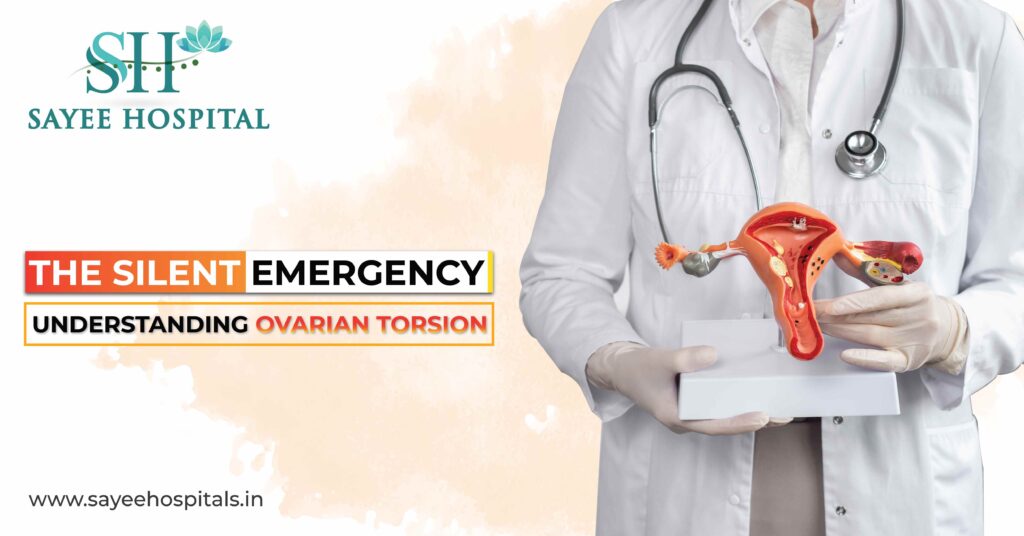
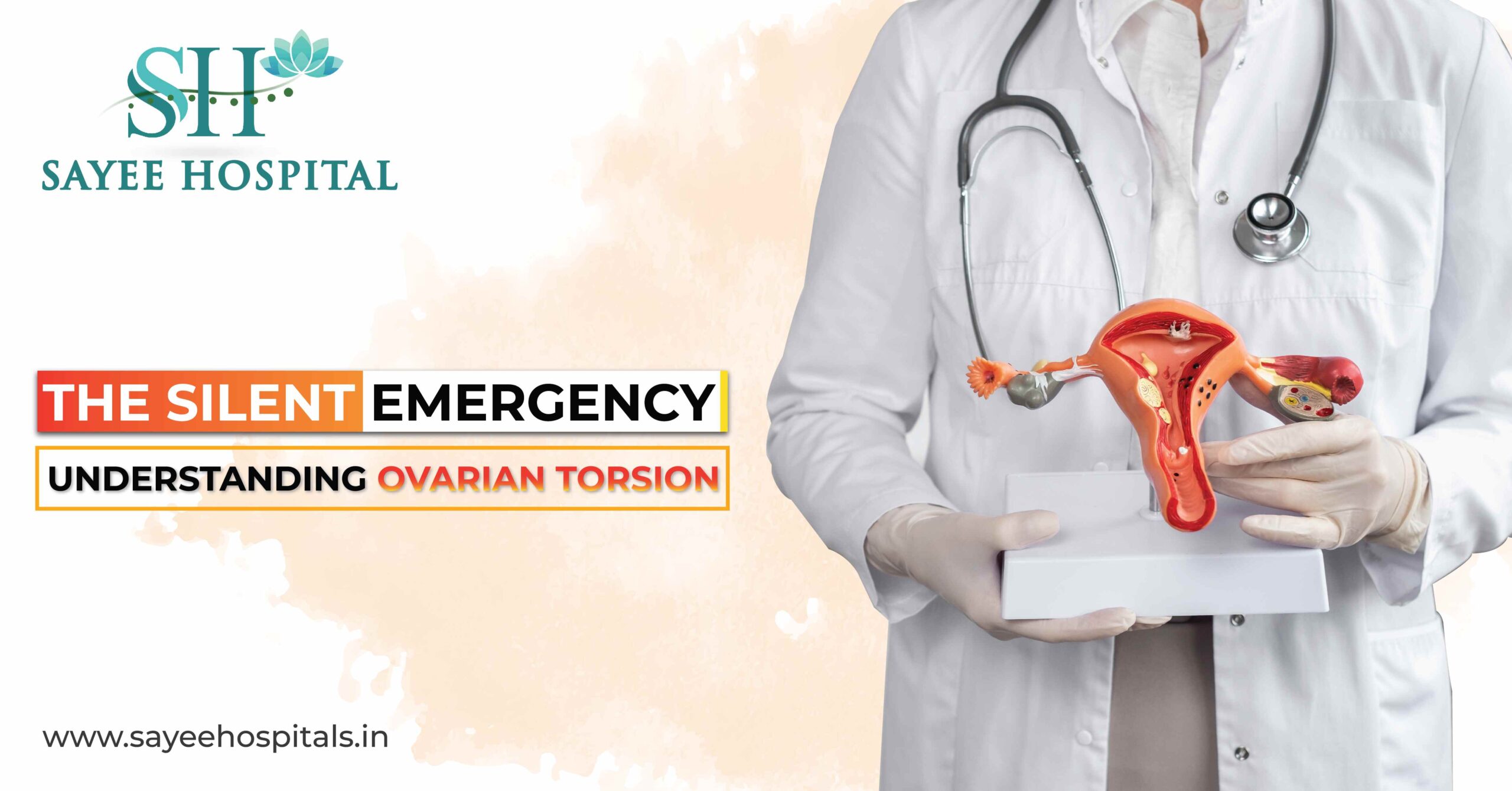
Your ovaries aren’t free-floating, they’re held in position by a set of ligaments that keep everything anchored within the pelvic cavity. Think of it like a suspension system. When ovarian torsion occurs, one ovary rotates around those ligaments, essentially twisting itself. That twist clamps down on the blood vessels feeding the ovary, the arteries and veins that keep the tissue alive.
Once blood flow is cut off, you’re on a clock. The ovarian tissue starts to starve. Without oxygenated blood reaching it, ischemia sets in, and if the torsion isn’t surgically corrected in time, that tissue dies, a process called necrosis. At that point, the ovary typically can’t be saved. Surgeons estimate the window between symptom onset and permanent organ loss can be as short as six hours in severe cases. Sometimes less.
That’s not a lot of time to second-guess yourself.
The Pain and Why It’s So Easy to Dismiss
The most recognisable sign is sudden, one-sided pelvic pain. Not gradual. Not a slow build. It hits fast, and when women describe it, they consistently reach for words like “stabbing,” “sharp,” or simply “the worst pain I’ve ever felt.” It usually settles on whichever side the affected ovary is on, but it can radiate, into the lower back, along the flank, sometimes down toward the inner thigh.
What catches a lot of people off guard is something called intermittent torsion, or torsion-detorsion. The ovary twists, then untwists on its own. The pain eases. And naturally, you think whatever was wrong has sorted itself out. But that’s not what’s happening, each episode is causing further damage, and the risk of a full, irreversible torsion climbs with each cycle. Feeling better for a few hours doesn’t mean you’re out of danger.
Alongside the pain, most women also experience nausea and vomiting, often severe enough to be mistaken for food poisoning or a stomach bug. Fever and abnormal bleeding can appear in later stages, once tissue breakdown has already begun. If you’re ticking more than one of these boxes at once, please don’t wait it out at home.
Who Gets Ovarian Torsion and Why
Technically, it can happen at any age. There are documented cases in young girls and in postmenopausal women. But the large majority of cases occur in women between roughly 20 and 40, the reproductive years and there are a handful of factors that meaningfully raise the risk.
The biggest one is an ovarian cyst or mass. When a cyst grows beyond about 5 centimetres, it throws off the balance of the ovary. That extra, asymmetric weight makes the ovary unstable more likely to flip, more likely to twist. Dermoid cysts come up frequently in torsion cases, partly because they tend to grow large and are denser than other cyst types.
Pregnancy creates its own particular risk. The hormonal shifts of early pregnancy loosen the ligaments that normally keep the ovary stable, while corpus luteum cysts, which are a normal part of early pregnancy, add the kind of weight that tips things toward torsion. It’s a frustrating combination of factors that come together at exactly the wrong time.
Women going through IVF or other ovarian stimulation protocols are also in a higher-risk category. When the ovaries are stimulated to produce multiple follicles, they can enlarge significantly. Ovarian hyperstimulation syndrome, or OHSS, is a well-recognised complication of fertility treatment and enlarged, hyperstimulated ovaries are considerably more prone to torsion. If you’re mid-cycle on a stimulation protocol, knowing the warning signs isn’t optional.
One more thing worth noting: if you’ve had ovarian torsion before, your remaining ovary carries an elevated risk. It’s not a guarantee, but it’s a reason to stay alert.
Getting a Diagnosis and Why Imaging Isn’t Always Enough
When torsion is suspected in an emergency setting, a transvaginal ultrasound with Doppler imaging is usually the starting point. Doppler lets clinicians assess blood flow to the ovary and absent or reduced flow is a strong indicator of torsion. But here’s the catch: normal blood flow on Doppler doesn’t rule it out. Torsion-detorsion cases can show intermittent, preserved flow and still be causing serious damage. Imaging alone has its limits.
MRI can offer more detail, the “whirlpool sign,” a twisted vascular pedicle, is a telling feature, but in an acute emergency, there often isn’t time for it.
Diagnostic laparoscopy remains the definitive answer. A small incision, a camera, and the surgeon can see exactly what’s happening. More importantly, they can act on it immediately. If torsion is confirmed, the ovary is manually untwisted, detorsion to restore circulation. Even if the ovary looks discoloured or dusky at the time of surgery, most gynaecologists will still attempt to save it. Appearances can be deceiving; many ovaries that looked non-viable in theatre have gone on to recover fully.
If a cyst caused the problem, it’s typically removed in the same procedure. In recurrent cases, oophoropexy, surgically anchoring the ovary, may be considered to reduce the chance of it happening again.
The Honest Truth About Prevention
There’s no way to prevent ovarian torsion entirely. No pill, no diet, no exercise routine changes the underlying mechanics. What you can control is your response to symptoms.
Women with known cysts should have a conversation with their gynaecologist about monitoring frequency and what to watch for. Women undergoing fertility treatment deserve a clear briefing on torsion symptoms before stimulation begins, not buried in a leaflet, but actually discussed.
And for everyone else: sudden, severe, one-sided pelvic pain is not something to sleep off. Go in. Mention ovarian torsion by name. Push for imaging. You know your body, and if something feels genuinely wrong, you’re probably right.